Biotechnology news
Plasticell wins £1.3m funding for cord blood stem cell manufacturing
project
Innovate UK has awarded a grant of £1.3m to a
research consortium led by Plasticell for a project to expand cord
blood stem cell production using the company's technology. 10 Feb
2015
Biomedical engineer Dr Robert Langer wins Queen Elizabeth Prize for
Engineering
Dr Robert Langer, a David H. Koch Institute
Professor in the Department of Chemical Engineering at MIT, has been
awarded the Queen Elizabeth Prize for Engineering. 3 Feb 2015
Inflammatory bowel disease associated with viruses in gut
Inflammatory bowel diseases are associated with greater variety of
viruses in the gut, according to a study led by Washington
University School of Medicine in St Louis, USA. 3 Feb 2015
First map of all known proteins in human body is goldmine for drug
discovery
The Human Protein Atlas is an open source
interactive map showing all the known proteins in the human body and
how they are distributed in tissues and organs. 28 Jan 2015
Bone repair technology
reconstructs Irish racehorse jaw
An Irish racehorse
successfully returned to racing after jaw reconstruction using a new
bone repair material made from collagen and hydroxyapatite developed
by the Advanced Materials and BioEngineering Research Centre (AMBER)
in Dublin. 23 Jan 2015
Optical sensor measures blood glucose
through skin
Swiss research institute Empa and University Hospital
Zurich have developed an optical sensor that measures blood sugar levels
through the skin, without taking any blood. 23 Jan 2015
European research initiative
to test novel treatments for Alzheimer's disease
The EPAD
project has announced the start of a novel collaboration between 35
academic and private sector partners from Europe and the US to test
innovative treatments for the prevention of Alzheimer’s dementia.
22 Jan 2015
Gecko Biomedical receives €1.3m from
Bpifrance to develop surgical adhesives
Paris-based Gecko Biomedical
has announced it has received a €1.3 million loan from Bpifrance to advance
development of its biodegradable surgical glues and patches for wound
closure. 21 Jan 2015
New light microscope gives faster 3D images of living organisms
A new type of light microscope can image living things at the
cellular level in 3D at very high speeds and can capture both
cellular structure and function and behaviour. 20 Jan 2015
Lifespan extended by 50% by
activating gene that kills unhealthy cells
Research at the
University of Bern has has found a way to considerably prolong lifespan,
but only in fruit flies so far, by activating a gene which destroys
unhealthy cells. 19 Jan 2015
Small intestine tissue grown from
human stem cells
Small intestine tissue grown from human
cells by researchers at Children’s Hospital Los Angeles shows key
aspects of a functioning human intestine. 16 Jan 2015
Eleven NHS genomics medicine
centres chosen for 100,000 genomes project
NHS England has
chosen the first eleven Genomic Medicine Centres across the country
to lead the way in delivering the 100,000 Genomes Project. 16 Jan
2015
Rare disease genes of 1000 children
analysed in UK project
Genes of the first 1000 children have been
analysed for rare disorders by the Deciphering Developmental Disorders
programme and diagnoses found for a third. 16 Jan 2015
France Biotech report highlights lack
of support for French life sciences industry
France Biotech,
an association of entrepreneurs in the life sciences industry has
published its annual survey, Panorama of the Life Sciences,
which outlines the industry's major trends for 2013 and 2014 in
France and worldwide. 16 Jan 2015
New nicotine vaccine gives
more effective immune response
A team at The Scripps Research
Institute (TSRI) has designed a nicotine vaccine that elicits an
effective immune response by using the 'left-handed' version of a
molecule of a nicotine derivative. 14 Jan 2015
Genetic analysis finds Ugandan
whipworm parasite has three distinct groups
A gastrointestinal worm
that infects primates and humans in Western Uganda and thought to be one
species has been found to be three distinct genetic groups. 14 Jan 2015
Oxford University starts trial
of new Ebola vaccine
Oxford University has started a clinical
trial of an experimental preventative Ebola vaccine regimen. The
Oxford Vaccine Group, part of the University of Oxford Department of
Paediatrics, aims to have vaccinated 72 healthy adult volunteers by
the end of January. 7 Jan 2015
Screening of existing drugs
finds 53 that may prevent Ebola virus infection
A study led
by researchers at the Icahn School of Medicine at Mount Sinai and
the US National Institutes of Health (NIH) has found 53 drugs
approved for other uses that may keep the Ebola virus from entering
human cells, a key step in the process of infection. 6 Jan 2015
Bone therapeutics wins €1
million funding to develop bone cell matrix product
Belgian
company Bone Therapeutics has received €1 million funding from the
government of the Walloon Region to finance a new research project
to investigate novel combined osteoblastic cell-matrix products for
the treatment of large bone defects. 6 Jan 2015
Experimental drug helped cure
doctor who contracted Ebola in Sierra Leone
A doctor who
caught Ebola while in charge of a treatment unit in Lakka, Sierra
Leone was treated with an experimental drug called FX06 along with
other intensive care and recovered. 5 Jan 2015
'Deep-learning' computer system predicts genetic causes of diseases
University of Toronto researchers have developed the first method
for ranking genetic mutations based on how living cells read DNA,
calculating how likely a mutation is to cause disease. 5 Jan 2015
ZoBio and Domainex partner to support
FORMA Therapeutics’ drug discovery programs
Dutch company
ZoBio and Cambridge-based Domainex Ltd have announced a
collaboration with US company FORMA Therapeutics to provide
NMR-based structural biology services for a substantial panel of
FORMA drug targets. 15 Dec 2014
Swedish life sciences cluster visits
Life Sciences Hub Wales
Medicon Village, a Swedish cluster
for life sciences, visited Wales’ new centre for life sciences
earlier this month. The visit builds on a relationship which began
18 months ago when Life Sciences Hub Wales was chosen as Medicon
Village’s first partnering 'twin'. 15 Dec 2014
Portable blood analyser
detects Ebola virus in 75 minutes
STMicroelectronics and
Clonit, in collaboration with Italy’s National Institute for
Infectious Diseases Lazzaro Spallanzani, have developed in a few
weeks a prototype portable analyzer able to identify the presence of
the Ebola virus in less than 75 minutes. 12 Dec 2014
Magnetic nanoparticles
stimulate stem cells to regenerate bone
Magnetic
nanoparticles coated with targeting proteins can stimulate stem
cells to regenerate bone, according to research by Keele University
and Nottingham University. 3 Dec 2014
World's first artificial enzymes
created using synthetic DNA-like molecules
Scientists at the
UK Medical Research Council (MRC) have created the world’s first
enzymes made from artificial genes. Their synthetic enzymes, which
do not occur anywhere in nature, are capable of triggering chemical
reactions in the lab. 2 Dec 2014
New strain of Ebola found in
the Congo
An outbreak of haemorrhagic fever in the Democratic
Republic of the Congo (DRC) in August has been verified as Ebola but
a different strain from that in the more well known outbreaks in
west African countries, according to an international study. 18 Nov
2014
Technologies for advanced
liver disease monitoring allow patients to stay at home
The EC-funded D-Liver project has developed a remote
support system for patients with advanced liver disease to monitor
their condition at home and save regular trips to hospital for tests
and appointments with consultants. 17 Nov 2014
VascuBone project develops toolbox for personalised bone
regeneration
The EU-funded VascuBone project has developed a "toolbox" that
doctors can select from to regenerate bone for three types of bone
defects. The tool
box includes a variety of biocompatible biomaterials and cell types,
FDA-approved growth factors, material modification technologies,
simulation and analytical tools such as molecular-imaging-based in
vivo diagnostics. (includes video) 17 Nov 2014
Auspherix secures AU$1m
funding to advance novel antibiotics pipeline
Sydney-based
Auspherix Pty Ltd has secured a further AU$1 million in a series A
financing from Australia’s Medical Research Commercialisation Fund
(MRCF). 4 Nov 2014
FIND and QuantuMDx partner to develop
rapid genome-based diagnostics for tuberculosis
Swiss NGO FIND
is joining forces with UK diagnostics developer QuantuMDx Group to
develop a combined solution for the rapid detection of tuberculosis
and determination of drug resistance.
High intensity ultrasound
creates cellular scaffold for regenerating diseased tissue
Researchers at the University of Washington have discovered that
ultrasound can both destroy cells and leave behind a cellular
scaffolding for tissue engineering, a unique approach that could
advance regenerative medicine. 30 Oct 2014
New method for creating biological sensors on silicon chips
Scientists from Chile and Germany
have developed a novel process to layer two readily available
chemicals on a silicon
substrate to mimic a cell membrane and give the ability to link
biological processes to electronics. 30 Oct 2014
Diverse gut bacteria linked to reduced
risk of breast cancer
Postmenopausal women with diverse gut bacteria
have a reduced risk of breast cancer through having a more favourable ratio
of oestrogen metabolites, according to a study published in the Journal of
Clinical Endocrinology & Metabolism (JCEM). 30 Oct 2014
Orgenesis receives patent for
potential cure for type 1 diabetes
Orgenesis Inc. has
announced that it has received a patent for its technology for
converting liver cells to pancreas cells as a potential cure for
Type 1 Diabetes. 29 Oct 2014
Plant flavanols reverse
age-related memory decline
Dietary flavanols, a range of
compounds found in certain plants such as cocoa seeds, can reverse
age-related memory decline in healthy older adults, according to a
study led by Columbia University Medical Center (CUMC). 27 Oct 2014
Drug discovery system for cancer is
failing patients, says leading expert
The development of new
drugs and treatments for cancer has failed to keep up with advances
in knowledge because the system is broken, according to Professor
Paul Workman, Interim Chief Executive of The Institute of Cancer
Research. 28 Oct 2014
EU project to test if blood
from Ebola survivors can provide antibodies for treatment
An
international research consortium led by the Institute of Tropical
Medicine in Antwerp (ITM) will assess whether treatment with
antibodies from the blood of Ebola survivors could help infected
patients to fight off the disease. 24 Oct 2014
UK invests £230m in stratified
medicine, genomics and dementia research
The UK government has
announced that a partnership led by the Medical Research Council (MRC) will
invest over £230 million in 23 medical research centres around the UK to
develop new technology for identifying the causes of diseases. 24 Oct 2014
Scripps scientists create
cholesterol-like molecule that reduces artherosclerosis
Scientists at The Scripps Research Institute (TSRI) in the US have
synthesised a molecule that mimics high-density cholesterol and
shown it can reduce plaque build-up in arteries even when taken
orally. 15 Oct 2014
Auspherix and Domainex collaborate to
combat drug-resistant bacteria
Cambridge-based Domainex Ltd
and University of Technology Sydney spinout Auspherix Pty Ltd have
announced a collaboration that will develop Auspherix’s novel
anti-infective drug discovery programme towards the nomination of a
clinical candidate. 15 Oct 2014
LoneStar receives CE mark for
hydrogel implant for heart-failure treatment
California-based LoneStar Heart, Inc. has announced that it has
received the CE Mark for its Algisyl-LVR hydrogel implant, the
company’s lead product for the treatment of advanced heart failure.
14 Oct 2014
New Oncology and Gustave Roussy
collaborate on genetic testing of tumours
Cologne-based cancer
diagnostics developer New Oncology has announced that it has entered into a
collaboration agreement with Gustave Roussy Cancer Campus, a research
institute based in Paris. 14 Oct 2014
Replikins Global Surveillance System claims current Ebola outbreak
could have been predicted two years ago by monitoring genomic
changes in the virus 9 Oct 2014
Novartis announces collaboration to
evaluate Bristol-Myers Squibb's novel immunotherapy drug
The
collaboration will evaluate the safety, tolerability and preliminary
efficacy of three molecularly targeted compounds in combination with
Bristol-Myers Squibb's investigational PD-1 immune checkpoint inhibitor,
Opdivo. 9 Oct 2014
Adaptimmune secures a further
US$104m investment for product development
Oxford-based
therapeutics company Adaptimmune Limited, has announced the
completion of a US$104m series A financing round to advance its
programmes for multiple cancer indications into the clinic. 9 Oct
2014
Paris Public Hospitals Group and
Magnisense partner to develop tests for cardiovascular diseases
French hospital group AP-HP, (Assistance Publique-Hôpitaux de Paris), and
diagnostics technology developer Magnisense have signed a partnership
agreement to develop rapid portable diagnostic tests for cardiovascular
diseases. 9 Oct 2014
Nobel prize for chemistry awarded to inventors of nanoscale optical
microscope
The Nobel Prize in Chemistry 2014 has been awarded jointly to
Eric Betzig, of the Howard Hughes Medical Institute, USA; Stefan W.
Hell of the
Max Planck Institute for Biophysical Chemistry and the German Cancer
Research Center; and William E. Moerner of Stanford
University, USA.
Scientists at UCL and NTNU awarded
Nobel Prize for discovering brain's positioning system
The 2014 Nobel Prize in Physiology or Medicine has been awarded
to Professor John O’Keefe of University College London and
husband-and-wife team Professors May-Britt Moser and Edvard Moser of
the Norwegian University of Science and Technology. 6 Oct 2014
Massively parallel approach to
stem cell culture will accelerate research
Plasticell has
announced the publication of research on the company’s high
throughput 'Combinatorial Cell Culture' (CombiCult) technology that
allows a single scientist to carry out 10,000 stem cell experiments
in parallel. 6 Oct 2014
UCL awarded £15m to train
bioscience PhDs
The UK Biotechnology and Biological Sciences
Research Council (BBSRC)has awarded University College London (UCL)
£15m to support thirty PhD studentships annually for the next five
years in ... . 6 Oct 2014
Specific molecular structure indicates
if a drug is likely to be safe for clinical use
A test developed at
the University of Manchester helps determine which drugs are unlikely
to work because of their molecular structure. This is likely to greatly
speed up the time it takes to make safe and effective medicines available
and reduce costs of drug discovery. 6 Oct 2014
Stem cells discovered in layer
behind cornea could treat blindness
Scientists at the
University of Southampton have discovered that a region at the front
of the eye harbours special stem cells that could treat degenerative
retinal diseases. 2 Oct 2014
AstraZeneca and Cancer Research UK
establish Cambridge lab to develop cancer drugs
MedImmune,
the global biologics research and development arm of AstraZeneca and
Cancer Research UK, with its commercial arm, Cancer Research
Technology (CRT), are establishing a joint laboratory in Cambridge,
UK to study novel biologic cancer treatments. 26 Sept 2014
University of Pittsburgh awarded $5.8m
to develop 3D microfluidic model of the liver
The University
of Pittsburgh School of Medicine has won $5.8 million grant from the
National Institutes of Health (NIH) to further develop a
microfluidic 3D model system that mimics the structure and function
of the liver. 26 Sept 2014
QuantuMDx announces prototype
handheld lab for rapid DNA diagnostics
Newcastle-based
medical device developers QuantuMDx Group has announced the
successful production of their first fully-integrated
sample-to-result working prototype of Q-POC, a handheld lab that
delivers DNA-based medical diagnosis in minutes. 11 Sep 2014
Sugar in diet depletes good
cholesterol
Scientists at the University of Warwick have
discovered that the ‘good’ form of cholesterol, HDL, is degraded by
a sugar-derived substance in the body. 8 Sept 2014
Nose cartilage cells can repair knee cartilage damage
Cells taken from the nasal septum are able to adapt to the
environment of the knee joint and can thus repair articular
cartilage defects, according to researchers at the University and
the University Hospital of Basel. 29 Aug 2014
Primerdesign announces lowest
cost DNA analytics device for health, veterinary, food and biothreat
testing
Southampton University spinoff Primerdesign Ltd has
announced the launch of what it claims is the world’s most
affordable device for DNA diagnostics. The genesig q16 uses
real-time PCR analysis to test DNA using a range of over 400 testing
kits
Genetically modified bacteria
safely kill cancer cells when injected directly
A modified version of the
soil bacterium Clostridium novyi can produce a strong and precisely targeted anti-tumour
response in rats, dogs and humans when injected directly, according to a new report
from Johns Hopkins Kimmel Cancer Center in the US. 26 Aug 2014
Type-1 and type-2 diabetes are
caused by the same hormone malfunction
New evidence from
research at at the Universities of Manchester and Auckland shows
that juvenile-onset or type-1 diabetes and type-2 diabetes are both
caused by the formation of toxic clumps of a hormone called amylin.
22 Aug 2014
Genetic analysis of Candida
glabrata shows new genetic sources of drug tolerance
The Max
F. Perutz Laboratories in Vienna has coordinated a genetic study of
Candida glabrata that has discovered 28 new genes that are
partly responsible for the yeast's tolerance of common drugs. 20 Aug
2014
Old drug restores hair in alopecia areata patients
Researchers at Columbia University Medical Center (CUMC) have
tested a drug that has eliminated the immune cells attacking hair
follicles and restored hair growth in a small number of patients. 20
Aug 2014
Roche and Garvan Institute of
Medical Research partner to develop epigenomics technology
Roche and the Garvan Institute of
Medical Research in Australia are collaborating to develop new
technologies to
accurately analyze regions of the epigenome using DNA sequencing. 19
Aug 2014
Scripps labs studying the
structure of antibodies to Ebola virus
Laboratories at The Scripps Research Institute (TSRI) are
investigating antibodies to fight Ebola virus, including the three
experimental antibodies recently used to treat two American health care workers
infected with the virus. 13 Aug 2014
Leishmaniasis parasite protects the
fly that transmits it to humans
The Leishmania parasite,
which causes the human disease leishmaniasis, acts as a probiotic in
the insect that transmits it to humans, protecting them from
infection by bacteria. 13 Aug 2014
Genetic material of caries bacterium
obtained from ancient teeth
Spanish and Mexican researchers
sequencing genes of tooth bacterium going back to the Bronze Age
have found increased genetic change in recent times, coinciding with
dietary change linked to the expansion of humanity. 13 Aug 2014
Inova chooses Avere storage
system for managing the world’s largest genome sequence database
Avere Systems has announced that the Inova Translational Medicine
Institute (ITMI) has chosen Avere's hybrid cloud storage systems for
the world’s largest, centralised repository of whole genome sequence
data. 12 Aug 2014
Bacteriophages could be new
tool to fight C. diff infections in hospitals
A
class of viruses called bacteriophages can infect and destroy the
bacterium Clostridium difficile, according to research at
the European Molecular Biology Laboratory (EMBL) in Hamburg,
Germany, and published in PLOS Pathogens. 4 Aug 2014
Gut bacteria give accurate diagnosis
of liver cirrhosis
Scientists from the French National
Institute for Agricultural Research (INRA) in collaboration with a Chinese
team found that the gut microbiota of individuals with liver cirrhosis
differ notably from healthy individuals and have a high proportion bacteria
common in the mouth. 4 Aug 2014
Wales gets world class life
sciences business development centre
The Life Sciences Hub
Wales was officially opened by Welsh Minister for Economy, Science
and Transport, Edwina Hart on 17 July. The aim of the Hub, which is
located in the Cardiff Bay area, is to create a vibrant life
sciences ecosystem. 22 Jul 2014
Symbiosis between gut bacteria
and immune system is key to health
The link between gut flora
and immunity to diseases is more complex than the general view,
according to research at the RIKEN Center. The immune system itself
plays a vital role in maintaining a healthy gut flora, not just the
other way round. 22 July 2014
New technique tests heart drugs on live
beating heart tissue samples
A researcher at Coventry University has developed a new way to
test the effect of drugs on the heart by using samples of heart tissue
stimulated to beat by electrical impulses. 21 Jul 2014
Miniature kidney dialysis
machine can properly treat newborns for the first time
Italian scientists have developed a miniaturised kidney dialysis
machine capable of treating the smallest babies, and have for the
first time used it to safely treat a newborn baby with multiple
organ failure. 14 Jul 2014
Decoding of tsetse fly genome opens way to new controls
An international research team
from 78 research institutes in 18 countries, has published the DNA sequence of the tsetse
fly, the carrier of the sleeping sickness parasite, following a
10-year project. 14 Jul 2014
Plasmonic biosensors make
highly sensitive diagnostic devices
A new type of
highly-sensitive and low-cost sensor, called a plasmonic biosensor,
could detect a range of biomarkers that diagnose diseases at an
early stage. 8 Jul 2014
Synthetic Biologics and
Enterome Bioscience to study impact of beta-lactam antibiotics on
intestinal bacteria
Antibiotics developer Synthetic Biologics
and gut microbiome specialist Enterome Bioscience SA will
collaborate in genomic research on the effects of beta-lactam
antibiotics on the gastrointestinal microflora of human patients. 11
Jun 2014
Exercise boosts diversity of
gut bacteria
Exercise boosts the diversity of the bacteria
found in the gut, according to a study of professional rugby players
published online in the journal Gut. 11 Jun 2014
Clearbridge BioMedics launches
device that isolates circulating tumour cells from blood
Clearbridge BioMedics has launched a new cancer diagnostic device,
the ClearCell FX System, which is able to isolate and capture
circulating tumour cells (CTCs) from a blood sample.
Adaptimmune announces partnership with
GSK for cell-based cancer therapies
Adaptimmune Limited has announced
a multi-million dollar strategic collaboration and licensing agreement with
GlaxoSmithKline (GSK) for the development and commercialisation of its lead
clinical cancer programme. 5 Jun 2014
microRNAs play critical role
in healing intestinal wounds caused by chronic bowel diseases
A microRNA cluster believed to be important for suppressing colon
cancer, plays a critical role in wound healing in the intestine,
according to research at UT Southwestern Medical Center in the US.
28 May 2014
Mayo Clinic launches 50-gene
cancer panel test for more targeted chemotherapy
The Mayo
Clinic in Minnesota, US, has launched CANCP, a new gene panel cancer
test to help tailor chemotherapy to the individual patient based on
the unique genomic signature of the patient’s tumour. 21 May 2014
Jellagen wins £550,000
investment to produce medical grade collagen
Jellagen Pty Ltd
has announced a £550,000 equity investment led by Finance Wales with
co-investment by six members of xénos, the Wales Business Angel
Network and SWAIN. 21 May 2014
Enterome raises further €10
million funding for genotyping technology
Enterome Bioscience
SA has raised €10m in the first tranche of a Series B fund raising
to develop disease management solutions based on the gut microbiome.
2 May 2014
New vulnerability found in HIV virus gives potential for new vaccine
A new vulnerable site on the HIV virus that doesn't mutate or vary
between strains has been identified by a team led by scientists at
The Scripps Research Institute (TSRI) working with the International
AIDS Vaccine Initiative (IAVI). 24 Apr 2014
New method to keep leukaemia
stem cells in culture will help drug discovery
Two new
chemical compounds that can keep alive cultures of leukemic stem
cells have been discovered by a team from Université de Montréal and
Maisonneuve-Rosemont Hospital in Quebec, Canada. 15 April 2014
Nottingham University develops
hydrogel for growing heart tissue from stem cells
A multidisciplinary
team at Nottingham University has developed a new hydrogel that could
simplify the production of stem cells and their differentiation into
specific tissues for use in regenerative medicine. 15 April 2014
Nerve protein in blood shows
extent of brain damage following concussion
Elevated blood
levels of tau, a nerve cell protein, indicates the extent of brain
damage from concussion, according to research at Sahlgrenska Academy
in Sweden. 1 April 2014
Adaptimmune awarded £2.1m for
T cell cancer therapy development
Adaptimmune has been
awarded a grant of £2.1 million from the UK Biomedical Catalyst Fund
for the development of its second engineered T cell therapy
programme into the clinic in triple negative breast cancer. 28 Mar
2014
Novel technique identifies breast cancer tissue using non-coding RNA markers
The presence of
small non-coding sections of the nucleic acid RNA in breast tissue
can be used to predict if individuals have breast cancer, according
to new findings by the Cancer Genome Atlas project. 6 Mar 2014
Newly discovered hormone released
after exercise could indicate biological age
Scientists from Aston
University (UK) have discovered a potential molecular link between Irisin, a
recently identified hormone released from muscle after exercise, and the
ageing process. 6 Mar 2014
Novartis calls for more
research into rare diseases
In recognition of Rare Disease
Day Novartis has called for a global exchange of ideas to improve
the understanding of rare diseases and help address a significant
unmet medical need. 28 Feb 2014
Genetic analysis of plaque on 1000-year-old teeth gives clues to
ancient diet and disease
An international team of researchers has painstakingly pieced
together genetic fragments preserved in the dental plaque of
skeletons around 1,000 years old, indicating the bacteria present
and food eaten by the person. 24 Feb 2014
Genetic analysis of
1500-year-old teeth gives clues to origins of the plague
Two
of the world’s most devastating plagues – the plague of Justinian in
the sixth century and the Black Death — were caused by
distinct strains of the same pathogen, according to a study of teeth
from a Bavarian burial site. 24 Feb 2014
Roche HIV-1 dual genetic test given EU
approval
Roche has announced that its dual-target HIV-1 qualitative
test, v2.0 has received the CE Mark certifications, allowing it to be sold
for clinical use in the EU. 24 Feb 2014
Alere launches 15-minute
genetic test for influenza A and B in Europe
Point-of-care
diagnostics company Alere Inc. has launched in Europe the Alere i
Influenza A & B test, a molecular test that detects and
differentiate influenza A and B virus in less than 15 minutes. 20
Feb 2014
ValiRx granted European patent for
genetic-based cancer test
ValiRx Plc has been awarded patent approval
by the European Patent Office for its cancer screening test NAV3, which uses
a gene biomarker to detect specific cancers. 20 Feb 2014
DDT exposure linked to
Alzheimer's
A study by UT Southwestern Medical Center has
found that exposure to DDT may lead to Alzheimer’s disease later in
life. 19 Feb 2014
IMI launches new €22.7m project targeting systemic autoimmune diseases
The Innovative Medicines Initiative (IMI) has launched an new
research project, called PRECISESADS, to use innovative diagnostic technology to relate systemic
autoimmune disease (SAD) to detectable changes in individual
molecular signatures. 18 Feb 2014
Health hazards from
nanoparticles in common consumer products
Nanoparticles
composed of titanium, chromium, manganese, iron, nickel, copper and
zinc compounds that are used in many consumer products are toxic to
human cells. 14 Feb 2014
Ability to digest fibre
dependent on species of gut bacteria
Sweden's KTH Royal
Institute of Technology has recently discovered how our ability to
benefit from fibre is dependent on a group of bacteria called
Bacteroidetes to digest the complex carbohydrates in the fibre.
11 Feb 2014
Bone Therapeutics awarded €3.8
million research grant
Bone Therapeutics has been awarded a
share of a Marie Curie grant totalling €3.8 million to develop
bio-mimetic and bio-active materials. 6 Feb 2014
Synthelis raises €610,000 to
develop manufacturing services for membrane proteins
Synthelis, a company specializing in the production and
characterization of therapeutic targets and antigens, has secured
initial backing of €610,000 from a group of French investors. 6 Feb
2014
Stem cells grown on scaffold
of carbon nanotubes
Scientists from the University of Surrey
and the University of California have developed a developed a
technique to grow human stem cells on a scaffold of carbon nanotubes.
6 Feb 2014
Bubble trapped in graphene
enables unprecedented imaging of hydrated protein molecules
A tiny water bubble trapped between two layers of graphene provides
the key to taking nanoscale images of liquid samples in an electron
microscope. 5 Feb 2014
Beating heart muscle created from
embryonic stem cells
An international team led by the Icahn School of
Medicine at Mount Sinai in the US has generated cardiac muscle tissue from
human embryonic stem cells with remarkable similarities to native heart
muscle, including the ability to beat. 5 Feb 2014
Fruit flies can smell cancers
Researchers from the Universities of Konstanz and La Sapienza have
recorded the antennae of fruit flies detecting odours given off by
cancer cells and distinguishing different types of cancer. 3 Feb
2014
Mass spectrometry imaging can
transform tissue pathology analysis
A team from Imperial College
London has developed a method to analyse mass spectrometry data from a
tissue sample to create a detailed map of its chemical composition. 3 Feb
2014
Pre-clinical study shows
prebiotics affect brain chemistry
Prebiotic manufacturer
Clasado and the Department of Psychiatry, University of Oxford have
announced the results of pre-clinical research that demonstrates
prebiotics affect the relationship between the gut and the brain. 28
Jan 2014
Behaviour and function of
enteroviruses monitored using gold nanoparticles
Researchers
at the Nanoscience Center (NSC) of University of Jyväskylä in
Finland have developed a novel method to study enterovirus
structures and their functions by attaching gold nanoparticles to
the surface of viruses so they show up in imaging.
Dietary fibres protect the
lungs from asthma
Researchers at Lausanne University Hospital
have shown that fermentable fibres present in fruit and vegetables
start a chain reaction that enables the body to protect the lungs
from the inflammatory response in asthma. 10 Jan 2014
Low diversity of gut bacteria
in infants linked to higher risk of asthma
A study of
seven-year old children by Linköping University in Sweden has found
that those children with low diversity of gut flora when infants are
more likely to suffer from asthma at school age. 10 Jan 2014
Self assembling nanofibres made from
waste plastic make new antifungal agents
Researchers from IBM and the
Institute of Bioengineering and Nanotechnology (IBN) in Singapore have
converted common plastic materials like PET bottles into non-toxic and
biocompatible materials to treat hard-to-cure fungal infections. 2 Jan 2014
Lack of sleep causes brain damage
A new study from Uppsala University, Sweden, shows that one night of sleep
deprivation increases morning blood concentrations of chemicals derived from
brain tissue. 1 Jan 2014
Binge drinking may cause damage to DNA
A preliminary study carried out on university students in Mexico has found
that weekend alcohol consumption causes oxidative damage to cell membranes
and also produces signs of DNA damage in blood lymphocytic cells. 1 Jan 2014
Spanish researchers design
molecule that stops AIDS virus replicating
A
multidisciplinary team of scientists from Spanish universities and
research centres has designed small synthetic molecules capable of
attaching to the genetic material of the AIDS virus and blocking its
replication. 23 Dec 2013
Hunt for RNA biomarkers for
prostate cancer and other diseases
The RIBOLUTION project in
Germany is developing a platform for the identification and
validation of RNA biomarkers for prostate cancer and selected
diseases based on genome-spanning screening. 19 Dec 2013
Proteins in circulating tumour cells
can predict response to chemotherapy
Scientists from the University of Granada have demonstrated, for
the first time, that the presence of specific proteins occurring in
circulating tumour cells (CTCs) in blood can predict with great
precision a patient's response to chemotherapy. 19 Dec 2013
New link between gut bacteria,
fibre and a fatty acid could be key to treating IBD
Gut
bacteria that digest dietary fibre produce a fatty acid that boosts
the immune system in the gut and prevents inflammation, according to
research at the RIKEN Center for Integrative Medical Sciences in
Japan. 4 Dec 2013
Genetic test helps optimise cancer
treatment
Testing a tumour for certain genes could help decide
whether the patient would benefit from receiving additional drugs with a
radiotherapy programme, according to a study by the Manchester Cancer
Research Centre. 4 Dec 2013
Taking vitamin E, C and other
antioxidants can do more harm than good
Research at the University of
Oslo shows that taking antioxidant supplements, including vitamins C and E,
can upset the body's inbuilt mechanism to handle stress and prevent damage
to DNA. They have also found a key to quadrupling lifespan, at least in
nematodes. 4 Dec 2013
Why does lack of sleep
increase risk of diabetes, heart disease and asthma?
University of Helsinki researchers have discovered new biological
links between sleep loss and the immune system. The results help
explain why sleep deprivation increases the risk of inflammatory
diseases such as cardiovascular disease, type 2 diabetes and asthma.
11 Nov 2013
New hope for blood test to
catch pancreatic cancer early
A simple blood test to detect
gene fragments unique to pancreatic cancer cells could be on the
horizon following promising results in a small preliminary study at
Johns Hopkins Medicine in the US. 11 Nov 2013
Rheumatoid arthritis linked to
specific bacteria in intestine
For the first time in humans,
a species of intestinal bacteria, Prevotella copri, has
been linked to the chronic inflammatory joint disease rheumatoid
arthritis. 8 Nov 2013
European project to develop
vaccine for Clostridium difficile
A three-year
project involving four European countries aims to develop an oral
vaccine against the common hospital infection C difficile.
8 Nov 2013
Laser treatment could cure Alzheimer's
Researchers at Chalmers University of Technology in Sweden and the Polish
Wroclaw University of Technology, have discovered a technique to distinguish
disease-causing proteins in the brain from normal proteins using lasers. 8
Nov 2013
Immunocore achieves research milestone in GlaxoSmithKline
collaboration
Oxford-based Immunocore has announced the achievement of
the first cancer drug development milestone in its research and licensing agreement with GSK,
triggering a first payment. 7 Nov 2013
East Midlands pharma sector
regenerating following AstraZeneca research lab closure
The
pharmaceutical industry in the UK's East Midlands is seeing growth
in new businesses following AstraZeneca’s closure of its Charnwood
research labs, according to industry association Medilink East
Midlands. 31 Oct 2013
IBM develops microfluidic
probe to diagnose cancer in tissue samples
IBM scientists are collaborating with pathologists at the
University Hospital Zürich to test a prototype device called a
microfluidic probe for accurately diagnosing different types of
cancer. 28 Oct 2013
Advance in printing human
organs using inkjet printers
Scientists at the Fraunhofer
Institute for Interfacial Engineering and Biotechnology (IGB) in
Stuttgart have developed components of human tissue that can be used
as inks for inkjet printing of human organs. 28 Oct 2013
Poor sleep linked to higher levels of
Alzheimer's biomarker β-amyloid
Poor sleep quality in older
adults could affect the onset and progression of Alzheimer’s disease,
according to researchers at the Johns Hopkins Bloomberg School of Public
Health. 28 Oct 2013
Nanodiamonds monitor molecular
processes from inside cancer cells
The EU-funded project Dinamo aims
to develop a sensing platform for real-time monitoring of biomolecular
processes in living cancer cells using fluorescent diamond particles. 28 Oct
2013
High hormone levels could be
cause of breast cancer in BRCA gene carriers
Abnormal levels
of female hormones in the blood could be the trigger causing women
with the faulty genes BRCA 1 and BRCA 2 to develop breast cancer
instead of other cancers. 24 Oct 2013
Enterovirus associated with
type 1 diabetes identified — gives hope for vaccine
For the first time, researchers
have identified the types of enterovirus associated with type 1
diabetes. Two collaborating teams have published the findings of
their separate studies. 24 Oct 2013
Cold plasmas have multipronged
attack to destroy bacteria
Researchers at Ruhr-Universität
(RUB)in Germany have discovered how cold plasmas destroy bacteria at
both the cellular and molecular level, making them efficient
disinfectants. 18 Oct 2013
Breakthrough in developing new
antibiotic and vaccine for TB
A French-British team has discovered
that the tuberculosis bacterium can be prevented from growing by blocking a
protein that transports the amino acid aspartate into the bacteria cell. 18
Oct 2013
Aberdeen University looks for
breast cancer drug in shark blood
AICR, the Scottish cancer
research charity, has awarded biologists from the University of
Aberdeen £200,000 to test if an antibody found in shark blood can
inhibit the growth of cancer cells. 11 Oct 2013
Ibuprofen inhibits growth of
some cancers
Long-term use of Ibuprofen could give protection
against prostate cancer, some colon cancers and several other
cancers, according to research at the University of Bath. 2 October
2013
Interactions between genome
and skin bacteria influence inflammatory skin diseases
A
German research group has found that low numbers of some species of
skin bacteria are associated with certain inflammatory disorders and
that the bacteria are in turn affected by the genetic makeup of the
host. 30 Sept 2013
Body's own T cells identified
as potential source of universal flu vaccine
A virus-killing
immune cell, called CD8 T, is more numerous in the body of people
who avoid more serious bouts of flu, according to research at
Imperial College London, and could be the source of a new type of
vaccine. 23 Sept 2013
Skuldtech secures €1m to
develop blood biomarker test for Alzheimer's disease
French
biotechnology company Skuldtech has secured €1m in funding from
Bpifrance (French public financing structure) to develop a blood
biomarker test for Alzheimer's disease. 11 Sept 2013
Colour-changing dots detect blood-borne bacteria
A team at the University of Illinois has developed a cheap
disposable device containing a chemical sensing array (CSA) that can
rapidly identify bacteria from the signature chemicals that they
give off. 10 Sept 2013
Spermidine prevents dementia
in fruit flies
Feeding fruit flies with the natural cell
component spermidine prevents memory impairment, according to
research conducted by Freie Universität Berlin and the University of
Graz. 1 Sept 2013
World’s largest collection of
engineered human cell lines available for research
Austrian
biotechnology company Haplogen and the Center for Molecular Medicine
have announced that they are making available their large collection
of human cell lines that are deficient for single genes. 30 Aug 2013
Space and life sciences centre
established in Edinburgh Bioquarter
A new Centre of Excellence for
Space and Life Sciences to be based at the Edinburgh BioQuarter will create
a physical environment for innovation in the crossover between health and
space technologies. 30 Aug 2013
ValiRx wins €1.6m grant to
develop genetics-based cancer treatment
ValiRx plc and
consortium member Pharmatest Services have been awarded a €1.6
million Eurostars grant to progress the pre-clinical studies of its
novel product VAL101. 29 Aug 2013
Labelled gold nanoparticles
hold key to targeted stem cell therapy
Researchers at
Southampton and Cambridge Universities have developed a technique
using gold nanoprobes to identify different types of cells, so that
they can target the right ones in stem cell therapies. 28 Aug 2013
Call for action on
antimicrobial resistance
International leaders from the
pharmaceutical industry, academia, SMEs and the healthcare sector
met in May to look at why we are no closer to defusing the
antibiotic resistance “ticking-time bomb” than we were a decade ago.
21 Aug 2013
Abnormal ageing gene linked to
blood cancer
A variant of a gene that helps control ageing in
humans by acting as a cell’s internal clock has been linked to blood
cancer in a major new study by the Institute of Cancer Research
(ICR), London. 19 Aug 2013
New molecular probe for
real-time PCR monitoring and genetic testing
Eprobe is a
fluorescent probe for PCR DNA amplification techniques and DNA
analysis developed by researchers from RIKEN and Japanese firm
K.K.DNAForm. 13 Aug 2013
RNA test could detect
Alzheimer's disease
A new RNA-based blood test can
distinguish between people with Alzheimer's disease and healthy
controls. This type of test could be used to help diagnose the
disease and other degenerative disorders. 31 July 2013
Virus populations that attack human gut bacteria change rapidly
The viral population that preys on bacteria in the human gut can undergo
rapid change over short time periods, according to a new genetic study by
researchers from the Perelman School of Medicine. 31 July 2013
Tuberculosis DNA recovered from
215-year old mummy
Tuberculosis DNA has been extracted from
the lung tissue of a 215-year old Hungarian mummy by a team from the
UK, Hungary and Israel. 29 July 2013
Cancer cells can be destroyed by
blocking single protein
Research at Southampton University
has discovered a protein that is not necessary in normal cells but
is important to the survival of cancerous cells. 29 July 2013
Electrosurgical knife
instantly detects cancer during surgery
The iKnife is a
surgical knife that cuts flesh using electrical current and analyses
the vapour to detect characteristic chemicals of specific cancers
using a mass spectrometer. 18 July 2013
Link found between Crohn's
disease and RNA enterovirus
A study of a small group of
children in Sweden has found a new link between Crohn's disease and
an RNA virus that is known to infect the mucosal lining of the
intestine. 17 July 2013
Immunocore in deal with
Genentech to develop cell-specific cancer drugs
Immunocore
has entered into a research collaboration and licensing agreement
with Genentech for the discovery and development of multiple novel
cancer targets using Immunocore’s ImmTAC technology. 2 Jul 2013
New breast cancer test is better at diagnosing need for chemotherapy
A new genetic test can better determine the
likelihood of recurrence of a common form of breast cancer and help
decide on the need for chemotherapy. 2 July 2013
Antibiotic stimulates production of
itself across bacteria population
An antibiotic has been
found to stimulate its own production of itself in a soil bacterium
when nutrients become limited in a study at the John Innes Centre.
18 Jun 2013
Blood test for pregnant women
diagnoses Down's Syndrome in foetus
A non-invasive test that
analyzes foetal DNA in a pregnant woman’s blood can accurately
detect Down’s syndrome and other genetic foetal abnormalities in the
first trimester. 7 June 2013
Vitamin A plays protective role in
inflammatory bowel disease
Scientists at Trinity College Dublin have
discovered that Vitamin A can reduce the damaging immune responses that lead
to inflammatory bowel disease. 7 June 2013
Strathclyde-based chemical
manufacturing research centre receives £34.2m boost
The EPSRC
Centre for Innovative Manufacturing in Continuous Manufacturing and
Crystallisation (CMAC) in Strathclyde has received an £11.4 million
cash injection from the Higher Education Funding Council for England
(HEFCE), supported with £22.8 million industry and charity
contributions. 6 June 2013
HistoIndex chooses London BioScience
Innovation Centre as European base
Singapore-based medical imaging
company HistoIndex has become the 50th life science company in the London
BioScience Innovation Centre (LBIC). 6 June 2013
IMI NEWMEDS project to find new
treatments for schizophrenia and depression
The Innovative Medicines
Initiative (IMI) NEWMEDS project brings together seven academic research
institutions, nine major pharmaceutical companies and three SMEs to speed
the quest for schizophrenia and depression treatments. 6 June 2013
Junk DNA plays active role in cancer
A human gene sequence until recently considered ‘junk' could promote
cancer progression, according to research at the University of
Nottingham. 4 June 2013
Oral vaccine for diarrhoea
passes first trial
A novel vaccine against four strains of E.
coli has passed a phase I clinical trial, according to the
University of Gothenburg Vaccine Research Institute (GUVAX). 29 May
2013
Genome analysis poses ethical
dilemmas, says European Society of Human Genetics
The
provision of services that give patients cheap whole-genome analysis
can pose ethical problems if used incorrectly, says The European
Society of Human Genetics (ESHG). 22 May 2013
Aesica partners with the University of
Nottingham to develop novel amide chemical synthesis techniques
Aesica has announced a partnership to develop alternative
methods of amide bond synthesis for pharmaceutical manufacturing. 21
May 2013
BioCity to develop BioHub at
AstraZeneca's Alderley Park site
BioCity Nottingham Ltd, the
UK’s leading provider of life sciences business incubation services,
has been appointed by AstraZeneca to establish a new centre for
bioscience companies at Alderley Park in Cheshire. 21 May 2013
Low cost tuberculosis
diagnosis will help developing countries
A combination of
simple clinical, radiological and laboratory tools can diagnose
smear-negative tuberculosis (SN-TB) better than current systems of
diagnosis. 14 May 2013
Antifungal therapy could help 5
million asthmatics
A new estimate of the global numbers suffering
from allergic bronchopulmonary aspergillosis (ABPA) shows an
estimated 4.8 million asthmatics could benefit substantially from
antifungal treatment. 14 May 2013
Gamma ray imaging visualizes
bio-metals and molecules simultaneously
Researchers from the RIKEN
Center for Life Science Technologies in Japan have developed a new molecular
imaging technology that can visualize bio-metals and bio-molecules
simultaneously in a live mouse. 10 May 2013
Cell-free skin graft heals chronic leg
ulcers
A new type of skin graft produced by NHS Blood and Transplant
(NHSBT) Tissue Services has healed the chronic leg ulcers of more than half
of patients involved in the first trial. 10 May 2013
New type of fat cell
discovered
Humans have two kinds of brown fat cells according
to research at Sahlgrenska Academy in Sweden. The researchers call
the new type of brown fat tissue "classical brown fat". 8 May 2013
Personalising PSA test using
genetic tests could improve prostate cancer diagnosis
Testing
for genetic variants that can increase serum prostate specific
antigen (PSA) concentrations could avoid unnecessary biopsies for
some men and eliminate false complacency for others. 25 Apr 2013
New insight on brain cell
metabolism during onset of Alzheimer's
Researchers from
Karolinska Institutet in Sweden have shown, for the first time, how
important parts of the nerve cell that are involved in the cell’s
energy metabolism operate in the early stages of Alzheimer’s
disease. 23 April 2013
Common antihistamine could be
treatment for prion diseases
Scientists from the Scripps Research
Institute (TSRI) in Florida have identified a pair of drugs already
approved for human use that show anti-prion activity. 23 Apr 2013
NovAliX and Inventiva form strategic
alliance for nuclear receptor drug targets
Inventiva and
NovAliX announced that they have entered into a strategic alliance
dedicated to the discovery of clinical candidates, targeting nuclear
receptors. 22 Apr 2013
AstraZeneca outlines major
restructuring of R&D and strategy to return to growth
AstraZeneca has announced plans for to establish a new global R&D
centre and corporate headquarters in Cambridge in the UK by 2016.
The move is part of the company’s proposals to create strategic
global R&D centres in the UK, US and Sweden to improve pipeline
productivity and to establish it as a global leader in
biopharmaceutical innovation. 4 Apr 2013
InteRNA Technologies secures
additional equity financing for melanoma treatment
Utrecht-based
InteRNA Technologies B.V. has closed an equity financing round, with new
investors including the ‘Innovation & Investment Fund Gelderland’, managed
by PPM Oost and several business angels. 4 Apr 2013
Gene sequences associated with
breast and ovarian cancer identified
Three studies reported
in Plos Genetics and Nature Genetics have found new DNA sequences
associated with breast cancer and ovarian cancer. 28 Mar 2013
Horse DNA test for meat
products
Life Technologies has developed the RapidFinder
Equine ID Kit in conjunction with the Instituto de Medicina Genomica
(IMEGEN) that detects the presence of equine DNA extracted from meat
samples. 8 Mar 2013
Bone cells generated from stem cells
by manipulating growth surface structure
A new method to generate
bone cells could lead to revolutionary bone repair therapies for people with
bone fractures or those who need hip replacement surgery due to osteoporosis
and osteoarthritis. 8 March 2013
Breath analysis could measure
stress
A study by Loughborough University and Imperial
College London, has identified six chemical markers in the breath
that could be candidates for use as indicators of stress. 6 Mar 2013
European Spallation Source granted patent
for neutron detection technology
The European Spallation Source (ESS) in Lund, Sweden, has been
granted its first patent in collaboration with researchers at
Linköping University for new technology that will improve the
efficiency of its neutron detectors.
MRSA more virulent in space
Research on board the International Space Station (ISS) has found
that spaceflight culture increases the disease-causing potential
(virulence) of the foodborne pathogen Salmonella. 25 Feb 2013
Oxford Nanopore
announces further collaborations for nanopore sensing
technology
The company has completed agreements
with the University of Illinois, Brown University,
Stanford University, Boston University, University of
Cambridge and the University of Southampton. 13 Feb 2013
Curie-Cancer and GenoSplice
Technology in genomics informatics partnership
Curie-Cancer, part of Institut
Curie, and GenoSplice Technology have formed a partnership to combine their
expertise in genomics to develop new cancer treatments. 13 Feb 2013
Bolton University in €1.3m project to
produce artificial tendons
The University of Bolton has joined an international
consortium of universities that has secured €1.5 million of funding for
research into developing biomaterials for tendon regeneration. 13 Feb
2013
Plastic compound
provides foundation for bone regeneration
Edinburgh and Southampton Universities have developed a
plastic compound with sponge-like pores that can replace
damaged bone and allows the patient's own cells to grow
into and take over the material to form new bone. 8 Feb
2013
Provence Technologies launches €1.3m programme to develop ultra-pure
compounds
Provence Technologies has launched Screening 1000, a
research programme with the goal of discovering a new ultra-pure
molecule for the healthcare market. 8 Feb 2013
Sygnature Discovery
selected as partner in European drug discovery project
Nottingham-based Sygnature Discovery has been selected
to be an SME partner in the €196m European Lead Factory
project, which was launched today by an international
consortium of 30 partners. 7 Feb 2013
BioCity Scotland to
be UK hub for €196m European drug discovery project
A major new pharmaceutical drug discovery initiative,
the European Lead Factory, is to be centred at BioCity
Scotland in Lanarkshire, in partnership with the
University of Dundee. The project will bring at least
€19 million (£16.3 million) of research funding to
Scotland. 7 Feb 2013
Eczema in infants
linked to composition of gut bacteria
Infants
with eczema have a more diverse set of bacteria in their
guts and the types of
bacteria present are also more typical of adult gut microbes than
for those without eczema. 7 Feb 2013
Nurses at the
forefront of genomics in healthcare
A special
Genomics Issue of the Journal of Nursing Scholarship
addresses genetic applications that are essential to
advancing nursing knowledge and patient care. 5 Feb 2013
Personalised medicine
using genomics shows patients can stop taking drug
Genetic analysis of two children with an adrenal disease
has shown that they did not need to take one of the
drugs they had been taking for many years, saving costs
and reducing potential side effects. 4 Feb 2013
ESMO calls for caution over
current expectations of personalised medicine
The European Society for Medical Oncology (ESMO)
has issued a statement to dispel the myth that personalised
medicine is already a reality for all cancer types and all cancer
patients. 4 Feb 2012
Antimicrobial hydrogel breaks through MRSA film barrier and destroys cells
An antimicrobial hydrogel that can break through microbial
biofilms and completely eradicate drug-resistant bacteria upon contact
has been unveiled by IBM and the Singapore-based Institute of Bioengineering and
Nanotechnology. 25 Jan 2013
New alliance of academic research
centres to accelerate drug development
Six of the world’s top translational health research centres
have formed the Global Alliance of Leading Drug Discovery and
Development Centres. 23 Jan 2013
DMU and Ithaka in partnership to
market new technology for transporting CYP proteins
De
Montfort University is establishing a new company with Ithaka Life
Sciences, to market new technology designed for the transport of a
range of compounds important in drug discovery. 23 Jan 2013
Stem cells differ in ability to
differentiate
Isolated stem cells vary in their
characteristics for regenerative medicine and tissue engineering.
Only a specific group are useful for therapeutic purposes. 16 Jan
2013
Microscopic filter captures
cancer cells circulating in blood stream
The filter could
enable detection of tumour cells circulating in blood well before
they subsequently colonize organs and form tumours. 17 Dec 2012
LifeMap Sciences launches database of human cellular life for
regenerative medicine
The platform integrates embryonic
development and stem cell biology with molecular, cellular,
anatomical, and disease-related information, and provides
data-mining capabilities and bioinformatics applications. 14 Dec
2012
Genetics shows
Crohn's, colitis and other inflammatory diseases share common
biological pathways
Genetics shows IBD may result from the
body’s immune response over-reacting, the result of a long-term
evolutionary balancing act between defence against bacterial
infection and harmful excessive inflammation. 13 Dec 2012
New
biomaterials can promote regeneration of brain tissue after injury
and disease damage
This allows the generation, within these
structures, of new neurons and glia, capable of repairing injured
brain tissue caused by trauma, stroke or neurodegenerative disease,
among other causes. 3 Dec 2012
Genetically
engineered bacteria can commit suicide for good of population
Scientists at EMBO in Heidelberg have engineered bacteria that are
capable of sacrificing themselves in certain conditions where it
benefits the bacterial population. 26 Nov 2012
Q-Cancer
awarded £1.4m to develop QuantuMDx benchtop tumour profiler
The Q-CANCER project will integrate QuantuMDx Group’s rapid on-chip
lab processes and develop the first sub-20 minute tumour profiler.
23 Nov 2012
Tuberculosis
bacteria's defence mechanism discovered — opens way for new
treatment
A team of Flemish biologists have discovered that
the tuberculosis bacterium has an ingenious defence mechanism
against oxidation, the system used by the body to attack invading
bacteria. 22 Nov 2012
Handheld device can
detect diseases from tiny samples in minutes
The card-sized device,
which needs no power, lays the groundwork for early-stage point-of-care
diagnosis of diseases such as cancers and Alzheimer's. 22 Nov 2012
Breakthrough in understanding
cell processes could lead to new medical treatments
Researchers at Tokyo Institute of Technology and the Weizmann
Institute of Science have identified a means of controlling
biological processes that could help treatments for immune disease,
neurological disorders and cancer. 22 Nov 2012
Blackpool hospitals use genetic
testing to reduce MRSA
Blackpool Teaching Hospitals NHS
Foundation Trust has introduced rapid screening for the superbug
MRSA of all emergency admissions patients, and both MRSA and MSSA
for surgical patients admitted through A&E. 22 Nov 2012
Royal Marsden and ICR open
groundbreaking Centre for Molecular Pathology
Scientists will be
able to monitor whether new-generation cancer drugs are successful to an
unprecedented degree of detail following the opening of a new world-class
research facility. 21 Nov 2012
SpinChip microfluidics
device analyses blood at the point of care
Norwegian company SpinChip
has developed a microfluidics-based chip contained in a portable device that
analyses blood samples at the point of care and provides immediate results.
14 Nov 2012
Abnormal gene found to be cause of
rare childhood leukemia
An international team has identified a fusion
gene responsible for almost 30% of a rare subtype of childhood leukemia with
an extremely poor survival rate. 14 Nov 2012
Novel treatment for
epilepsy based on viral vectors and cell transplants
The EU-funded
EPIXCHANGE project aims to develop treatments for epilepsy by using viruses
to infect brain cells and by transplanting cells into the brain. 14 Nov 2012
DNA sequencing tracks
source of MRSA in hospital infection
A Cambridge-based team has used
advanced DNA sequencing technologies to confirm the presence of an ongoing
outbreak of MRSA at Addenbrooke's Hospital, Cambridge, in real time. 14 Nov
2012
Novasep to build world's largest
chromatography plant for pharmaceutical industry
Novasep is to invest
€30 million to build in Europe the world's largest chromatography plant used
for the production of a large volume commercial active pharmaceutical
ingredients. 18 Oct 2012
Non-coding antisense
RNA can be used to stimulate cellular protein production
While
studying Parkinson's disease, a research group has discovered that the
protein synthesis activity of coding genes can be enhanced by the activity
of the non-coding one called antisense. 18 October 2012
Functional thyroid tissue generated
from stem cells in mice
The discovery could allow the treatment of
patients who suffer from thyroid hormone deficiency due to defective
function, or abnormal development of the thyroid gland. 16 Oct 2012
New chemistry technique to synthesize
complex natural terpenes
Scientists at The Scripps
Research Institute have shown how to synthesize in the laboratory an
important set of natural compounds known as terpenes, the largest class of
chemicals made by living organisms and including compounds such as the
cancer drug Taxol and the antimalarial drug artemisinin.
Clinical trial of
weight loss using genetics-determined diet and lifestyle
Pathway
Genomics has announced a clinical trial with the Veterans Affairs San Diego
Healthcare System that will investigate if weight loss can be improved by
using genetic analysis to determine the most suitable individual diet and
exercise regime. 3 Oct 2012
Diabetes linked to
composition of intestinal flora
A study of the genetics of intestinal
flora in diabetics has found a characteristic mix of bacteria that could be
used for classifying type 2 diabetes. 27 Sept 2012
Biophytis awarded €1.5m to
combat sarcopenic obesity
Biophytis will use the funds for
its SARCOB project to develop nutritional products for preventing
and treating sarcopenic obesity. 26 Sept 2012
Cardiac cells generated from
stem cells using carbon nanotubes
The electrical stimulation
of carbon nanotubes can direct stem cells to form cardiac cells. The
technique could give the ability to repair damaged heart muscle,
which has little natural repair capacity. 19 Sept 2012
DNA tracking of TB outbreaks
could identify origin
Whole-genome sequencing of killer
diseases such as tuberculosis (TB) could reconstruct the spread from person to person
and quickly
identify the origin and movement of pathogens. 18 Sept 2012
Old antibiotic is new hope in fight against tuberculosis
Researchers at Ecole Polytechnique Federale de Lausanne
have discovered that the natural antibiotic pyridomycin, first reported
in the 1950s, can kill Mycobacterium tuberculosis by inhibiting a vital
enzyme. See video of the drug
in action. 18 Sept 2012
UK-developed growth hormone test is
new tool for sports anti-doping agencies
Scientists from three UK
universities have developed a new test to detect blood proteins that show
that an athlete has used growth hormone. 17 Sept 2012
Chemicals from Sea Squirt
could make smaller, greener computer chips
Scientists from
the Universities of Aberdeen and St Andrews have developed a method
to make components of a new type of computer chip using organic
chemicals from a sea squirt. 13 Sept 2012
Human genome could have
twice as many genes as first thought, says GENCODE
The
GENCODE Consortium, part of the ENCODE Project, made the conclusion
following a review of available data on gene activity. 13 Sept 2012
Life Technologies takes benchtop genome sequencer on tour
of UK in a
Mini
The company is taking a fully functional benchtop Personal
Genome Machine (PGM) DNA sequencer nestled in the boot of a Mini on a
tour of UK universities. 13 Sept 2012
No such think as 'junk' DNA in human
genome, ENCODE project discovers
An international project
studying the human genome has found that much of what has been
called ‘junk DNA’ in the human genome in fact plays an essential
role in gene activity. 10 Sept 2012
Bacteria in skin mites
targeted as cause of rosacea
The common dermatological
condition called rosacea could be triggered by bacteria in tiny
mites that live in the skin, according to research by the National
University of Ireland. 10 Sept 2012
Nanoparticle form of tea
polyphenols reverses antioxidant properties
When used
in bulk form, these polyphenols showed antioxidant responses, but
the nanoform at higher concentrations exhibited pro-oxidant effects.
10 Sept 2012
Artificial cell tissue grown with
embedded wiring opens way for 'cyborg' organisms
This is the first
time that electronics and artificial tissue have been truly merged in 3D,
allowing direct sensing and potentially stimulation of the tissue. 10 Sept
2012
Liverpool University pioneers use of
nanomedicines to treat HIV/AIDS
The University is leading a £1.65
million project to test the drugs made from nanoscale particles, which
could allow smaller doses. 5 Sep 2012
Novel mRNA blood test can
show which heart failure patients will benefit from ICD
A
novel blood test for changes in messenger RNA that predict sudden
death risk in heart failure patients is set to help physicians
decide which patients would benefit from implantable cardioverter
defibrillators (ICDs). 28 Aug 2012
University of Leicester
receives £7m donation for new biomarker facility
The donation from
the John and Lucille van Geest Foundation will help pave the way for a new
era of ‘personalised medicine’ enabling the University to create a facility
that is unique in the UK and that can compete globally. 21 Aug 2012
Effectiveness of
artificial tissue depends on cell shape and type of scaffold
The
finding could allow the development of even more effective implants and also
target many other diseases, including cancer. 14 Aug 2012
Cambridge University
awarded £8m to build stem cell research institute
The Cambridge Stem Cell Institute will advance understanding of
stem cells and their potential to treat a range of life-threatening
conditions that currently have no effective cures. 14 Aug 2012
Amino acid balance in the
gut plays critical role in intestinal inflammation
The ACE2
enzyme controls the amino acid balance in the gut, which in turn
plays a key role in the increased susceptibility to intestinal
inflammation in malnutrition. 8 Aug 2012
Structure of critical enzyme in flu
virus replication determined
The European Molecular Biology
Laboratory (EMBL) in Grenoble, France, has determined the detailed
3-dimensional structure of part of the flu virus’ RNA polymerase, an enzyme
that is crucial for replication. 8 Aug 2012
Skin has internal clock for
repair and regeneration
Human skin has an internal clock
responsible for the time-based steering of its repair and
regeneration, among other things, according to research published in
the Proceedings of the Academy of Science. 26 July 2012
Critical molecule for fighting E. coli infection identified
A new role has been discovered for a molecule
present in cells lining the surface of the lung and
intestine in protecting
the body from E. coli and Pneumococcus. 26 July 2012
MedMira wins $4.2m US army
contract to commercialize rapid test for HIV and hepatitis
MedMira will advance and commercialize a multiple rapid test that
will simultaneously detect HIV-1/2, Hepatitis B and C antibodies
within three minutes using just a small drop of blood. 23 July
2012
Jeffrey Epstein VI Foundation funds research on genetic link to
inflammatory bowel disease
The Foundation has given
substantial support to the Crohn's and Colitis Foundation of America
to continue its Genetic Initiative to find a cure for the diseases.
23 July 2012
Cellular Systems awarded TSB/ DEFRA research grants
Nottingham BioCity-based Cellular Systems has been awarded
grants for a poultry disease detection system and egg shell waste
product development. 18 July 2012
Calixar and Synthelis partner
to provide membrane protein services
Two French companies
specialising in membrane proteins, Calixar and Synthelis, have
entered into an alliance for the production and isolation of all
types of target membrane proteins. 17 July 2012
DNA methylation involved in development of rheumatoid arthritis
Epigenetic changes due to methylation of DNA are
involved in the progression of rheumatoid arthritis. 18 July 2012
Lysosomes play key role in development
of inflammatory diseases
A ‘constant cloud’ of potent inflammatory
molecules, controlled by lysosomes, surround the cells responsible for
diseases such as thickening of the arteries and rheumatoid arthritis. 18
July 2012
Dual drug therapy offers new hope for
deadly childhood cancer
A new drug combination that boosts
the effectiveness of a gene-targeting treatment could offer hope to
children with neuroblastoma. 12 July 2012
Zinc finger nuclease proteins
provide simple, safe alternative to gene therapy
Zinc finger
nuclease (ZFN) proteins have a surprising ability to easily enter
cells and disrupt specific genes within cells, according to research
The Scripps Research Institute in the US. 11 July 2012
Chronic inflammation in the brain is
precursor to Alzheimer's
Chronic inflammation from infection can
predispose the brain to develop Alzheimer’s disease later in life, according
to Swiss researchers. 11 July 2012
European collaboration to create
biomimetic bioartificial liver
The aim of Re-Liver is to
reconstitute a standardized and reproducible bioartificial liver
organoid (BLO) using healthy human liver as an architectural and
biomaterial template. 3 July 2012
Medilink East Midlands named
UK partner in European biomaterials network
Medilink East
Midlands has been named as the UK partner for the Biomat-IN
biomaterials innovation network, which involves the UK, France,
Germany and the Netherlands. 25 June 2012
Gut bacteria regulate immune system and imbalance triggers rheumatoid arthritis
Genome sequencing has
been used to show that the balance of bacteria in the human gut play
a significant role in rheumatoid arthritis. 19 June 2012
Calixar secures €875K funding
round to develop membrane protein services
The funds will
enable Lyons-based Calixar to develop its international operations
for membrane protein services and move its research programs
forward. 18 June 2012
Stem cells from fat tissue can grow
bone for grafts
Bone grafts grown from purified stem cells
originating from a patient's own fat tissue could lead to a more efficient
way to regenerate bone and end the painful operations needed to collect a
patient’s own bone for grafting. 15 June 2012
16th-century Korean mummy reveals
unique hepatitis B genetic code
The discovery of a mummified Korean
child has enabled the reconstruction of an ancient hepatitis B virus genetic
code. It is also the oldest full viral genome described in the scientific
literature to date. 12 June 2012
TSB awards £1m funding to develop
small molecule drug platform
Three companies, Isogenica, Biolauncher,
and Cresset Group, have been awarded £1m funding from the UK Technology
Strategy Board to develop a highly-scalable approach to small molecule drug
discovery. 7 June 2012
Secretion processes in human cells
controlled by 15% of proteins encoded by human genome
An
international collaboration between University College Dublin and the
European Molecular Biology Laboratory (EMBL) has revealed for the first time
that 15% of the proteins encoded by the human genome contribute to the
process of secretion in cells. 4 June 2012
Patients' skin cells
turned into heart muscle cells to repair damaged hearts
The research
opens up the prospect of treating heart failure patients with their own,
human-induced pluripotent stem cells (hiPSCs) to repair their damaged
hearts. 25 May 2012
Definiens Tissue Studio supports
detection of spot-like signals from in situ hybridization assays
Definiens Tissue Studio 3.5 now
supports the automated analysis of in situ hybridization
assays, including SISH, CISH, FISH and dual-ISH.
Sygnature Discovery and
Pneumolabs partner in drug development services
The companies have
entered into a strategic alliance to provide a fully-integrated drug
discovery service to accelerate clients’ drug discovery programmes into
development. 17 May 2012
Nanoparticles revive failed
cancer drug
A University of North Carolina (UNC) team has
developed nanoparticle drug carriers that have successfully
delivered therapeutic doses of a cancer drug that had previously
failed clinical development due to pharmacological challenges. 14
May 2012
Report on the St Petersburg
International Forum on Pharmacy
The event was mainly focused
on elaboration of effective solutions for rapid development of
Russian pharmacy and medicine, creation, production and introduction
of innovative, high quality medications into clinical practice. 16
May 2012
Peratech creates electronic
nose using quantum tunnelling composite technology
The new
sensor technology detects the presence of volatile organic compounds
(VOCs) very rapidly and can recover in seconds. 14 May 2012
Conference on funding
innovation in biotech and medtech
This event, on 13 June 2012, will
help identify the best routes to accessing funding programmes that match
project needs. 14 May 2012
Transplanting photoreceptor
cells into eyes restores sight in mice
Transplanting
photoreceptors from the eye could form the basis of a new treatment
to restore sight in people with degenerative eye diseases such as
diabetes related blindness. 8 May 2012
New type of stem cell found
in the brain
Researchers at Lund University in Sweden have
discovered a new stem cell in the adult brain. These cells can
proliferate and form several different cell types including new
brain cells. 30 April 2012
DiaGenic and GE Healthcare
to develop blood-based test for early Alzheimer's
The
blood-based test will use DiaGenic’s peripheral gene expression
profiling in patients with mild cognitive impairment, a disorder
associated with risk for Alzheimer’s Disease. 30 Apr 2012
Celtic Therapeutics
invests $50M in developing antibody drug conjugates
A new company
will be based in Switzerland to develop, ADCs (developed in London!) which
are fast becoming the most exciting new class of oncology drugs as they
combine the specificity of antibodies with the cytotoxic power of novel
“warhead” chemistries. 30 Apr 2012.
Newly discovered viral
genome could rewrite history of virus evolution
A virus found
in a high temperature acidic volcanic lake belongs to a previously
undetected group of viruses. More importantly, it has a new type of
viral genome that could have huge implications for theories of viral
emergence and evolution. 20 April 2012
Phthalates in cosmetics and
plastics could double risk of diabetes
Research at Uppsala
University has found even a modest increase in phthalate levels in
the blood doubles the risk. 15 April 2012
Antimicrobial coating for catheters could reduce costs of infections
An antimicrobial coating
made from positively charged compounds is being developed at Manchester University
to reduce infections from catheters.
Whole genome sequencing does not
inform of risk of common diseases
A study by Johns Hopkins Medicine
has found that genome sequencing fails to provide informative guidance to
most people about their risk for most common diseases, and warns against
complacency born of negative genome test results. 10 April 2012
DNA sequencing of tumour enables
ultimate personalised cancer treatment
DNA sequencing technology has
been used to not only identify mutations at the root of a patient’s tumour
but to map the genetic evolution of disease and monitor response to
treatment at Washington University School of Medicine in St Louis. 10 April
2012
BioCity Scotland offers
£10,000 Dragon's Den prize for entrepreneur boot campers
The
Boot Camp is a three-day intensive business development programme
designed to prepare scientists to be their own boss. 3 Apr 2012
Promethera Biosciences
raises €23.6m series-B financing
Among the new investors are
the venture arms of pharmaceutical industry leaders Boehringer
Ingelheim and Shire, Japanese investment fund Mitsui Global
Investment, US company ATMI and Belgian venture capital fund
Sambrinvest. 28 Mar 2012
Enterome raises €5m series A funding
This funding follows a previous seed round that raised €1.5 million from
Seventure Partners (Natixis) and INRA Transfert. It will allow further
development of biomarkers for abnormal flora of the human intestine. 28 Mar
2012
Printing technique can form
3D shapes from gel sheets
A new method for manufacturing
three-dimensional shapes from gel sheets easily and cheaply, has
applications in biomedicine, robotics and tunable micro-optics. 26
Mar 2012
Stevenage BioScience
Catalyst and Kurma Life Sciences Partners collaborate to boost investment in
UK bioscience
The parties will work together and independently on
sourcing investments based on innovative science, from both academia and the
pharmaceutical industry. 26 Mar 2012
Linoleic acid is novel therapy for Crohn's disease
Conjugated
linoleic acid (CLA), a naturally occurring compound found in meat
and dairy products, can improve symptoms of Crohn's disease when
given as a supplement,
according to a new study. 23 Mar 2012
Self-healing gel could seal wounds
and deliver drugs
A self-healing gel that binds in seconds,
as easily as Velcro, and forms a bond strong enough to withstand
repeated stretching, has been developed by bioengineers at the
University of California, San Diego. 22 Mar 2012
Domain Therapeutics wins €933,000
grant for schizophrenia drug project
Domain Therapeutics has announced that the ATHOS project has
been selected for French government funding. 22 Mar 2012
New gel could repair damaged
heart after heart attack
An injectable gel containing
freeze-dried powdered heart cells could be an effective and safe
treatment to repair heart tissue damage caused by heart attacks. 18
Mar 2012
First image of two atoms
bonding to form a molecule
The world's first image of two atoms bonding together to
form a molecule has been captured by a team at Ohio University using
ultrafast laser pulses to knock electrons out of orbit as the atoms
bonded. 15 Mar 2012
111 organisations call for
more controls over use of synthetic biology
The coalition has
released a report, The Principles for the Oversight of Synthetic
Biology, to highlight the risks to public health and the environment
from synthetic biology. 14 Mar 2012
Cell mechanism causing
inflammatory disease unlocked
The discovery could lead to
advances in the treatment of rheumatoid arthritis, Type 2 diabetes
and numerous other chronic diseases that affect tens of millions of
people. 14 Mar 2012
Aberdeen University to host
natural products drug discovery symposium
Groundbreaking
research into the development of new medicines from the earth’s
natural resources will be the focus of a symposium on 21 March 2012.
13 Mar 2012
Mobius Life Sciences Fund
invests in XenoGesis Limited
XenoGesis Limited is a contract
research organisation (CRO) set up by ex-AstraZeneca researchers.
The financing is part of a £135,000 investment round. 12 Mar 2012
BioCity Nottingham
appoints life sciences industry leader Dr John Brown to board
Dr
Brown's arrival closely follows the launch of BioCity Scotland, and marks
another step-change in the growth ambitions of the company.
New drug testing method
could reduce need for animal testing
Scientists from the
University of Southampton are to develop a laboratory-based system
to accurately predict immune responses to drugs based on bio-active
proteins. 12 Mar 2012
Helios BioSciences becomes
27th company to move into Biocitech technology park
Biocitech, the Paris life sciences technology park, has announced
the arrival of Helios BioSciences, a provider of bioinformatics
services in support of the drug discovery process. 9 Mar 2012
Bill Gates visit Zaragoza TB vaccine development team
The University of Zaragoza team working on the development of
MTBVAC, a new vaccine against tuberculosis (TB) was visited by Bill
Gates and his wife on 21 February. 8 Mar 2012
Revolutionary DNA sequencing
technique improves diagnosis of muscular dystrophy
Scientists
at The University of Nottingham have used massively parallel DNA
sequencing to correctly identify muscle-wasting diseases. 7 Mar 2012
Integromics partners with
FPGMX to develop low-cost methods for clinical genomics
Integromics has entered into a partnership with the Galician
Foundation of Genomic Medicine for the development of inexpensive
solutions for clinical genomics. 29 Feb 2012
Southampton and Oxford
chemists to develop cheaper DNA building system
The
scientists hope that their research could enable the production of
useful DNA and RNA molecular structures more efficiently and on a
larger scale than is possible using current enzyme-based
technologies. 23 Feb 2012
LGC Standards announces
ATCC SDO release of ground-breaking standards for human cell lines
The ATCC Standards Development Organization, has published its second
voluntary consensus standard, ASN-0002: Authentication of Human Cell
Lines: Standardization of STR Profiling. 23 Feb 2012
UCB and Cyclofluidic
announce success for new drug discovery platform
Scientists
at Cyclofluidic are currently developing a technology platform
called the Cyclofluidic Integrated Discovery Platform (CIDP) and
have used this proprietary technology to design, make and screen
potential drug molecules against selected targets. 22 Feb 2012
Liverpool universities and hospitals
to build 2 million sq ft BioInnovation Centre
The Liverpool
BioInnovation Centre is a 2 million square foot project that aims to
create up to 5000 high tech jobs and make Liverpool a world class
centre of innovation in the life sciences. 2 Feb 2012
New Centre for Mitochondrial Research at Newcastle University
The Centre will conduct research that could pave the way for in
vitro fertilisation (IVF) treatment to prevent the hereditary
transmission of devastating mitochondrial diseases. 27 Jan 2012
Plant flavonoid
inhibits growth of colon cancer cells
the plant flavonoid luteolin is
able to inhibit the activity of the cell signalling pathways (IGF and PI3K)
which promote growth of colon cancer cells. 23 Jan 2012
Abnormally short
telomeres in knee tissue linked to osteoarthritis
Cells from
osteoarthritic knees have abnormally shortened telomeres. In addition, the
percentage of cells with ultra short telomeres increases the closer to the
damaged region within the knee joint. 23 Jan 2012
Plasticell wins £750k TSB
funding for £1.5m stem cell manufacturing project
Plasticell
has announced that the Technology Strategy Board has invested in the
Company’s CombiCult, the high throughput technology for stem cell
research and development. 13 Jan 2012
Cord blood stem cell therapy
reverses diabetes
Stem cells from cord blood have been used
to re-educate a diabetic’s own T cells and consequently restart the
pancreatic function needed to produce insulin and reduce the need
for insulin injections. 10 Jan 2012
Please click on the arrows
above to see more product ads
Life Technologies
introduces $1000 human genome sequencing in a day
The company is
taking orders for its new sequencer, priced at $149,000. that is based
on proprietary semiconductor gene sequencing technology. 10 Jan 2012
One Nucleus signs agreement with SEHTA for members' access to
preferred suppliers
One Nucleus has signed an agreement with SEHTA (South East
Health Technologies Alliance) that gives SEHTA members access to One
Nucleus Preferred Suppliers through the One Nucleus Purchasing
Consortium Scheme. 5 Jan 2012
Fifty years of ibuprofen
celebrated at BioCity Nottingham
Ibuprofen, the family pain
medicine which is now one of the world’s best known medicines, was
discovered fifty years ago a team of Nottingham-based scientists. 21
Dec 2011
AstraZeneca gives 22 drug compounds for research at UK universities
Astra
Zeneca and the UK Medical Research Council have reached a landmark
agreement that gives UK universities free access to 22 of the
company's compounds with pharmaceutical potential. 5 Dec 2011
TSB announces £8.5m grants to
fourteen projects to boost regenerative medicine
The UK
Technology Strategy Board has announced that fourteen
commercially-focused research and development projects that will
lead to innovation in regenerative medicines are to benefit from
nearly £8.5 million of UK government funding. 5 December 2011
UK government
announces £90m new funds for life sciences commercialisation
Prime Minister David Cameron has announced a package of support for
the UK’s leading life science companies and academia to enable them
to move more quickly from discovery to commercialisation. 5 December
2011
BioCity
Nottingham attracts ex AstraZeneca and Pfizer entrepreneurs
Six new companies started by former AstraZeneca Charnwood employees
will create 15 jobs within BioCity Nottingham by the end of
November, 22 November 2011
Cresset
announces design-a-molecule competition winners
The
competition challenged chemists to design the most biologically
similar molecule to a reference compound that was provided. 14 Nov
2011
Sony DADC wins Löhn
Award for advancing microfluidics manufacturing
The Award is for the
for the transfer of highly dynamic variothermal technology to Sony DADC in
Austria. 14 Nov 2011
UCLB becomes first leading academic institution Partner of One
Nucleus
UCLB and University College London will be able to access
networking, training opportunities and the One Nucleus group purchasing
scheme. 14 Nov 2011
Cobra Biologics
acquires Unitech Pharma Group
The facility in Matfors will
bring over 20 years of bio-production experience to Cobra, with
their offering complimenting Cobra’s existing expertise and
capacity.
Sygnature Discovery and
Saretius strategic alliance for drug discovery
The companies
will collaborate to provide a fully-integrated drug discovery service to
accelerate clients’ drug discovery programmes into development. 11 Nov 2011
ProTip receives European award
for biomaterial research program
ProTip SA has won the ESB
Translational Research prize for developing a trachea implant made
from a biodegradable microporous polymer and macroporous titanium.
24 Oct 2011
NCI awards tumour diagnostics
development contract to BioMarker Strategies
The US National Cancer
Institute (NCI) has granted $200,000 funding to develop its SnapPath live
tumor cell testing system.
Almac invests £1m in mass
spectrometry facilities for analytics services
Almac's new
£1m facility at its northern Ireland headquarters houses
state-of-the-art mass spectrometers and underlines Almac’s
commitment to providing the best analytical facilities for its
customers. 23 Oct 2011
Single chromosome gives women
stronger immune system than men
New research on the role of
microRNAs encoded on the X chromosome seems to explain why women
have stronger immune systems to men and are less likely to develop
cancer. 23 October 2011
Injecting patient's own neural stem
cells into pancreas could treat diabetes
Researchers at the
AIST Institute in Tsukuba have discovered how neural stem cells
could be used as an alternative source of the beta cells needed for
a regenerative treatment for diabetes. 11 Oct 2011
International project to describe
functions of all mouse genes
The International Mouse
Phenotyping Consortium will be compiling one of the largest
Encyclopaedias of Life to describe the functions of the entire mouse
genome. 11 Oct 2011
Cerebrospinal fluid is key to early
diagnosis of different types of dementia
Different forms of
dementia leave different biochemical fingerprints in the
cerebrospinal fluid before any clinical symptoms emerge, researchers
at the Sahlgrenska Academy in Sweden have discovered. 11 Oct 2011
New genetic variants linked to
diabetes in South Asian populations discovered
Six new
genetic variants related to type 2 diabetes in South Asian
populations have been discovered by an international team led by
Imperial College London. 10 Oct 2011
New method to 'disarm' HIV
gives hope for development of vaccine
Removing cholesterol
from the HIV membrane prevents it from damaging the immune system,
according to research by Imperial College London and Johns Hopkins
University. 27 Sept 2011
Feature: Our genes say the best
diet is one third each of protein, fat and carbohydrate
What should we eat? The developed world is suffering from an obesity
crisis even though supermarkets have an abundance of products that
are supposed to reduce weight and the media is awash with advice on
dieting. But what if you could answer this question at a molecular
level? What if you could find out how our genes respond to the foods
we eat, and what this does to the cellular processes that make us
healthy, or unhealthy? 27 Sept 2011
Stucture of AIDS-like virus enzyme solved in three weeks by online gamers
The gamers achieved their discovery by playing Foldit, an online
game developed by the University of Washington that allows players
to collaborate and compete in predicting the structure of protein
molecules. 23 Sept 2011
Aging of adult stem cells can be
reversed
The aging process for human adult stem cells can be
reversed by adjusting areas of DNA thought to be 'junk'. 21 Sept
2011
New aptamer based sensors will lead
to cheap ultra-portable blood testing
The University of
Toledo in Ohio has developed a low-cost, portable technique that is
able to quickly and reliably detect specific proteins in a sample of
human blood. 20 September 2011
Bruker introduces PRIME
multidimensional solution for unravelling the proteome
PRIME
leads to integrated approaches for modern proteomics and harnesses
the strengths of MALDI and ESI mass spectrometry technologies. 20
Sept 2011
NuGEN and Advanced
Liquid Logic to co-develop digital microfluidic cartridge technology
Advanced Liquid Logic will provide instrumentation, software and
digital microfluidic cartridge technology to NuGEN for
commercialization. 20 Sept 2011
New cancer treatment could
destroy all types of solid tumour
The new cancer treatment
being developed at the University of Bradford has so far been tested
on breast, colon, lung, sarcoma and prostate cancers. 15 Sept 2011
Diabetes drug combined with
glycolysis inhibitor effective in killing cancer cells
Blocking a key controller of energy production in cancer cells and
treating them with the diabetes drug metformin effectively starves
cancer cells. 13 Sept 2011
Genetic analysis confirms
Black Death caused by plague bacterium
Genetic analysis of
medieval skeletons of victims of the Black Death has proven
the presence of the plague bacterium, Yersinia pestis. 13 Sept 2011
Harmless soil
bacteria used to deliver drugs direct to tumour cells
A
genetically altered soil bacteria that specifically targets tumours
could soon be used as a vehicle to deliver drugs to destroy cancer
cells. 8 Sept 2011
Sequenom and
Lifecodexx partner to develop non-invasive test for trisomy 21
The companies have agreed to collaborate in the development and
launch of a trisomy 21 laboratory developed test and other
aneuploidies testing in German speaking countries in Europe. 31
August 2011
Genome sequencing traces
cholera pandemic back 40 years to Bay of Bengal
Advanced
genome sequencing has shown that the latest cholera pandemic can be
traced back to an ancestor that first appeared 40 years ago in the
Bay of Bengal. 24 August 2011
Cloud computing with TRIAD
speeds up biomedical data analysis
The Translational Research
Informatics and Data management grid (TRIAD) is a cloud computing
platform for analysing biomedical data at an unprecedented rate. 22
August 2011
SuppreMol
employs Protagen biomarkers in SLE study
SuppreMol and
Protagen have announced a collaboration to identify therapy-related
biomarkers in patients with Systemic Lupus Erythematosus. 13 August
2011
apceth granted German licence to
produce somatic cell therapeutics
Munich-based apceth has become on
of the first companies in Germany to be granted a manufacturer's licence for
the production of somatic cell therapeutics pursuant to Section 13, German
Medicines Act. 13 August 2011
Plasticell
delivers stem cell differentiation protocols to Stemnion
Plasticell used its flagship technology CombiCult to discover
multiple novel, serum-free protocols that direct the differentiation
of Stemnion’s human placenta-derived stem cells into hard-to-obtain
lineages. 11 August 20101
Aberdeen University spinout to
commercialise antibodies
Vertebrate Antibodies (VAb) Limited
is a new biotech company spun out of the University of Aberdeen to
provide new tools to help researchers trying to understand the
biology and process of diseases that affect humans and animals. 10
August 2011
Cell culture provides
alternative to animal testing of products
Laboratory-grown
cells can be used as an alternative to animal testing to indicate
sensitivity to chemicals and allergic responses for the cosmetic and
pharmaceutical industry. 8 August 2011
New multidrug-resistant strain of
Salmonella spread by poultry production
A new study has
identified the recent emergence of a multidrug-resistant strain of
Salmonella that has high resistance to ciprofloxacin, a common
treatment for severe Salmonella infections. 3 August 2011
Vaccine to protect from heroin high created
Researchers at The Scripps Research Institute in the US have
developed a highly successful vaccine against a heroin high and have
proven its therapeutic potential in animal models. 29 July 2011
Blu-ray disc technology
leads to breakthrough in stem cell culture
Scientists from the
universities of Southampton and Glasgow have uncovered a new method
for culturing adult stem cells using injection-moulded plastic with
microscopic pits. 29 July 2011
SAS offers new clinical
trials programming certification
SAS has expanded its Global
Certification Programme offerings with the introduction of a new
credential — SAS Certified Clinical Trials Programmer using SAS9. 27
July 2011
Metanomics Health launches energy
metabolite platform
The Energy Metabolite Platform maps key
metabolites affecting the energy status of a biological system. 21
July 2011
Coriell Institute
maintains genetic bank with IBM monitoring system
The New
Jersey-based Coriell Institute for Medical Research, the largest biobank of
living human cells, is using IBM technology to advance its research of
human genetic
disease and to more efficiently maintain its massive collection of
biological resources. 21 July 2011
UK government to invest £7.5m in
research on sepsis
The UK Technology Strategy Board and the
Department of Health are to invest up to £7.5 million to improve the
future diagnosis, detection and management of sepsis. 14 July 2011
CRIP and biobank-suisse
combine online access to biobanks
The German Central Research
Infrastructure for molecular Pathology (CRIP) and biobank-suisse
have linked their metabiobanks to enable access with a single
sign-on for registered users. 14 July 2011
First drug to treat basic
defect in cystic fibrosis sufferers
An international research
team led by Queen’s University, Belfast, has developed a ground
breaking treatment for cystic fibrosis. The new drug will benefit
the 70,000 sufferers of the disease worldwide. 12 July 2011
Eating fresh strawberries boosts red blood cells
Eating strawberries for two weeks can improve the antioxidant
capacity of blood and the ability of the body to protect itself from a
range of diseases and physiological stresses. 12 July 2011
TSB awards £6m for R&D into tumour
profiling for personalised medicine
Six projects are to
receive nearly £6 million from the UK Technology Strategy Board to
research tumour profiling and data capture. 21 June 2011
Avacta and Pall Life Sciences in
analytical services collaboration
Pall will utilise the
services of Avacta and market joint services with a focus in North
America, and in certain other regions globally. 21 June 2011
QMB Innovation Centre signs up iGene
Queen Mary BioEnterprises Innovation Centre has signed up iGene
London, a digital autopsy developer. 21 June 2011
Wipro Technologies launches
cloud-based portal for clinical trials collaboration
The
Wipro Clinical Collaboration Portal is aimed at helping its customer
base improve collaboration capabilities for multi-region
clinical trials. 21 June 2011
Biomedical iNet to showcase
new technologies in South West England
The South West
Biomedical Innovation Network (iNet) is hosting a conference on 23
June 2011 in Bridgewater, Somerset. 18 June 2011
BioVigilant introduces
next-generation instant biologic detection system
BioVigilant’s IMD-A 300 and IMD-A 350 systems can detect immediately
the presence of bacteria in the drug manufacturing process. 14 June
2011
Revolutionary technique for
proteomics mass spectrometry
Scientists at ETH Zurich and AB
SCIEX, a global leader in life science analytical technologies, are
working together to deliver a new mass spectrometry-based technique
for quantitation for the first time ever on every peptide in a
single proteomics sample analysis. 14 June 2011
European consortium applies semantic technology to drug discovery
The Open PHACTS consortium is applying semantic
web technology to accelerate drug discovery by providing a single
view across data sources.
3 June 2011
Drug may reduce bad memories
Recalling painful memories while under the influence of the drug
metyrapone reduces the brain’s ability to re-record the negative
emotions associated with them. 31 May 2011
Gut mucus component helps protect from
parasitic worms
A component of gut mucus present in some people
plays a crucial role in expelling parasitic intestinal worms. It
could be the reason why some people can recover from infection
better. 26 May 2011
New link between diet and
lifespan
A new role for a biological pathway that not only
signals the body's metabolic response to nutritional changes, but
also affects lifespan, has been identified. 25 May 2011
Theralpha and Flamel
Technologies partner to develop long-acting analgesic peptide
French drug development company Theralpha SAS has entered into a
joint development program with US drug delivery Flamel Technologies
for a Medusa-enabled, long-acting formulation of Theralpha's
THA-902. 18 May 2011
Almac introduces selectAZyme
biocatalyst range
Almac's selectAZyme brand of
biocatalysts adds to its large range of enzymes and provide an
alternative solution for solving complex chemistry problems due to
their rapid implementation, economic benefits and 'green'
reputation. 17 May 2011
Humans have just three types
of gut bacteria populations
Every person’s
intestinal system falls into one of three clearly distinguishable
types of gut microbiota, comparable to blood types. These types are
not related to race, native country or diet, according to a new
study on human microbe genetics published in Nature. 4 May
2011
Antibody injection could limit
inflammation damage from heart attacks and strokes
A simple
injection of an antibody could limit the devastating inflammatory
response following restoration of blood supply after heart attacks
and strokes. 3 May 2011
Clear strategies and recommendations
needed for biomaterials banks for research
Two German Senate
Commissions have concluded that: biomaterial banks are an indispensable
resource for biomedical research; they are of great importance to the
quality and competitiveness of German research; and it is important that
clear strategies and recommendations exist for Germany. 3 May 2011
New compound halts progression of
multiple sclerosis
A new class of highly selective compounds that
effectively suppresses the severity of multiple sclerosis in animal models
has been developed by the Scripps Research Institute in Florida. 3 May 2011
European partners to develop
nanocarriers to treat inflammatory bowel diseases
The
Delivering Nano-pharmaceuticals through Biological Barriers project
(BIBA) involves eight partners in France, Germany, Spain and
Switzerland. 20 April 2011
New method for detecting and
monitoring virus infections in cells
Scientists at the US Naval
Research Laboratory have developed a technique that attaches a fluorescent
dye to virus RNA and uses standard flow cytometry techniques to monitor the
virus activity. 20 April 2011
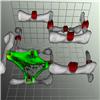 Cells
cultured on 3-D scaffolds Cells
cultured on 3-D scaffolds
Researchers at Karlsruhe Institute
of Technology (KIT) have developed three-dimensional structures on
which they can culture cells. The scaffold includes anchors to which
cells can adhere and enables the parameters of the cell culture to
be controlled. 14 April 2011
Amniochip detects 150 genetic
syndromes from amniotic fluid
Genetadi Biotech has developed
a prenatal diagnostic device that has a diagnostic resolution 100
times greater than common cytogenetic techniques. 14 April 2011
Novel therapeutic approach to fighting
inflammation
A new approach to certain inflammatory reactions uses
guidance molecules to reduce the body's own immune system to the required
level and prevent excessive and damaging inflammation.
Protagen to use UNIarray
platform to discover MS biomarkers for Biogen
Protagen AG has
announced that it will be using the UNIarray Platform to help
discover biomarkers in relapsing remitting multiple sclerosis for
Biogen Idec. 14 April 2011
 Simple
method turns blood cells into virus-free beating heart cells Simple
method turns blood cells into virus-free beating heart cells
A simplified, cheaper, all-purpose method that can safely turn blood
cells into heart cells has been developed at Johns Hopkins
University in the US. The method is virus-free and produces heart
cells that beat with nearly 100% efficiency. 12 April 2011
Lab-on-chip analyses single molecules
of DNA
The Micro- and Nano- engineering Unit at CIC microGUNE
in Spain has developed a lab-on-chip device that can analyse the
sequence of single strands of DNA. It could greatly simplify gene
sequencing. 12 April 2011. En
Español
Plasmids help antibiotic resistance to
travel between bacteria species
The part of bacterial DNA
that often carries antibiotic resistance can move between different
types of bacteria and adapt to widely differing bacterial species.
12 April 2011
Selvita to provide computational
chemistry services for US Institutes for Pharmaceutical Discovery
Krakow-based Selvita has signed an agreement with US drug discovery
company the Institutes for Pharmaceutical Discovery (IPD) to provide
computational chemistry services related to a novel protein target. 11 April 2011
Trial results for MycAssay
Pneumocystis kit published
UK medical diagnostics company
Myconostica, has announced the publication of a multicentre
prospective trial of its CE marked kit, MycAssay Pneumocystis. 11
April 2011
QUB and Almac discover natural protein
with anti-angiogenic activity
Scientists from Queen’s
University Belfast and Almac have announced the first publication
describing a potential new anti-angiogenic therapy based on a
natural protein first discovered at QUB. 11 April 2011
CIT launches LeadScreen services for
drug candidate selection
French contract research
organization CIT has announced a new range of services for companies
developing new drugs. 11 April 2011
Oncodesign offers
patient-derived colorectal tumour models for drug development
Dijon-based Oncodesign is offering what it claims is the world’s
most comprehensive collection of human colorectal cancer models
directly developed from patient’s tumours. 11 April 2011
RainDance Technologies and
Ambry Genetics collaborate to develop ADME genetic screening panel
RainDance Technologies, Inc. and Ambry Genetics have announced a new
collaboration for the development of a drug absorption,
distribution, metabolism, and excretion (ADME) genetic screening
panel for use on next-generation sequencing (NGS) systems. 19 March
2011
Chemotherapy drugs kill malaria parasite
A class of chemotherapy drugs originally designed to inhibit key
signaling pathways in cancer cells also kills the parasite that
causes malaria. 15 March 2011
Cell-like structures created
in microfluidic circuit assembly line
The Scripps Research
Institute in Florida has built a microscopic assembly line that mass
produces synthetic cell-like compartments, customizable over a range
of cell sizes, and efficient in terms of cargo encapsulation. 15
March 2011
Genetic test could predict
adverse reaction from bone cancer treatment
Genetic tests
could predict whether bone marrow cancer treatments including
thalidomide are likely to give patients a debilitating side-effect.
2 March 2011
Genetically modified fungus is new
weapon in fight against malaria
A genetically modified fungus that
kills the human malaria parasite in mosquitoes has been developed by the
Antibody Technology Group (ATG) in the School of Life Sciences at the
University of Westminster, London. 2 March 2011
LGC’s genotyping technology
used to study genetic basis for anticoagulation therapy
Researchers from six European countries will ake part in in the
two-year trial, which aims to demonstrate that a patient’s genotype
plays an important role in the effective prescribing of
anticoagulation (anti-blood-clotting) drugs such as Warfarin. 28 Feb
2011
Partek and Ion Torrent in
partnership to distribute genomics software
Bioinformatics
developer Partek Incorporated has signed a distribution agreement
with Ion Torrent Systems, to make the Partek Genomics Suite
available directly through Ion Torrent’s online store. 21 Feb 2011
Rapid advances in gene sequencing
using Ion Torrent PGM sequencer
Life Technologies has announced that
just six weeks following the launch of its sequencer, independent
researchers have presented data generated with the system. 21 Feb 2011
CLC Workbench v4.5 supports paired-end
data for RNA-sequencing
CLC bio has upgraded its software for
genomics, transcriptomics, and epigenomics analysis to support the use of
paired-end data for RNA-seq. 21 Feb 2011
DRC Computer Corp sets world
record for analysing gene sequences
DRC has achieved a world
record of 9.4 trillion cell updates per second and also drastically
reduced the cost of gene sequence analysis using its microprocessors
and Microsoft Windows HPC Server. 16 Feb 2011
Akonni Biosystems launches TruSentry
for rapid genetic screening of diseases
TruSentry brings
together Tecan’s Freedom EVO 200 liquid handling system with Akonni’s TruTip
technology for ultra-rapid sample extraction and TruArray microarray
platform for low-cost, highly-multiplexed screening. 16 Feb 2011
First patient trials of DNA vaccine
for leukaemia
A new DNA vaccine to treat leukaemia that has been
developed by scientists from the University of Southampton is being trialled
on patients for the first time in the UK. 16 Feb 2011
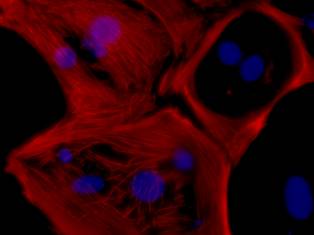 Skin
cells converted directly into beating heart cells Skin
cells converted directly into beating heart cells
The Scripps
Research Institute has converted adult skin cells directly into beating
heart cells efficiently without having to first go through the laborious,
time consuming and highly inefficient process of generating embryonic-like
stem cells. 16 Feb 2011
Biotage announces new methods for
extraction of key compounds
Biotage has introduced a new
series of application notes utilizing the industry-standard
RapidTrace SPE Workstation. 14 Feb 2011
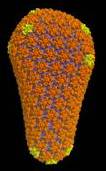 Structure
of HIV outer shell determined Structure
of HIV outer shell determined
The structure of the protein
package that delivers the genetic material of the human
immunodeficiency virus (HIV) to human cells has been mapped by the
The Scripps Research Institute and the University of Virginia. 31
Jan 2011
InhibOx launches Scopius-5
100m compound drug screening database
InhibOx Ltd has
launched Scopius-5, a drug-discovery screening database that can
store details of 100 million compounds, including 3D models. 24 Jan
Conference on nanotechnology
for drug formulation
The conference, which will be held on 27
January at The School of Pharmacy, London, will provide a forum for
industry professionals to discuss and highlight best practise and to
encourage collaborative working. 21 Jan 2011
BD and Bruker collaborate to transform
bacterial and fungal diagnostics
The companies have formed a
co-development and co-marketing collaboration that will promote an emerging,
integrated approach to bacterial and fungal identification and antimicrobial
susceptibility testing. 21 Jan 2011
New research clusters improve
UK drug development capability
Two UK initiatives are linking
the pharmaceutical industry, government-funded research and academia
with the aim of reviving the country's reputation as a centre for
drug research. 19 Jan 2011
Artificial pancreas gives hope for
injection-free diabetes
An artificial pancreas being developed at De
Montfort University could revolutionise the treatment of diabetes and put a
stop to daily injections. 19 Jan 2011
New technique for more efficient drug
development
A tiny polypeptide that can bind to virtually any
target-seeking organic molecule used for drug development could considerably
shorten the time taken to determine the suitability of a target molecule as
a useful drug. 19 Jan 2011
New metabolic profiling lab
brings personalised medicine to operating theatre
The newly
opened Surgical Metabonomics Laboratory in St Mary's Hospital,
London, could transform the way surgeons make decisions in the
operating theatre by using metabolic profiling of tissue samples. 17
Jan 2011
18th century Irish giant
helps find genetic cause of acromegaly
An
Anglo-German research team has analysed the genes of the Irish Giant
skeleton held in the Hunterian Museum in London to help identify the
genetic mutation responsible for acromegaly. 7 Jan 2011
Genetically modified algae
starch shows promise as malaria vaccine carrier
Two French
laboratories have successfully vaccinated and protected mice by
feeding them starch derived from green algae and genetically
modified to carry vaccine proteins. 6 Jan 2011
Engineered probiotic bacteria could
reduce obesity
Specially designed probiotics can modulate the
physiology of host fat cells. The findings could result in the use of
specialised probiotics to prevent or treat of conditions such as obesity. 6
Jan 2011
Drug screening finds new compounds
that prevent growth of prostate cancer
Finnish researchers have
discovered that several drugs and compounds already in the market can
prevent the growth of prostate cancer cells. 6 Jan 2011
Haitian cholera genome decoded
and identified as South Asian strain
Scientists from Pacific
Biosciences of California, Inc. and Harvard Medical School have
produced the first whole genome sequence analysis and most detailed
genetic profile to date of the pathogen responsible for the Haitian
cholera outbreak. 21 Dec 2010
Celulas Genetica to patent
breakthrough stem cell treatment for liver disease
Emerging
Healthcare Solutions, Inc. (EHSI) has announced that its newly acquired
biotechnology division Celulas Genetica will submit an international patent
application for the Rutherford Procedure, a revolutionary new stem-cell
treatment for liver disease. 21 Dec 2010
ChipDX discovers genetic signature for
early-stage colon cancer
ChipDX LLC has discovered and validated a genetic
signature for early-stage colon cancer and is developing an online
screening application to enable clinicians to more accurately identify
risk of recurrence. 21 Dec 2010
Antibiotic resistant genes should be
recognised as environmental pollution
Drug development cannot keep up
with the spread of antibiotic resistance, therefore it is important to take
effective measures to restrict the leakage of antibiotics into the
environment. 21 Dec 2010
iSOFT moves into life sciences
market
iSOFT Group Limited has moved into the life sciences
market with software that extracts and de-identifies clinical data
from electronic medical records for clinical research and other
secondary uses. 16 Dec 2010
Future Science Group launches
Clinical Investigation journal
Coverage spans all therapeutic
areas and relates to conventional small-molecule drugs as well as
biotech-derived therapeutic entities, including vaccines, monoclonal
antibodies, antisense, cell and gene therapies and recombinant
proteins. 16 Dec 2010
Plasticell and Sigma-Aldrich
collaborate to develop novel stem cell differentiation protocols
Plasticell will own resulting protocols for high efficiency,
directed differentiation of stem cells, with Sigma-Aldrich marketing
the reporter stem cell lines. 10 Dec 2010
Swedish project maps half of all human
proteins
Once complete, the Human Protein Atlas will provide
scientists with data that will help detect and treat some of the
world’s most serious health problems. 10 Dec 2010
Assistance Publique Hôpitaux de Paris
selects Bruker's mass spectrometry biotyper
The Assistance Publique Hôpitaux de Paris (APHP) has selected
Bruker's IVD MALDI Biotyper as their MALDI-TOF mass spectrometry-based
microbial identification tool. 10 Dec 2010
Universal flu vaccine to be tested in Indonesia
Australia and Indonesia are collaborating to produce and trial a
universal flu vaccine. The new vaccine, GammaFlu, provides
cross-protection against current influenza viruses as well as any
other unknown strains that may arise in the future. 10 Dec
DARPA awards Georgia Tech $4.3m to
develop biochemical sensors
The US Defense Advanced Research Projects
Agency (DARPA) has awarded the Georgia Institute of Technology $4.3m to
develop a new class of sensors able to detect multiple biological and
chemical threats simultaneously. 10 Dec 2010
NewGene certified to provide
NimbleGen sequence capture services in UK
Roche NimbleGen
has announced that Newcastle-based genomic services provider NewGene
Ltd has officially become a Certified Service Provider (CSP) for
NimbleGen Sequence Capture. 3 Dec 2010
New nanochemistry analytical tool
based on quartz crystal
A new chemical analysis technique developed
by a research group at the US National Institute of Standards and Technology
(NIST) uses the shifting ultrasonic pitch of a small quartz crystal to test
the purity of only a few micrograms of material. 3 Dec 2010
Personalised medicine requires
new strategies for cancer drug development
To make the most
of this coming transformation, governments, pharmaceutical companies
and doctors urgently need to adapt the way drugs are developed. 1
Dec 2010
Discovery of new immune
response gives hope for new meningitis vaccine
The discovery
of a previously unknown immune response by scientists at the
Universities of Leicester and Dublin has given a much needed
breakthrough in the fight against pneumonia, meningitis and
septicaemia. 12 Nov 2010
Chemical Computing releases new
version of PSILO protein structure database
Chemical
Computing Group (CCG) has released version 2010.09 of PSILO, a
protein structure database system that allows for an integrated
repository of proprietary and non-proprietary structural data. 9 Nov
2010
Life Technologies launches SOLiD 5500
next-generation gene sequencer
The 5500xl SOLiD Sequencer,
developed with Hitachi High-Technologies, is designed to deliver
fast and accurate genomic data for cancer biology and genetic
disease research. 9 Nov 2010
NuGEN enables next-generation
sequencing of DNA and RNA from FFPE samples
NuGEN
Technologies is making available the first commercial products using
next-generation sequencing (NGS) technologies to analyze nucleic
acids extracted from Formalin-Fixed Paraffin-Embedded (FFPE)
tissues. 3 Nov 2010
NanoString system detects hundreds of
genetic copy variants in single multiplexed reaction
NanoString
Technologies Inc has launched a novel solution for detecting genetic copy
number variations (CNVs) associated with disease susceptibility, drug
response and cancer progression. 3 Nov 2010
Phytoceuticals plant-based
wound dressing gains CE Mark
Phytoceuticals has received the CE
mark for its novel primary wound dressing, called "1", which is
formulated from a proprietary combination of two plant-derived oils, Neem oil and St John's Wort oil. 3 Nov 2010
1000 Genomes Project reaches
new frontiers in human genetics
The 1000 Genomes Project, a
major international collaboration to build a more detailed map of
human genetic variation and genetic association with diseases, has
completed its pilot phase. 27 Oct 2010
Plasticell launches second
generation Combicult cell culture screening platform
Plasticell has launched its second generation screening platform,
the Combicult 10,000-plex screen. It is capable of rapidly screening
up to ten thousand cell culture media combinations. 26 Oct 2010
Malaria mosquitoes rapidly
evolving into new species
Genetic analysis of the two strains
of mosquito responsible for the majority of malaria transmission in
Africa has found that they have evolved such substantial genetic
differences that they are becoming different species. 22 Oct 2010
Aberdeen biotechnology
students develop concept to reduce osteoporosis
A
revolutionary concept, which could help alleviate diseases including
osteoporosis, has been dreamt up by a group of Aberdeen University
postgraduate students for the Biotechnology Young Entrepreneurs
Scheme (YES) competition. 22 Oct 2010
Almac invests $4m in biocatalysis
business
Almac is continuing to both advance the biocatalysis
business and to broaden application of its biocatalysis expertise with a
further US$4m R&D investment. 22 Oct 2010
Nuevolution in collaboration
to develop drugs for epigenetic disorders
Copenhagen-based
Nuevolution is collaborating with EpiTherapeutics, ExpreS2ion
Biotechnologies and the Biotech Research & Innovation Centre (BRIC),
University of Copenhagen, to identify and develop novel small
molecule drugs against epigenetic factors. 21 Oct 2010
DNA and protein analysis confirms
Black Death caused by Yersinia pestis bacteria
Anthropologists at the Johannes Gutenberg University Mainz (JGU)
have proven that the bacteria Yersinia pestis was the
causative agent behind the "Black Death" that raged across Europe in
the Middle Ages. 21 Oct 2010
UK government announces £50m
funding for personalised medicine
The Stratified Medicines
Innovation Platform is a new government initiative providing over
£50 million of funding for research and development in diagnostics
and pharmaceuticals for personalised medicine. 15 Oct 2010
Bedouin gene disorder
highlights power of exome gene sequencing
The study of a rare
genetic disorder in a Bedouin tribe in Qatar has shown the value of
exome sequencing, a new genetic analysis technique. 15 Oct 2010
GATC Biotech first in Europe
to use PacBio RS gene sequencer
German gene sequencing
service provider GATC Biotech has announced that it has agreed to
purchase the PacBio RS platform, a single molecule, real-time (SMRT)
gene sequencing technology. 11 Oct 2010
Kinaxo and Daiichi Sankyo in
cancer drug development collaboration
German biotechnology
company Kinaxo Biotechnologies GmbH has signed a long-term
partnership agreement with Japanese company Daiichi Sankyo Company
Limited to develop cancer drugs. 1 Oct 2010
Recipharm acquires Abbott's
Spanish biopharmaceutical manufacturing
Swedish company
Recipharm AB has acquired Abbott’s manufacturing site near
Barcelona, Spain for an undisclosed sum.
The site, which will now
be called Recipharm Parets SL. 1 Oct 2010
Microelectronic sensors could
replace multi-welled microplate in research labs
The
multi-welled microplate, long a standard tool in biomedical research
and diagnostic laboratories, could be replaced by new electronic
biosensing technology on a chip. 23 Sept 2010
New genetic variant increasing
risk of bowel cancer identified
A single variant in a
person’s DNA can promote bowel cancer development, according to an
international study led by scientists at The Institute of Cancer
Research (ICR). 23 Sept 2010
Bacteria undergo rapid genetic
evolution during infection
During the course of a single
infection bacteria change genetically so fast that it is difficult
for the immune system to eradicate them, according to a landmark
US study. 23 Sept 2010
US patent issued to Metabolon for
methods to determine human metabolic age
The US patent for chemical
markers and methods to determine the metabolic age of humans is the twelfth
issued to the company in the field of metabolomics. 20 Sept 2010
Aberdeen University opens Kosterlitz
Centre for Therapeutics
The University of Aberdeen is opening the new
Kosterlitz Centre for Therapeutics on 16 Sept. The Centre is a cross-college
virtual organisation providing support to researchers to develop research
results into marketable products. 15 Sept 2010
MorphoSys starts novel drug
development program for MRSA infections
MorphoSys AG has started a
new proprietary development program against novel infectious disease
targets. It is also collaborating with Sheffield-based Absynth Biologics to
access novel target molecules related to MRSA. 15 Sept 2010
NAG releases Fortran Builder 5.2 for
computational research
This release of the checking compiler features
a virtually complete implementation of the latest Fortran 2003 standard and
an integrated development environment. 15 Sept 2010
PharmaDiagnostics launches SoPRano
assay kit for in-house assay development
PharmaDiagnostics NV has
launched the SoPRano CA1 assay kit. The new kit allows users to couple their
own proteins to SoPRano gold nanoparticles and build and run their own
assays. 15 Sept 2010
iBio and Fraunhofer partner GE to
develop biotechnology manufacturing systems
iBio, the Fraunhofer USA
Center for Molecular Biotechnology, and GE Healthcare have entered an
agreement to jointly develop and globally market manufacturing systems for
biopharmaceuticals and vaccines based upon their respective proprietary
technologies. 9 Sept 2010
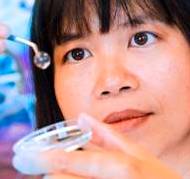 Synthetic
cornea regenerates damaged eye Synthetic
cornea regenerates damaged eye
Artificial corneas made from
laboratory grown collagen have regenerated and repaired damaged eye tissue
and improved vision in patients with corneal blindness. 26 August 2010
Spartan Bioscience announces first
point-of-care DNA testing system for personalized medicine
The
Spartan RX, a complete sample-to-result, point-of-care DNA testing system
for personalized medicine. The non-invasive system provides automated
results in one hour. 18 August 2010
Scancell licences human antibody from
Cancer Research Technology
Cancer Research Technology has licensed
Nottingham University spinout Scancell Holdings to use a human antibody
known as 105AD7. 18 August 2010
Cegedim Dendrite and Capgemini partner
to offer services to life science companies
Capgemini will provide
broad-based consulting and implementation services associated with Cegedim
Dendrite’s AggregateSpend360 and Nucleus 360 solutions to pharmaceutical,
biotech and medical device companies. 18 August 2010
Akonni Biosystems’ ultra-rapid nucleic
acid extraction technology gains US patent
The patent protects the
company’s use of its pioneering nucleic acid binding matrix when inserted
into a pipette tip, tubing or cartridge for nucleic acid purification. 18
August 2010
Seracare develops new control products
for molecular diagnostic tests for STDs
SeraCare Life Sciences, Inc.
has developed a new series of controls in its Accurun portfolio to monitor
and validate molecular diagnostic test performance for detection of
Chlamydia trachomatis and Neisseria gonorrhoeae. 18 August
2010
Tissue Studio 2.0 supports tumour profiling, multiplexing and
biomarker translational research
The new version includes a full
range of functionality for the analysis of immunofluorescence tissue stains
and more accurate
nucleus detection. 13 August 2010
Cytori gains EU approval for
stem-cell-based tissue reconstruction after breast cancer
Cytori
Therapeutics has received expanded European approval (CE Mark) for its
Celution System, a medical device that extracts and separates stem and
regenerative cells from a patient’s own fat tissue, and applications for
soft tissue repair. 12 August 2010
MabCure's blood test for ovarian
cancer gets positive results
Cancer diagnostics developer MabCure,
Inc. has announced that a confirmatory study demonstrated the company’s
proprietary monoclonal antibodies (MAbs) successfully identified ovarian
cancer in blood (94% accuracy) and with no false positives or
cross-reactions with benign ovarian tumours or healthy blood. 12 August 2010
Golden Helix upgrades high-performance
genetic data analysis software
Golden Helix's SNP & Variation Suite
(SVS) 7 software is an integrated collection of high-performance analytic
tools for rich, multi-dimensional approaches to uncovering genetic causes of
disease and other phenotypes. 12 August 2010
Gold Standard Diagnostics introduces
ThunderBolt automated diagnostics platform
The ThunderBolt platform
will provide laboratory customers with a single hardware solution that can
utilize multiple diagnostics technologies such as EIA, chemiluminescence and
multiplexing. 12 August 2010
Illumina launches compact real-time
PCR system
Illumina, Inc. has launched the Eco Real-Time PCR System
that offers high performance at the breakthrough price of $13,900. 12 August
2010
PharmaVigilant enhances clinical trial
management system
PharmaVigilant has launched I-Vault 2.5, the
enhanced version of its electronic Trial Master File (TMF) system. It
improves usability, administration and notification capabilities for
seamless site startup, site closeout and IRB submissions.
Clontech Laboratories and TET Systems
extend gene expression systems license agreement
Under the expanded
license agreement, Clontech obtains rights to develop, manufacture and
commercialize novel Tet Systems products such as the Tet-On 3G Inducible
Expression System. 11 August 2010
Illumina launches TruSeq SBS sequencing kit for genome
analyzer
The kit is the first in a new series that will
advance data quality, ease of use and economical sequencing on the company’s
sequencing platforms. 10 August 2010
CIT offers dried blood spot (DBS)
technique for bioanalytical services
CIT expects the new service to
bring ethical, scientific and cost benefits for clients conducting
toxicology, pharmacology and pharmacokinetics studies. 2 August 2010
Cambridge Crystallographic Data Centre
and InhibOx partner to offer drug development services
The
combined service offers pharmaceutical, biotech and governmental
research organizations access to new capabilities to accelerate drug
discovery and improve productivity. 2 Aug 2010
Prostate cancer seed cells discovered
New treatments for prostate cancer could result from the discovery that
basal cells found in benign prostate tissue can turn into cancer cells. 30
July 2010
 Laser
blasted carbon nanoparticles open cell walls for drug delivery Laser
blasted carbon nanoparticles open cell walls for drug delivery
Carbon nanoparticles blasted by bursts of laser light can open holes
in cell membranes just long enough to admit therapeutic agents
contained in the surrounding fluid. 30 July 2010
Common blood protein combined with
nanoparticles kills cancer cells
A normally benign protein abundant
in human blood appears to be able to zero in on and kill certain cancer
cells when paired with nanoparticles, without having to also load the
particles with chemotherapy drugs. 30 July 2010
Larch tree extract used to deliver
drugs inside cancer cells
A cancer drug to a polymer from the larch
tree, researchers at the Technion-Israel Institute of Technology have
developed a 'Trojan Horse' molecule that releases cancer-fighting drugs
inside cancer cells, protecting healthy tissue. 30 July 2010
Stem cells made by
reprogramming adult cells remember tissue of originStem cells made by
reprogramming adult cells remember tissue of origin
This
could limit the ability of induced pluripotent stem cells to
function as a less controversial alternative to embryonic stem cells
for basic research and cell replacement therapies. 26 July 2010
Missing link in cell division
discovered
Researchers from The George Washington University
Medical Center have identified a protein that plays a crucial role
in cell division and is over-expressed in breast cancer. 26 July
2010
Target Health joins forces with
LifeOnKey to offer clinical trials platform
Target Health and
LifeOnKey are partnering to offering a platform for the bio-pharmaceutical
and medical device industries to optimize clinical trials help researchers
capture, analyze and assess trial data more efficiently. 26 July 2010
Medical Device Consultants in
partnership with Clinical Development & Support Services
US contract
research organization (CRO) Medical Device Consultants, Inc. (MDCI) has
announced a strategic partnership with Clinical Development & Support
Services Ltd (CDSS), a clinical services and CRO based in Cheshire, UK. 26
July 2010
New rapid technique to map DNA by
melting base pairs
A new method for rapidly mapping the base
pairs of a DNA molecule has been developed by researchers in Sweden and
Denmark. The technique could be used to find out more easily whether
someone is carrying a genetic predisposition to certain diseases. 26
July 2010
BRAIN takes share in
Enzymicals
German biotechnology company BRAIN AG has acquired
a minority share in chemical and biocatalyst specialist Enzymicals
AG. The move enhances the activities of both companies in the
biocatalysis sector. 15 July 2010
New generation of biological
scaffolds for tissue transplants
The scaffolds, derived from
natural human or animal tissues such as vascular patches will not be
rejected by a patient's immune system and can be repaired and
renewed like normal tissue. 15 July 2010
Roche Applied Science
Industrial Business relaunched as Roche Custom Biotech
The
relaunch is to increase brand recognition in the life science,
pharmaceutical, and diagnostic industry. 14 July 2010
Sequencing of body louse
genome will lead to new insect disease control methods
A
global research team led by scientists from the J. Craig Venter
Institute (JCVI) have sequenced and analysed the body louse genome.
14 July 2010
Protein on surface of MRSA plays key
role in infecting human cells
An international research team has
found that Fibronectin Binding Protein plays a key roll in enabling MRSA to
infect human cells. 14 July 2010
FDA approves test for early
diagnosis of AIDS from HIV antigen
The US FDA has approved an
innovative new diagnostic tool from Abbott that can detect the AIDS
antigen and give a diagnosis of AIDS earlier than ever before. 14
July 2010
Networking platform for users
of antibodies in biomedical research
BioHub-Online.org is a
web-based platform that lists over 100,000 antibody products for
biomedical research and facilitates global networking and
collaboration among research scientists. 12 July 2010
Bee venom toxin leads to new
treatment for dementia
Apamin, a toxin found in bee venom
that blocks a type of ion channel in the human nervous system, has
potential for developing new treatments for neural conditions such
as muscular dystrophy, depression and dementia. 12 July 2010
World’s largest online
directory of tissue banks
SpecimenCentral.com has launched
the free directory for biomedical researchers, which lists over 230
human tissue banks spanning four continents. 12 July 2010
UK10K project to sequence
genomes of 10,000 people in UK
The Wellcome Trust has
launched a multi-million pound project to decode the genomes of
10,000 people in the UK over the next three years. This will be one
of the largest genome-sequencing programmes ever undertaken. 30 June
2010
JMP Clinical software
streamlines clinical trials safety reviews
New from SAS, the
software can help shorten the drug development process. It lets
users see and explore safety data from every angle, and then easily
share findings with others. 30 June 2010
Project to develop bilayer
lipid membranes to evaluate effectiveness of drugs
An array
of artificial cell membranes that will enable more efficient testing
of potential new drugs is being developed by scientists at the
University of Southampton and Birkbeck College, University of London
in a £1.2m project. 29 June 2010
LCD television waste turned
into antibacterial
Chemists at the University of York have
discovered a way to convert a key component of LCD screens into and
anti-microbial substance. 23 June 2010
Gut microbiology scientists gather in
Aberdeen
Over 200 scientists are gathering in Aberdeen this week for
a major international conference on the impact of gut bacteria on the health
of humans and animals (23-25 June). 23 June 2010
Pharmimage adds members and extends
research platform
Pharmimage, a French group specialized in the use
of imaging to measure the efficacy of new therapies for the pharmaceutical
industry, has acquired four new members and plans two major additions to its
research resources. 23 June 2010
Centocor Ortho Biotech
acquires lung disease portfolio in takeover of Respivert
Centocor Ortho Biotech Inc., a subsidiary of Johnson & Johnson, has
acquired RespiVert Ltd., a privately held drug discovery company
focused on developing small-molecule, inhaled therapies for the
treatment of pulmonary diseases. 23 June 2010
Genetic mutation in KRAS gene can
trigger melanoma
A genetic mutation found in some malignant melanomas
can initiate development of this most deadly form of skin cancer, according
to a study published in the journal Cancer Research. 23 June 2010
BD Max system for molecular
diagnostics launched in Europe
BD Diagnostics has launched the BD MAX
Automated Molecular Diagnostic System and the BD MAX GBS Assay in Europe,
the first in a planned broad menu of infectious disease assays. 23 June 2010
Cytoo technology increases sensitivity
and speed in cell analysis
Rigorous quantification of cell-wide
internal organization could be obtained using adhesive micropatterns and it
can also decipher a protein re-distribution upon a drug treatment that was
previously undetectable in conventional cell culture conditions. 23 June
2010
Simple urine test could
diagnose autism
Children with autism have a different
chemical fingerprint in their urine than non-autistic children. The
finding could ultimately lead to a simple urine test to determine
whether a child has autism. 18 June 2010
Life Technologies partners with German
Cancer Research Centre to create genome sequencing centre
Life
Technologies Corporation and the Deutsches Krebsforschungszentrum are
collaborating to create the National High-Throughput Sequencing Center, the
first national sequencing center in Europe dedicated to systems biology. 18
June 2010
Link found between obesity, gut
bacteria and genes
Researchers at the University of Maryland School
of Medicine have found a link between obesity, a variant of the FTO gene and
the presence of certain bacterial groups in the digestive tract. 18 June
2010
Surrey Clinical Research
Centre achieves MHRA accreditation
The Medicines and
Healthcare products Regulatory Agency (MHRA) has awarded the Surrey
Clinical Research Centre (Surrey CRC) at the University of Surrey
standard accreditation for conducting clinical pharmacology Phase I
trials. 17 June 2010
Euro-regional meetings in
biotechnology and healthcare
The meetings will be held on 1st and 2nd
July 2010 in Montpellier, France. Biomeridies and Eurobiomed in
collaboration with Sud de France Export are organising these meetings for
exchanging ideas, forming partnerships and meeting future partners. 17 June
2010
European IMIDIA project to
develop better tools to fight diabetes
The Innovative
Medicines Initiative for Diabetes (IMIDIA), a public–private
consortium funded by the Innovative Medicines Initiative (IMI), has
launched a project focusing on pancreatic islet cell function and
survival. 15 June 2010
Ambry Genetics introduces test
to identify carriers of newborn genetic disorders
Ambry
Genetics has launched AmbryScreen, a genetic screening test used to
identify carriers of some of the most severe and common childhood
diseases affecting pan-ethnic populations. 14 June 2010
Polyplus-transfection licenses
mammalian transient transfection technology to Kempbio 14 June 2010
Intercell acquires monoclonal
antibody technology from Cytos Biotechnology
Cytos'
technology is based on expression cloning of monoclonal antibodies
from human B-cells and enables the identification of anti-infective
antibodies to prevent and treat infectious diseases. 8 June 2010
Breakthrough tuberculosis vaccine to start clinical trials
Archivel Farma's treatment uses the
company’s unique combination of its novel therapeutic vaccine called
RUTI in conjunction with an antibiotic. 8 June 2010
Monoclonal antibody treatment
gives new hope for cure for rheumatoid arthritis
Portuguese
scientists have discovered a revolutionary new approach to treating
rheumatoid arthritis (RA) using monoclonal antibodies. It could also
change the way we treat a range of autoimmune diseases. 3 June 2010
Evotec wins grant to take H3 receptor
antagonist drug into clinical trials
Hamburg-based Evotec AG has won
funding of up to €1.5 million from the German Federal Ministry of Education
and Research (BMBF) to advance its H3 receptor antagonist drug programme
into clinical trials. 3 June 2010
Almac launch XCEL array platform for
biomarker discovery
Almac has launched the XCEL array, a biomarker
discovery platform that enables the identification of biomarkers within
multiple disease areas. 3 June 2010
Applied BioCode gains EU
approval for barcoded magnetic beads multiplex testing system. 2
June
High content screening
automation for Leica confocal microscopes
Leica Microsystems
has released the the Leica HCS A, a high-content screening
automation package for confocal research microscopes.
It is a
flexible tool for automated imaging in multi dimensions. 1 June 2010
BD Biosciences launches BD
LSRFortessa 18-colour cell analyzer
BD has launched an
off-the-shelf BD LSRFortessa System, which uses up to four lasers
that enable the detection of up to 18 colours simultaneously. 31 May
2010
First replicating bacterial
cell with synthetic DNA
Scientists at the J. Craig Venter
Institute (JCVI) in the US, have created the the first
self-replicating bacterial cell with synthetic DNA.
It involved
mapping the genome of the bacteria Mycoplasma mycoides, designing a
new genome in a computer, chemically synthesizing the 1.08 million
base pair chromosome of this genome, and transplanting this into
modified cells of another bacteria. 20 May 2010
New protein found that
controls longevity — in roundworms
The lifespan of the
roundworm C. elegans is controlled by the level of a single protein,
according to a study by researchers at Thomas Jefferson University.
14 May 2010
New genetic candidates show serotonin
link with irritable bowel syndrome
A research team at the Mayo Clinic
in the US has identified a number of genetic variants in serotonin genes
that impact irritable bowel syndrome or IBS. 14 May 2010
Promega LEV blood DNA kit
increases DNA extraction rate in less time
Promega's Maxwell
16 LEV Blood DNA Kit eliminates the need for a buffy coat step while
providing exponentially higher concentration in less time with
parallel purity. 14 May 2010
Five new genes found that
increase risk of breast cancer
The genes increase the risk of
cancer by between six and 16 per cent and take the total number of
common ‘low risk’ genetic sites associated with breast cancer to 18.
10 May 2010
Trial of new atherosclerosis
vaccine gives promising results
Researchers at the Swedish
Karolinska Institutet have shown that inflammation of blood vessels
in atherosclerosis is caused by the immune defence's T-cells
attacking LDL cholesterol and a vaccine against T-cell receptors has
reduced atherosclerosis. 10 May 2010
Australian seaweed extract
inhibits H1N1 flu virus
Australian biotechnology company
Marinova has isolated a natural extract from seaweed which has been
shown to inhibit the H1N1 virus. 10 May 2010
Novel rapid point-of-care test kits
bring low cost diagnostics for HIV and AIDS
Low-cost test kits that
measure CD4 T-cells in blood samples, markers of the immune system, will
give HIV/AIDS patients access to antiretroviral drugs faster. 10 May 2010
New mechanism for malaria parasite
resistance to artemisinin found
Researchers from CNRS, INSERM and
Toulouse University Hospital have demonstrated how the malaria parasite
Plasmodium falciparum is able to circumvent the action of artemisinin
and its derivatives, the first-line drugs used to treat this disease. 10 May
2010
NMR spectrometry to unlock
secrets of artemisinin malaria drug
A new project at Reading
University aims to unlock the biosynthetic pathway by which the
Chinese Wormwood plant produces artemisinin, a drug effective
against malaria. The aim is to find a cheaper way to produce the
drug. 4 May 2010
NextBio improves integration
and mining of array and gene sequencing data
NextBio has
launched a new version of its life science research platform, adding
new capabilities for the integration and mining of high-throughput
array and next-generation sequencing data. 4 May 2010
NanoString Technologies introduces new
assay kit for profiling human microRNA
NanoString Technologies has
launched a new product for miRNA analysis that includes a multiplexed assay
for profiling the human miRNA transcriptome in a single tube. 4 May 2010
Cultivating uncultivable
bacteria opens door for new generation of antibiotics
Scientists at Northeastern University in the US have taken a major
step towards being able to grow previously uncultivable bacteria in
the lab, the potential key to developing a new generation of highly
effective antibiotics. 21 April 2010
Growth factor from endothelial cells
enables mass production of adult stem cells
Research has found that
endothelial cells, components of blood vessels, produce growth factors that
can grow copious amounts of adult stem cells. Until now, adult stem cell
cultures would die within four or five days despite best efforts to grow
them. 21 April 2010
Supercomputer maps evolution of H1N1
flu mutations giving resistance to Tamiflu
If the behaviour of the
seasonal form of the H1N1 influenza virus is any indication, scientists say
that chances are good that most strains of the pandemic H1N1 flu virus will
become resistant to Tamiflu, the main drug stockpiled for use against it. 21
April 2010
Better biomarkers needed for
liver cancer detection
Widely used biomarkers are not optimal
in early detection of liver cancer, the third most common cause of
cancer-related death worldwide, according to a study published in
Gastroenterology. 21 April 2010
Drug screening strategy finds two
prototype cancer drugs
A comprehensive drug development strategy that
starts with extensive screening of potential targeting agents and then
narrows down to a small-molecule prototype has yielded two potential drugs
that block cancer-promoting pathways in novel ways. 21 April 2010
New antivirus effective against
H5N1 flu
A single intranasal dose of CS-8958 given to mice
two hours after infection with H5N1 influenza virus resulted in a
higher survival rate and lower virus levels than a standard five-day
course of oseltamivir (Tamiflu). 21 April 2010
Illumina introduces VeraCode
ADME core panel for studying drug response and adverse events
The ADME Core Panel offers the most complete representation of the
key biomarkers associated with drug absorption, distribution,
metabolism and excretion. 16 April 2010
Domainex collaboration with
ICR advances breast cancer drug research
Scientists have
discovered drug-like compounds that inhibit an enzyme from the PARP
superfamily, whose expression leads to the survival of breast cancer
cells. These will be screened to find potential drug candidates for
further development. 14 April 2010
Almac launches web-based label
approval process for clinical trials
Almac Clinical Services has
launched a new web-based clinical Label Approval System, a workflow-based
label approval management system. 14 April 2010
PolyTherics receives £100k grant to develop
novel fusion proteins
PolyTherics Limited, London-based innovators in precision
engineering of proteins, has started work on
a project to produce fusion
proteins using its chemical linker technologies. 14 April 2010
ChromoTek launches RFP-Trap
and GFP-Booster bioimaging reagents
RFP-Trap is used to
identify and pull down interaction partners of proteins tagged with
RFP (red fluorescent protein) and GFP-Booster restores or increases
the GFP (green fluorescent protein) signal in super-resolution
microscopy. 2 April 2010
Symposium on deuterium depletion: a
new concept in anticancer drug development
The First
International Symposium on Deuterium Depletion will be held on 13-14
May 2010 in Budapest, Hungary to give researchers and medical
practitioners a unique opportunity to get acquainted with a novel
tool for submolecular medicine. 2 April 2010
Phico Therapeutics raises
further £1.8m to develop new class of superbug antibiotics
Cambridge based Phico Therapeutics, has raised £1.8 million from
their recent funding round of institutional investors and business
angels to develop new treatments for drug-resistant 'superbugs'. 2
April 2010
Evotec in deal with Hypha Discovery to
enhance drug discovery platform
The deal gives Evotec's screening
clients access to Hypha’s MycoDiverse natural product collection for use as
part of its hit-and-lead services to identify medicinal compounds. 2 April
2010
New clues to achieving eternal
life
Researchers at Umeå University in Sweden have shown that
cells that grow forever get this capacity through gradual changes in
the expression of genes that govern the repair of DNA damage and
regulate growth and cell death. 1 April 2010
Eden Biodesign and Millipore in
partnership to offer pharmaceutical manufacturing and gene expression
technology
The partnership that will provide biopharmaceutical
companies with access to a combination of Eden’s cGMP manufacturing and
Millipore’s Ubiquitous Chromatin Opening Elements expression technology. 1
April 2010
New tuberculosis inhibitor discovered
(includes video)
Researchers at the Johns Hopkins University School of Medicine
have screened 175,000 small chemical compounds and identified one that blocks the growth of
the tuberculosis bacteria. 1 April 2010
Aging of human stem cells
reversed
A team of academic and industry researchers from
Canada and the US have demonstrated the successful reversal of the
developmental aging of normal human cells. 26 March 2010
Genetic engineering could turn the
mosquito from an infector to a vaccinator
Japanese researchers have
shown that a transgenic mosquito can induce an immune response from a bite.
It could provide a new strategy for biological control over the disease. 26
March 2010
First UK conference on hyperspectral
imaging
Strathclyde University is holding the UK's first
Hyperspectral Imaging Conference at the Institute for Advanced Studies on
Tuesday 13th and Wednesday 14th April 2010. 26 March 2010
Evotec signs agreement with Active
Biotech for high throughput molecular screening
Evotec AG has
entered into a collaboration with Active Biotech AB to identify small
molecule modulators of a priority biological target, selected by Active
Biotech, involved in immune disorders and cancer. 26 March 2010
Entry open for European Biotechnica
Award 2010
Upcoming European companies from the biotechnology sector
and the life sciences have until 30 April 2010 to submit entries for the
European Biotechnica Award. 26 March 2010
£10m new funding to promote drug
development in UK
The UK Bioprocessing Research Industry Club (BRIC)
is offering £10m for research to find ways of delivering new medicines from
biological materials more quickly and effectively. 26 March 2010
Cresset establishes new
division to provide computation chemistry tools
Cresset has
launched Versaphor, a new desktop applications division aimed at
supplying high quality computational tools based on its molecular
fields technology to a range of markets, including: medicinal
chemists. 25 March 2010
World's first windpipe transplant and
regeneration in a child
British and Italian doctors have achieved
a world first in transplanting a donated "stripped down" trachea
into a boy and using his own stem cells to rebuild the cellular
structure in his body. 19 March 2010
 Bienenwolf schützt sich mit Antibiotika. Bienenwolf schützt sich mit Antibiotika.
Grabwespen der Gattung Philanthus, die so genannten Bienenwölfe, beherbergen
nützliche Bakterien auf ihrem Kokon, die einen Schutz gegen schädliche
Mikroorganismen garantieren. 16 März 2010.
Translate the article
with Google translate (copy and paste text). English summary:
Beewolves protected by antibiotics:
Beewolves are solitary wasps that prey on bees. They have beneficial bacteria in
their cocoon that give protection against harmful microorganisms. 16 March 2010
Bruker introduces novel
Fourier 300 NMR spectrometer
Bruker BioSpin has launched the
Fourier 300, an easy-to-use 300 MHz high-resolution spectrometer
with a price tag that brings Fourier transform (FT) nuclear magnetic
resonance (NMR) spectroscopy within every chemist’s reach. 12 March
2010
WuXi PharmaTech's Shanghai
analytical testing facilities gain GMP certification
The
company has received European GMP compliance certification for its
c-GMP drug product manufacturing and analytical testing facilities.
9 Mar 2010
Sigma-Aldrich focuses on
biology with launch of life science brand platform
Sigma-Aldrich has unveiled its new Sigma Life Science brand and
website platform, designed to elevate the Company's current focus on
biology and provide a single destination where researchers can
access deep biological knowledge and market-leading products and
technologies. 5 Mar 2010
InVitria optimizes hybridoma cell
culture with Zap-Hybridoma
Zap-Hybridoma was created to improve
monoclonal antibody productivity and deliver easier purification of the
target product. 5 Mar 2010
Evotec extends research agreement with
Cubist Pharmaceuticals
Under the contract extension, Evotec will
provide additional fragment-based drug discovery expertise using its
proprietary platform, EVOlution. 5 Mar 2010
Heart researchers create
high-speed video from single high-resolution image
A new way
of capturing a high-resolution still image alongside very high-speed
video using off-the-shelf technology gives a new low-cost tool for
scientific imaging. 24 Feb 2010
Biodegradable polymers from plants
used in tissue regeneration and drug delivery
A new type of
biodegradable polymer made from non-food plant material has applications as
diverse as food packaging to tissue regeneration, medical stitches and drug
delivery. 24 Feb 2010
Lilly, Merck, and Pfizer
co-operate to accelerate cancer research in Asia
The three
companies have formed the Asian Cancer Research Group, to accelerate
research and ultimately improve treatment for patients affected with
the most commonly-diagnosed cancers in Asia. 23 Feb 2010
Chemical Computing Group announces new
version of Protein Silo database
PSILO is a database system
that provides an easily accessible, consolidated repository for
proprietary and non-proprietary macromolecular and protein-ligand
structural information. 23 Feb 2010
NHS delays causing clinical
research expertise to exit UK
Delays and variability in the
approvals process in the NHS for clinical research could be causing
pharmaceutical companies to look outside the UK and risks the
country losing some of its most experienced researchers. 23 Feb 2010
Celtic Pharma Holdings and
PolyTherics announce investment to develop novel biopharmaceuticals
The research programme will be undertaken jointly by PolyTherics and
Cantab BioPharmaceuticals Limited, a subsidiary of CP2 based in
Cambridge, UK, and the investment will be by Leverton Licence
Holdings Limited (LLH), another subsidiary of CP2. 22 Feb 2010
Taconic establishes rodent breeding
unit in Edinburgh
Taconic has announced the establishment of a
specialized breeding facility in Edinburgh for the production of genetically
modified rodents specially designed for drug testing. 22 February 2010
Quanticate
appoints head of new
pharmacovigilance
services team
The new
pharmacovigilance service offers clinical trial and post-marketing
pharmacovigilance in order to provide comprehensive surveillance
throughout the product lifecycle. 16 Feb 2010
Femtomedicine — the new frontier
of biomedical sciences
Femto-neutrons or ‘femtons’ are fast
neutrons of femtometer wavelength — a million times smaller than nano
scale — that can be used for a completely new rapid method of cancer
diagnostics. 15 Feb 2010
Pall Corporation introduces
PallSep biotechnology filtration system
The new system utilizes
vibrating membrane filtration (VMF) technology and encapsulated
hydrophilic polyethersulfone membrane filter modules. 15 Feb 2010
 600
million year old cancer gene discovered 600
million year old cancer gene discovered
Biochemists and biologists at
the University of Innsbruck, Austria, have retraced the function of an
important human cancer gene 600 million years back in time by studying a
freshwater protozoan that has changed little in that time. 15 February 2010
Domainex and Pharmidex form drug
discovery services alliance
Domainex Ltd and Pharmidex have formed a strategic alliance, combining
their expertise and innovative technologies to provide the market with
an integrated, high-quality drug discovery services platform. 11 Feb
2010
Ambry Genetics launches StemArray for
high resolution characterization of human stem cells
The Ambry StemArray offers a higher resolution approach to standard
karyotyping for stem cells at comparable costs. 11 Feb 2010
Health Decisions builds network of
international CROs to improve clinical trials research
Health Decisions, a full-service clinical research organization (CRO)
specializing in adaptive solutions, is raising the standard of
efficiency in global trials through its new, international CRO community
built on the company’s Agile Clinical Development methodology. 9 Feb
2010
QIAGEN Unit and Pfizer in
agreement to develop diagnostic kit for brain tumours
The companies will develop a companion diagnostic test kit for
PF-04948568 (CDX-110), an immunotherapy vaccine in development for the
treatment of glioblastoma multiforme (GBM). 9 Feb 2010
ISCO opens new facility for stem cell
products
International Stem Cell Corporation has opened its new production facility
in California that will enable development and manufacturing of
clinical-grade products using its human parthenogenic stem cell technology.
9 Feb 2010
Mapping genome of malaria parasite
almost complete
The research at Nanyang Technological University could lead to the
development of more potent drugs or a vaccine for malaria. 9 Feb 2010
Human genetic code linked to
biological ageing identified for first time
An Anglo Dutch team of scientists has identified for the first time
definitive genetic code associated with biological ageing in humans.
The 'variants' are located near a gene called TERC. 7 Feb 2010
 20-year
breakthrough in HIV research 20-year
breakthrough in HIV research
Researchers at Imperial College and Harvard University have made a
breakthrough in HIV research that had eluded scientists for over 20
years, potentially leading to better treatments for HIV. 5 Feb 2010
Automation Partnership and
Loughborough University in five-year collaboration to develop
regenerative medicine. 5 Feb 2010
March of Dimes awards $250,000 prize
for discovery of how to reprogram adult cells into stem cells
Shinya Yamanaka, the scientist who reprogrammed adult cells into
embryonic-like stem cells has been chosen to receive the 2010 March of Dimes
Prize in Developmental Biology. 5 Feb 2010
caprotec bioanalytics launches new
kits for proteomics and drug development
Berlin-based caprotec bioanalytics has launched three new caproKits, for the
discovery, identification and characterization of proteins belonging to the
groups of metallo-proteases, histon-deacetylases and GDP/GTP binding
proteins. 5 Feb 2010
Revolutionary strategy for control
and prevention of hospital superbugs
For the first time, researchers have shown how transmission of MRSA and
other superbugs from one person to another can be precisely tracked in a
hospital setting. Using high-throughput DNA sequencing researchers were
able to spot single-letter changes in the genetic code and identify
differences between closely related MRSA isolates. 1 Feb 2010
The latest biotechnology
industry reports — January 2010
DNA sequencing, nanobiotechnology, proteomics, RNAi, regenerative
medicine, etc. Buy online
NASA to develop microfluidics
technology for space-based research with Raydiance
Raydiance Corporation, developer of an ultrafast laser, is partnering with
NASA Ames Research Center to develop advanced microfluidics devices for
space-based biological experiments. 28 Jan 2010
Los Alamos lab licences unique
pathogen detector to Biomagnetics Diagnostics
Los Alamos National Laboratory (LANL) has licensed Biomagnetics Diagnostics
Corporation (BMGP) to further develop a pathogen biosensor. 21 Jan 2010
Eye disease successfully treated with stem cell therapy
The North East England Stem Cell Institute (NESCI) has reported the
first successful treatment of eight patients with Limbal Stem Cell
Deficiency (LSCD) using the patients' own stem cells without the need of
suppressing their immunity. 21 January 2010
Cambridge molecule database
archives 500,000th structure
The Cambridge Crystallographic Data Centre (CCDC) archived the 500,000th
small molecule crystal structure to the Cambridge Structural Database
(CSD) in December. The structure is the drug Lamotrigine. 19 Jan 2010
‘Junk DNA’ could help diagnose breast
and bowel cancer
Scientists at The University of Nottingham have found that a group of
genetic rogue elements, produced by DNA sequences commonly known as ‘junk
DNA’, could help diagnose breast and bowel cancer. 14 Jan 2010
FDA grants emergency use authorization
for TessArae H1N1 influenza A virus assay
The US FDA has granted Emergency Use Authorization (EUA) to TessArae for its
TessArray resequencing influenza A microarray detection panel for the
detection of the 2009 H1N1 influenza A virus. 14 Jan 2010
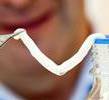 Bacterial
cellulose could make artificial blood vessels Bacterial
cellulose could make artificial blood vessels
The cellulose produced by bacteria could be used for artificial blood
vessels as it carries a lower risk of blood clots than the synthetic
materials currently used for bypass operations. 13 Jan 2010
Breakthrough in development of
therapeutic vaccines
The lack of compounds that stimulate the immune system has hindered the
development of therapeutic vaccines. These vaccines have the potential to
create both cheap and effective drugs for diseases like cancer and
allergies. However, there has now been a major breakthrough in this area. 13
Jan 2010
Sigma-Aldrich launches 'What's Your
Favorite Gene?' application On Facebook
The application provides a platform that can enable scientists and
researchers to network with each other and facilitate discussion based on
their favourite genes, identifiable via gene functionality and biological
pathways. 17 Dec 2009
Lung cancer and melanoma genomes
decoded
Research teams led by the Wellcome Trust Sanger Institute have achieved the
first comprehensive analyses of these two cancer genomes.. 16 Dec 2009
Faster flu vaccine production process
based on insect cells
A researcher at Wageningen University has developed an alternative process
for producing large quantities of safe and effective vaccines at over twice
the usual speed based on using insect cells in bioreactors instead of
fertilised chicken’s eggs. 15 Dec 2009
Sagentia helps reduce cost of
pharmaceutical production in UK
Sagentia, part of a consortium led by GlaxoSmithKline, is delivering a step
change improvement in advanced secondary pharmaceutical manufacturing in the
UK. 15 Dec 2009
Sigma Aldrich in licensing agreement to
market novel ZNA oligonucleotides
Sigma-Aldrich has announced a worldwide licensing agreement with
Strasbourg-based company Polyplus-transfection to manufacture and
commercialize Zip Nucleic Acid (ZNA) oligonucleotides, a new technology that
provides solutions for increased affinity for nucleic acids. 3 Dec 2009
Cambridge University and Life
Technologies collaborate to set up high throughput sequencing hub
The University of Cambridge and Life Technologies Corporation (NASDAQ:LIFE),
are collaborating to make next-generation sequencing technology available to
the European research and clinical communities. 2 Dec 2009
PPD to Acquire Excel PharmaStudies
Global contract research organization PPD, Inc. is to acquire Chinese
company Excel PharmaStudies, Inc. a market leader and one of the largest
contract research organizations in China. 12 Nov 2009
French biotech clusters join forces to
develop stem cell engineering
The consortium of three biotech clusters has received significant French
government funding for a three-year research and development project
focussing on the use of induced pluripotent stem cells. 3 Nov 2009
Eurogentec to acquire proteomics
developer AnaSpec
Belgian biotechnology lab products supplier Eurogentec S.A. has announced it
has entered a final agreement for the acquisition of california protemics
developer AnaSpec, Inc. 30 Oct 2009
Sinovac obtains third H1N1 vaccine
order from Chinese Government
Sinovac Biotech Ltd., a leading provider of biopharmaceutical products in
China, has received its third purchase order for its H1N1 vaccine, PANFLU.1,
from China's Ministry of Industry and Information Technology for the
national stockpiling plan. 29 Oct 2009
eBioscience acquires Bender MedSystems'
immunoassay technology
eBioscience Corporation has acquired privately held Austrian immunoassay
technology pioneer Bender MedSystems GmbH in an all cash transaction. 29 Oct
2009
Smiths Detection wins $3.2m in grants
to develop tests for sepsis pathogens and flu
Smiths Detection has won two grants from the US National Institutes of
Health for the development of tests using its Clinical Bio-Seeq instrument.
29 Oct 2009
|
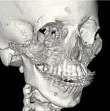
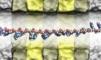
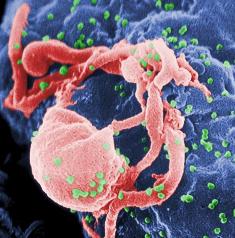 Thailand
HIV vaccine trial first to show preventive effect
Thailand
HIV vaccine trial first to show preventive effect 
 New
antibiotics produced from marine bacteria found in Norwegian fjords
New
antibiotics produced from marine bacteria found in Norwegian fjords Worm
gene gives hope for restoring injured nerves
Worm
gene gives hope for restoring injured nerves