|
The 'Angelina Jolie effect' caused surge in women testing for breast
cancer gene
Testing for the BRCA 1 gene mutation soared by
nearly 40% in the week that Angelina Jolie announced that she had
chosen to have an elective double mastectomy because she carried the
gene, according to a new AARP Public Policy Institute study. 13 Feb
2015
Biomedical engineer Dr Robert Langer wins Queen Elizabeth Prize for
Engineering
Dr Robert Langer, a David H. Koch Institute
Professor in the Department of Chemical Engineering at MIT, has been
awarded the Queen Elizabeth Prize for Engineering. 3 Feb 2015
European research initiative
to test novel treatments for Alzheimer's disease
The EPAD
project has announced the start of a novel collaboration between 35
academic and private sector partners from Europe and the US to test
innovative treatments for the prevention of Alzheimer’s dementia.
Nominet Trust lists healthcare
technology in annual NT100 'tech for good' list
The NT100
list for 2014 features 34 healthcare and accessibility applications
that are embracing new technologies. These include e-NABLE, which
harnesses 3D printing to create affordable prosthetics; FingerReader,
a wearable tech device for sight loss; and MAMA, a global community
which delivers vital health information. 8 Dec 2014
UK schools to get defibrillators to
save children suffering cardiac arrest
The UK Department for
Education (DfE) has awarded a contract for an initial provision of
500 automated external defibrillators (AEDs) to Philips through a
public procurement framework with NHS Supply Chain. 8 Dec 2014
Hospital sector investing in
new equipment to drive efficiency gains
Hospitals in
developed countries are becoming increasingly confident about their
growth prospects for the year ahead despite rising costs and ongoing
economic uncertainty, according to a survey by GE Capital. 18 Nov
2014
New strain of Ebola found in
the Congo
An outbreak of haemorrhagic fever in the Democratic
Republic of the Congo (DRC) in August has been verified as Ebola but
a different strain from that in the more well known outbreaks in
west African countries, according to an international study. 18 Nov
2014
Drug discovery system for cancer is
failing patients, says leading expert
The development of new
drugs and treatments for cancer has failed to keep up with advances
in knowledge because the system is broken, according to Professor
Paul Workman, Interim Chief Executive of The Institute of Cancer
Research. 28 Oct 2014
New data on the global
economic impact and burden of preventable blindness
Novartis
and its eye care division, Alcon have introduced new data on World
Sight Day that highlights the economic impact and burden that
blindness and vision impairment can have on societies and
individuals across the globe. 28 Oct 2014
Ebola patient carers at risk
of infection when removing protective gear
A team of
American infectious disease and critical care experts have issued an
alert for clinicians caring for Ebola patients that how they remove
their personal protective gear can be just as crucial as wearing it
to prevent exposure to the deadly virus. 24 Oct 2014
UK invests £230m in stratified
medicine, genomics and dementia research
The UK government
has announced that a partnership led by the Medical Research Council
(MRC) will invest over £230 million in 23 medical research centres
around the UK to develop new technology for identifying the causes
of diseases. 24 October 2014
Randomised controlled trials for testing Ebola treatments are
unethical say experts
A group of leading health experts have urged the deployment of alternative
trial designs to fast-track the evaluation of new Ebola treatments
to suit the urgency of the crisis. 15 Oct 2014
New forecasts show Ebola
infections could reach 1.4 million by January
The current
Ebola epidemic could claim hundreds of thousands of lives and infect
more than 1.4 million people by the end of January 2015, according
to a new forecast released by the US CDC. 2 Oct 2014
Scale of current Ebola
outbreak makes previous models for predicting spread useless
A mathematical model that replicates and forecasts Ebola
outbreaks is no longer suitable for predicting the eventual scale of
the current epidemic, according to researchers at the University of
Warwick. 2 Oct 2014
Tenth of antibiotics
prescribed by GPs over 22 years fail to cure patients
A
22-year study by Cardiff University has found that more than one in
10 of all antibiotic treatments in a primary care setting failed.
This rate has increased and continues to rise. 26 Sept 2014
International Ebola response
"Totally, and lethally inadequate" says MSF
The International
President of Médicins Sans Frontières
(MSF), Dr Joanne Liu, has told the UN that the world must act now to
fight Ebola or many more people will die and that the response
remains totally and lethally inadequate. 17 Sept 2014
Regions most at risk of Ebola
mapped
An international team of researchers has mapped the
regions in Africa most at risk of an Ebola outbreak based on animal
infections. 9 Sept 2014
Northumbria University trains Thai nurse trainers in use of 'SIM
patients'
A delegation from Thailand’s Ministry of Public Health has
visited Northumbria University, Newcastle, to learn how to use
robotic patient mannequins for use in training nurses in colleges
across the country. 14 Jul 2014
Call for better resources to deal with Ebola virus outbreak in
Sierra Leone
Researchers working in Sierra Leone have written a letter
to the Lancet calling for improvements in access to diagnostic
technologies and health-care resources, as well as improved disease
surveillance and health communication for dealing with the Ebola
crisis. 8 Jul 2014
Medtronic launches $17m programme to support
chronic disease care for underserved populations
Medtronic
has launched HealthRise, a five-year,
US$17m Medtronic Philanthropy program that supports
community-based demonstration projects specifically designed to
expand access to care and management of chronic, non-communicable
diseases. 24 Jun 2014
Novartis Foundation and Netherlands Leprosy Relief
launch project to
reduce leprosy
The Novartis Foundation for Sustainable Development and
Netherlands Leprosy Relief (NLR) are launching a project with
national leprosy programs and other leprosy organisations to reduce
the spread of leprosy worldwide. 11 Jun 2014
European Medicines Agency
backtracks on clinical trials data transparency
An editorial
in The British Medical Journal has questioned why the European
Medicines Agency has recently decided to backtrack on their decision
for public access to clinical trial data. 29 May 2014
New EU rules on clinical
trials data aimed at preventing Tamiflu and other scandals
New rules on making clinical trials data available for public
scrutiny were voted through by the European Parliament this month.
15 April 2014
Call for clearer direction on
use of whole-genome sequencing for newborn screening
Ethical,
legal and social issues of whole-genome sequencing should be debated
before adopting it in public-health programs that screen newborns
for rare conditions, say researchers at McGill University.
Second Sight's retinal
prosthesis system approved for reimbursement in France
The
Argus II Retinal Prosthesis System has become the first recipient of
the French Government's 'Forfait Innovation' programme for
reimbursement of innovative treatments. 2 April 2014
Large variation in quality of
health care within and between European countries
Sweden,
Italy and Norway have high quality health services overall,
according to the EuroHOPE project, but quality and costs vary widely
both between and within countries. 1 April 2014
EuroHeart II project shows
€196bn annual cost of cardiovascular disease in Europe
The
EU-funded EuroHeart II Project was completed at the end of
February after three years of research into current cardiovascular
disease trends and analysis of EU-wide CVD prevention policies. 4
March 2014
High blood pressure is an epidemic as
devastating as HIV
The response of most governments and
international aid agencies to high blood pressure, or hypertension,
is little better than the reaction to HIV/AIDS 20 years ago — too
little too late — according to an editorial in the International Journal of
Epidemiology. 4 March 2014
MedaPhor supports ultrasound
training in Rwanda and the Dominican Republic
Cardiff-based
MedaPhor is working with US healthcare institutions to provide
technical support to boost ultrasound skills in Rwanda and the
Dominican Republic. 4 Feb 2014
European Parliament approves €80 billion research fund for Horizon 2020
programme
The European Parliament has approved the Horizon 2020 European
research and development programme with a budget of nearly €80
billion over seven years. 22 Nov 2013
Eating nuts linked to longer
life and lower risk of diseases
A study tracking the diet of
over 100,000 men and women over 30 years has found that people who
ate a daily handful of nuts were 20% percent less likely to die from
any cause than were those who didn’t consume nuts.
European Patients’ Forum launches
campaign for patient participation
The European Patients’ Forum (EPF) has launched a campaign
ahead of the 2014 European elections to encourage
policymakers to commit to putting patients at the centre of
healthcare throughout Europe. 2 Oct 2013
Serious delays in diagnosis of
Alzheimer’s, Parkinson’s and MS
Most patients with
Alzheimer’s, Parkinson’s and multiple sclerosis are facing
unacceptable delays in diagnosis in Europe, according to research
carried out by GE Healthcare. 26 September 2013
European Parliament could
cripple medical innovation in Europe
The European
Parliament’s Committee for Environment, Public Health and Food
Safety (ENVI) has voted in favour of draft legislation that trade
body Eucomed says could cripple the medical technology sector in
Europe and delay patients' access to innovative products. 25 Sept
2013
Call for action on
antimicrobial resistance
International leaders from the
pharmaceutical industry, academia, SMEs and the healthcare sector
met in May to look at why we are no closer to defusing the
antibiotic resistance “ticking-time bomb” than we were a decade ago.
21 Aug 2013
Medilink East Midlands wins
£2.1m funding from ERDF for advisory service
Medilink East
Midlands will be able to continue its iNet business advisory service
for a further two years with an additional £2.1 million from the
European Regional Development Fund (ERDF). 31 July 2013
UK government announces £93m
support for medtech sector
The UK government has announced
awards from the Biomedical Catalyst fund for research projects, a
new National Biologics Manufacturing Centre and joint investment in
medtech companies by the Technology Strategy Board and the
Department for Health. 31 July 2013
Sir Andre Geim wins Copley
Medal for discovery of graphene
The Royal Society has awarded
Sir Andre Geim the Copley Medal for his contributions to science and
in particular his work on graphene. 25 July 2013
Many medical practices worse
than doing nothing
A new analysis published in Mayo
Clinic Proceedings has documented 146 medical practices
currently in use that have no benefit. 24 July 2013
Government not doing enough
for the science-based economy
The UK’s science-based economy
needs greater support from the Government to grow, according to a
survey of science-based companies by Lab Innovations. 17 July 2013
Recommendations for the development of nanomedicine in Europe till
2020
The European Technology Platform on Nanomedicine (ETPN) and the
NANOMED2020 project have published a White Paper on the
Contribution of Nanomedicine to Horizon 2020 research funding
programme. 21 June 2013
Increased payments to
hospitals reduced infant mortality in Thailand
When
healthcare reform in Thailand
increased payments to public hospitals for indigent care, more poor
people sought medical treatment and infant mortality was reduced, a
new study by the Consortium on Financial Systems and Poverty shows.
21 June 2013
Med tech industry applauds
planned US-EU trade negotiations
AdvaMed, COCIR, MITA and
MedTech Europe have applauded the announcement at the G8 Summit for
the benefits that the negotiations could bring to the medtech sector
on both sides of the Atlantic. 21 June 2013
COCIR welcomes changes to EC
EMF Directive protecting use of MRI scans
COCIR has welcomed
the revised European Council Directive on Protecting Workers from
Exposure to Electromagnetic Fields (the EMF Directive) passed by the
European Parliament yesterday. 21 June 2013
Thirteen national science academies call on G8 to act on drug
resistance threat
The national
science academies of the G8 member states and five other science
academies, are calling on the G8 governments to take action over two
threats to human populations: drug-resistant infectious agents and
sustainable development. 4 June 2013
Genome analysis poses ethical
dilemmas, says European Society of Human Genetics
The
provision of services that give patients cheap whole-genome analysis
can pose ethical problems if used incorrectly, says The European
Society of Human Genetics (ESHG). 22 May 2013
Western diet reduces health in
older age
A Western-style diet reduces the chance of having good
health and higher functionality in older age, according to a 15-year
study of British adults. 25 Apr 2013
Novartis joins Malaria No More
in campaign to eliminate malaria
Novartis and the charity
Malaria No More have announced that they will work together to
accelerate progress in the fight against malaria in a campaign
called the Power of One. 25 Apr 2013
Today's adults are less healthy
than previous generations
The adults of today are less
"metabolically" healthy than their counterparts of previous generations,
even though they have greater life expectancy, according to a large
population study from the Netherlands.
NHS workforce shows slight
fall in 2012
Nearly 1.36 million people (1,358,295) were
working for the NHS in England at 30 September 2012 — a 0.2% (3,238)
decrease from 2011. The figures cover staff working in hospital,
community, general and personal medical services. 4 Apr 2013
WSD results show telehealth
not cost effective for chronic disease management
Results
from the Whole System Demonstrator Trial, one of the largest trials
of telecare and telehealth ever conducted, show that the cost of
telehealth is about three times the cost-effectiveness threshold set
by NICE. 22 March 2013
Health services losing the war
against antibiotic resistance
The UK's Chief Medical Officer
has highlighted the threat of antibiotic resistance and called for
action to develop new drugs. Also, on bmj.com health economists
Richard Smith and Joanna Coast argue that antibiotic resistance “has
the potential to undermine modern health systems". 11 Mar 2013
European Parliament urged to
focus on need for safety and timely access to medical devices
Eucomed has issued a statement that it welcomes stakeholder calls at
a public hearing of the European Parliament’s Environment, Public
Health and Food Safety Committee for improvements to Europe’s
regulatory system for medical devices. 28 Feb 2013
Feature: New model needed for
managing long-term conditions
Clare Wexler, CEO,
Totally Health, examines why commissioners and patients must behave
differently if care pathways for the treatment of chronic disease
are to improve, and why integrated, innovative technologies must
form part of the solution. 26 Feb 2013
European medtech industry
criticises proposed EU medical device legislation
Eucomed,
the European medical technology industry association, has called for
changes to the European Medical Device Directive proposal and has
launched a campaign, called "Don't lose the 3", to ensure
legislators are aware of the objections. 25 Feb 2013
European Science Foundation calls for increased use of ICT in health
and social care
A new position paper produced by the European Science Foundation
(ESF) calls for increased use of information and communications
technologies (ICT) to improve delivery of health and social care services.
22 Feb 2012
NICE recommended to
look at impact of new drug approvals on other patients
For the first time a method has been found for
estimating the impact on other patients of new and more
costly drugs and other treatments in an environment of
limited budgets. 7 Feb 2013
TSB lauds progress made in establishing Catapult network of
innovation centres
Chief Executive Ian Gray, speaking in the
House of Lords earlier this week, outlined the milestones reached
since the Prime Minister announced late in 2010 that the Technology
Strategy Board would be establishing, overseeing and coordinating
the network. 30 Jan 2013
UK government needs more
innovative approach to improve prospects for telecare
The UK
government's flagship 3millionlives telecare programme is in danger
of stalling without a more innovative approach, according to a
new report. 28 Jan 2013
SR One launches £100,000
competition for young medtech entrepreneurs
Venture capital
firm SR One has launched a £100,000 competition to encourage young
biotechnology and medical technology entrepreneurs in Europe. 28 Jan
2013
UK funding competition for
robotics and autonomous systems research
A £1 million funding
competition that will help develop Robotics and Autonomous Systems
(RAS) technology in the UK has been launched by the Technology
Strategy Board. 25 Jan 2013
New alliance of academic
research centres to accelerate drug development
Six of the world’s top translational health research centres
have formed the Global Alliance of Leading Drug Discovery and
Development Centres. 23 Jan 2013
Care homes and
healthcare services need to work together to improve health of older
people
Tensions exist between care homes and healthcare services
due to their different focus and requires better co-operation and
integration to improve levels of care for older people, according to
a new study led by researchers at the University of Hertfordshire. 23 Jan 2013
Increase in young people
suffering from inflammatory bowel diseases
In Europe, about three million patients suffer
from the inflammatory bowel diseases crohn’s disease and ulcerative
colitis, with a peak occurring between the ages of 20 and 30. 23 Jan
2013
NHS publishes guidance to reduce carbon footprint of medical devices
and medicines
The guidance is the first of its kind for the
healthcare sector and is an important part of helping the NHS to
reduce its carbon footprint. 17 Dec 2012
New website helps healthcare
organisations reduce risk of sharps injuries
BD has launched
a website to help healthcare workers and their organisations comply
with the EU Directive on the prevention of sharps injuries. 10 Dec
2012
UK government support for university and business research partnerships favours the
south of England
When complete,
the combined government, business and charity support will deliver
more than £1 billion of new funding for research, with £497 in the
south of England. Nov 2012
€300 million boost for
biomedicine in Berlin
Two of Berlin's largest biomedical
research centres are merging to form the Berlin Institute of Health
(BHI), a joint venture that will receive at least €300 million in
new funding over the next five years. 26 Nov 2012
Financial incentives
successfully improve hospital mortality rates
A study of
hospitals across Northwest England has shown that a combination of
competition and collaboration, with financial incentives for
success, gave a significant fall in mortality rates for certain
conditions. 23 Nov 2012
UK Business Secretary
announces a few more peanuts invested in tech sector
The
Technology Strategy Board will invest up to a further £6 million in
new Launchpad competitions to accelerate the development of existing
clusters of innovative high growth SMEs around the UK. 21 Nov 2012
All social groups equally
affected by obesity epidemic
A Swedish study shows that
obesity is increasing across all social groups and that we need to
look at factors other than socioeconomic status to understand and
solve one of the major public health concerns of the Western world.
14 Nov 2012
Quarter of bowel cancers
only discovered from emergency hospital admission
A national
audit has found that about a quarter of bowel cancer patients in
England are only diagnosed with the disease after an emergency
admission to hospital. 31 Oct 2012
More collaboration
between business and universities needed to boost UK economy
UCB has called on the UK Government to ensure that measures to
strengthen partnerships between universities, business and the NHS
actually deliver results. 24 Oct 2012
Flaws in EU regulation of
medical devices, says BMJ
A joint undercover investigation
by the BMJ and the Daily Telegraph has exposed
flaws in the EU system used to grant market access for devices such
as replacement hips, cardiac defibrillators, and breast implants. 24
Oct 2012
European medtech associations
form new alliance to drive industry forward
Eucomed and EDMA,
the European Diagnostic Manufacturers Association, have formally
launched a new alliance called MedTech Europe. 10 October 2012
Eucomed voices concern over scrutiny procedure in EC proposal for
medical device regulations
Eucomed has
welcome most of the recommended measures in the
European Medical Device Directive proposal but says the ‘scrutiny procedure’ will ultimately harm
patients and will negatively impact European governments and industry. 3
Oct 2012
European Commission proposes new regulations for medical devices
The EC has proposed two regulations to ensure that patients,
consumers and healthcare professionals can reap the benefits of
safe, effective and innovative medical devices. 3 Oct 2012
Unnecessary medical treatment
costs US up to $800bn per year
Leading doctors are calling
for action to tackle unnecessary care that is estimated to account
for up to $800bn and are challenging the basic assumption in US
healthcare that more is better. 3 Oct2012
Are genes or
the environment the main cause of obesity?
The ongoing
obesity epidemic is creating an unprecedented challenge for
healthcare systems around the world, but what determines who gets
fat? Two experts debate the issue. 3 Oct 2012
ASEAN Medical Device Directive
to give US$400m boost to market
A new co-operation agreement
between 10 South East Asia countries to standardize medical device
registration will allow suppliers to take advantage of more than
$400M of new emerging business in four key areas. 21 Sept 2012
Health and safety guidelines
issued for working with nanomaterials
The Institution of
Occupational Safety and Health (IOSH) has published the first-ever
health and safety guidance for working with nanomaterials in
research and development. 20 Sept 2012
China achieves basic healthcare for
all eight years ahead of plan
Following a national healthcare
reform programme, China has extended basic healthcare access to more
than 95% of its 1.35 billion population eight years ahead of
schedule. 17 Sept 2012
University of Bath appoints
Professor of Healthcare Engineering
The University of Bath
has appointed Professor Richie Gill to pull together
multi-disciplinary expertise in healthcare engineering from across
the institution. 16 Aug 2012
IET calls for entries for
science, engineering and technology awards
The Institution of
Engineering & Technology has issued the final call for entries for
its 2012 Innovation Awards, honouring individuals and companies in
science, engineering and technology. 9 July 2012
European
Research Council allocated €1.75bn by EC for research projects
The
EC has announced a total budget of €1.75 billion to
support projects funded by the ERC in 2013 in all fields. 9 July
2012
EC invites
applications for share of £6.5 billion research funding
The
European Commission has announced an invitation to bid for a share
of the largest ever EU research and innovation funding, under its
Seventh Framework Programme (FP7). 9 July 2012
ECRI Institute
identifies 1,000 healthcare technologies to address unmet healthcare
needs
These interventions, which cut across scores of
diseases and conditions, are described in newly published reports
that are free and available to the public. 6 July 2012
Ukraine opens 200-bed
perinatal centre
The new perinatal center has been opened in
the southeastern city of Dnipropetrovsk as part of the healthcare
reform program. 26 June 2012
Lack of action on COPD as big
a threat as global financial crisis
In the run up to World Spirometry Day on 27 June
the European COPD Coalition (ECC) is calling on
policy makers across Europe to recognise that chronic diseases such
as COPD, present as great a threat as the global financial crisis,
and is urging collective international action.
UK government funds 16 R&D
projects for hi-tech manufacturing
The UK Technology Strategy
Board and the Engineering and Physical Sciences Research Council are
to provide £6.5 million grant funding to support the development of
new technologies in manufacturing. 15 June 2012
COCIR reports on
International Medical Device Industry Compliance Conference
This year’s conference agenda featured a variety of sessions and
roundtables to address, amongst others, global anticorruption trends
and risk management and transparency. 17 May 2012
111 organisations call
for more controls over use of synthetic biology
The coalition
has released a report, The Principles for the Oversight of Synthetic
Biology, to highlight the risks to public health and the environment
from synthetic biology. 14 Mar 2012
European neurodegenerative disease
research strategy launched
The EU Joint Programme in
Neurodegenerative Disease Research (JPND) is the first of the
European Joint Programming initiatives which are designed to address
the ‘grand challenges’ facing EU society. 9 Feb 2012
EDMA and Eucomed join
forces to create European industry federation
The move aims
to enhance the recognition of their joint membership at European
level and make them uniquely positioned to address common issues of
interest. 17 Jan 2012
Strategies to study
lifestyle and genetic factors related to chronic diseases
A
group of scientists has examined the challenges associated with
chronic inflammatory diseases, and described 10 key areas with the
highest priority for research. 13 Dec 2011
EIB, EIF and EC launch
facility to help technology-based SMEs get loans for RDI
The new risk-sharing instrument for SMEs will be managed by the EIF.
In addition, the EIB and the European Commission are to provide
extra resources for research infrastructures. 12 Dec 2012
UK Future Technologies Fund backs SEP IV to support high technology businesses
The UK Future Technologies Fund has committed to SEP IV, the
latest fund managed by Scottish Equity Partners continuing the
support of the European Investment Fund. 12 Dec 2012
AstraZeneca gives 22 drug compounds for research at UK universities
Astra Zeneca and
the UK Medical Research Council have reached a landmark agreement
that gives UK universities free access to 22 of the company's
compounds with pharmaceutical potential. 5 Dec 2011
TSB announces £8.5m grants to
fourteen projects to boost regenerative medicine
The UK
Technology Strategy Board has announced that fourteen
commercially-focused research and development projects that will
lead to innovation in regenerative medicines are to benefit from
nearly £8.5 million of UK government funding. 5 December 2011
UK government announces £90m
new funds for life sciences commercialisation
Prime Minister
David Cameron has announced a package of support for the UK’s
leading life science companies and academia to enable them to move
more quickly from discovery to commercialisation. 5 December 2011
NHS NIHR to fund development of new
medical devices — apply by 7 Dec 2011
The NHS National
Institute for Health research has launched a call for proposals to
develop innovative healthcare products for the improvement of
diagnosis, treatment and prevention of disease in the NHS.
NTAC launches online
tool to accelerate adoption of new technology in NHS
The NHS
Technology Adoption Centre (NTAC), has launched the Generic Adoption
Process to provides a roadmap, along with the required tools to
enable proven medical technologies to be adopted. 3 Dec 2011
Feature: Regulatory challenges
in getting medical devices ready for the market
By
Rachael Histed, Associate, DLA Piper. The current
challenges faced by the healthcare sector are creating a wealth of
opportunity for innovation in the medical devices industry. With
tightening budgets, an aging population and an impending shortage of
healthcare professionals, the healthcare industry is crying out for
improvements in the diagnosis, prevention, treatment and
rehabilitation of illness and disease. 29 Nov011
Growing rate of
premature mortality in European men
An EC report reveals a
growing rate of premature mortality in European men and
deteriorating health. Its lead author, Professor Alan White, the
world’s first Professor of Men’s Health at Leeds Metropolitan
University, presented the findings at an Expert Symposium on Men’s
Health as part of the launch of the University’s Institute for
Health & Wellbeing on Thursday. 4 Nov 2011
The winning formula for
improving health systems at low cost
There is a winning
formula for improving health systems that low income countries can
apply, according to a new study led by the London School of
Hygiene & Tropical Medicine. 3 Nov 2011
Annual screening with
X-rays does not reduce lung cancer deaths
A trial involving
150,000 patients that gave half annual chest X-rays for up to four
years showed that screening did not significantly reduce death from
lung cancer compared to the unscreened group. 27 October 2011
Lack of communication
across care settings puts elderly patients at risk
Effective
coordination across primary and secondary care settings is crucial
in the recovery of elderly people. Poorly executed transitions may
lead to poor clinical outcomes, inappropriate use of hospitals and
re-hospitalization. 26 Oct 2011
Global intitiative addresses growing challenge of urban health
The General Assembly of the International Council for Science has
endorsed plans for a new global initiative to plan for the
increasing health challenges of the rapidly growing urban
populations worldwide. 23 October 2011
Eucomed launches five-year strategy
to transform healthcare
Eucomed, the European medical
technology industry association, has launched a 5-year industry
strategy report ‘Contract for a Healthy Future’. 17 Oct 2011
World Food Day: multi-pronged
approach needed to fight global hunger
To mark World Food Day
2011, Worldwatch's Nourishing the Planet team emphasizes the need
for innovative hunger-fighting initiatives at all levels. 16 Oct
2011
Cochrane Collaboration calls for free
access to all clinical trials data
The Cochrane Collaboration
says free access to all data from all clinical trials will provide
the best care for patients globally. 11 Oct 2011
Lung diseases cost EU economy
€100bn — urgent action needed
The European Respiratory
Society (ERS), has produced the European Respiratory Roadmap that
outlines key recommendations and respiratory health priorities for
the next decade. 2 Oct 2011
ECDA welcomes UN discussion on
non-communicable diseases
The European Chronic Disease
Alliance welcomes the UN High Level Meeting on Non Communicable
Diseases to address the diseases that account for 86% of deaths and
77% of the disease burden in Europe. 27 Sept 2011
D4D offers awards to develop
assistive and renal technologies
Devices For Dignity (D4D) is
offering £30,000 in a proof-of-concept competition designed to
accelerate the development of promising ideas in the healthcare
technology sector. 31 August 2011
First changes in 100 years to
method for checking high blood pressure
The way blood
pressure is diagnosed and treated is set to be revolutionised
following new guidelines issued by NICE. 24 August 2011
Sheffield to host event
promoting high-value medtech manufacturing
Organised by
Medilink Yorkshire & Humber, the High Value Manufacturing in
Healthcare event to be held on 29 June, will engage with the UK
healthcare technologies community to look at the issues relating to
high-value added manufacturing. 9 June 2011
COCIR publishes position paper
on innovation in healthcare
The paper, Towards an innovation-driven healthcare model,gives
an industry perspective on the opportunities and challenges
innovation-driven healthcare presents. 26 May 2011
Malaria vaccine trial starts
in Burkina Faso
Trials of a new candidate malaria vaccine
GMZ2 have begun in Burkia Faso.
The vaccine is a hybrid malaria vaccine composed of merozoite
surface protein (MSP3) and glutamate rich protein (GLURP). 17
May 2011
Safety of European medical
devices regulation questioned
An investigation by the BMJ and
UK TV company Channel 4 questions whether the European safety
regulations for medical devices protect patients adequately and
calls for tighter regulatory controls. 16 May 2011
Clear strategies and
recommendations needed for biomaterials banks for research
Two German Senate Commissions have concluded that: biomaterial banks
are an indispensable resource for biomedical research; they are of
great importance to the quality and competitiveness of German
research; and it is important that clear strategies and
recommendations exist for Germany. 3 May 2011
Europe could save 135,000
lives a year through better cardiovascular care
A
pan-European study of cardio-vascular diseases has found that up to
135,000 deaths could be prevented in Europe each year through better
control of risk factors. 20 April 2011
IBM's MRSA-fighting
nanotechnology marks century of healthcare innovation
IBM’s
announcement of the first biodegradable nanoparticles that can seek
out and destroy drug-resistant bacteria caps off a century of
healthcare and life sciences innovation from IBM. 11 April 2011
New weapons needed to tackle
growing threat of tuberculosis
Leading experts from 12
countries discussed the growing threat from tuberculosis at a
conference at the Institute of Tropical Medicine (ITM) in Antwerp
this month. 28 March 2011
New EU-funded projects to find
new cures for tuberculosis
To mark World Tuberculosis Day the
European Commission has announced that it is supporting new projects
aimed at finding new cures for the disease. 28 March 2011
MRSA screening in ICU saves
hospitals money
Even under the most conservative assumptions
the screening would be cost-neutral if early detection of MRSA would
lead to a reduced rate of infection and transmission within the
hospital. 16 Feb 2011
COMED project produces documentaries
on European medical research
COMED has released nine science
documentaries on selected medical research projects funded by the
European Commission’s 7th framework programme (FP7). 14 Feb 2011
UK government launches bowel
cancer awareness campaign
The ‘Be Clear on Cancer’ campaign
is being piloted in two regions and if successful will be rolled out
across the country. Adverts will appear on TV, radio and in
newspapers for seven weeks. 7 Feb 2011
New research clusters improve
UK drug development capability
Two UK initiatives are linking
the pharmaceutical industry, government-funded research and academia
with the aim of reviving the country's reputation as a centre for
drug research. 19 Jan 2011
Public-private partnerships in
healthcare worldwide worth US$70 trillion up to 2020
The
rapidly increasing costs of healthcare worldwide will spur
governments to use public-private partnerships to improve
efficiencies, according to PwC's Health Research Institute. 6 Jan
2011
Weekend and holiday admissions
to hospital increase risk of death
Patients treated by Welsh
hospitals for upper gastrointestinal (GI) bleeding were 41% more
likely die if they were admitted on a public holiday and 13% more
likely at the weekend. 21 Dec 2010
Top ten healthcare technology
hazards released by ECRI Institute
The ECRI Institute has
released its 5th annual list of Top 10 Health Technology Hazards for
2011. The list features the top health technology hazards that
warrant critical attention by hospitals and other healthcare
organizations in the coming year. 10 Dec 2010
Hospital-wide safety program
can lead to rapid improvement in safety culture
Rapid
improvements in the culture of safety, even in a large complex
hospital, can result from implementing a prescribed set of
hospital-wide patient-safety programs. 10 Dec 2010
Abbott joins Clinton Health
Initiative to improve HIV testing in Africa
Abbott will
supply its RealTime HIV-1 qualitative test kits to healthcare
facilities and also offer the capability to collect and process
samples using dried blood spots. 23 Nov 2010
Solar powered blood pressure
device is reliable tool for developing countries
A new
solar-powered device to measure blood pressure can provide
affordable and reliable blood pressure testing in low income
countries according to a field study. 23 Nov 2010
Many cardiovascular deaths in
Europe could be prevented with better care
Results from a
large pan-European study indicate that many of the 4.3 million
annual deaths in Europe could be avoided if at-risk patients
received better preventative care. 23 Nov 2010
Diabetes treatment costs China US$25bn per year
Early Data from a study by the Chinese Diabetes Society of the Chinese
Medical Association and the International Diabetes Federation shows 13%
of China’s medical expenditure is directly caused by diabetes. 23 Nov
2010
Dyadem opens office in Germany
Enterprise risk management system supplier Dyadem has opened a
second office in Europe, located in Starnberg, Germany, on the
outskirts of Munich. 9 Nov 2010
BMJ raises concerns about FDA
post-approval surveillance of medical devices
A British
Medical Journal (BMJ) investigation published today raises concerns
about the ability of the US Food and Drug Administration (FDA) to
monitor the ongoing safety of medical devices through post-approval
surveillance. 3 Nov 2010
Eucomed calls for improvements
in EU medical technology legislation
Eucomed has called for
improvements in the current ‘notified body based system’ for medical
technology certification in Europe, but does not believe it requires
a major overhaul. 26 Oct 2010
Malaria mosquitoes rapidly
evolving into new species
Genetic analysis of the two strains
of mosquito responsible for the majority of malaria transmission in
Africa has found that they have evolved such substantial genetic
differences that they are becoming different species. 22 Oct 2010
Budget cuts in Europe threaten
science research and economic development
Euroscience, the
European Association for the Promotion of Science and Technology,
has warned of the dangers of government budget cuts across Europe
for science and economic development. 22 Oct 2010
UK government announces £50m
funding for personalised medicine
The Stratified Medicines
Innovation Platform is a new government initiative providing over
£50 million of funding for research and development in diagnostics
and pharmaceuticals for personalised medicine. 15 Oct 2010
Almac’s Clinical Technologies
Division passes MHRA inspection
Almac has successfully
passed one of the UK’s first joint routine clinical and
manufacturing inspections by the UK Medicines and Healthcare
Products Regulatory Agency at its Craigavon, UK site. 11 Oct 2010
Experts discuss global health
effects of climate change
World-leading experts are gathering
at the Karolinska Institutet in Stockholm to discuss the health
hazards associated with climate change. 11 Oct 2010
Group purchasing organisations
cost US healthcare $36bn more than open market
A study
commissioned by the US Medical Device Manufacturers Association
(MDMA) has found that hospitals pay more for medical devices and
equipment bought through group purchasing organisations (GPOs) than
through the open market. 11 Oct 2010
EUCOMED's MedTEch Forum to
address unprecedented challenges facing industry
The
EUCOMED, the European medical technology industry association, is
holding its MedTech Forum 2010 and general assembly from 12-14
October in Brussels. 6 Oct 2010
Siemens Healthcare supports
Indonesian reforestation program for CO2 savings
Siemens
Healthcare is combining its Proven Excellence Program for
refurbishing medical devices with supporting tropical forest
regeneration in Indonesia. 1 Oct 2010
Concern raised over the
increasing commercialisation of science
The increasing
commercialisation of science is restricting access to vital
scientific knowledge and delaying the progress of science, claim
researchers from the University of Colombo. 20 Sept 2010
Pain experts declare access to
pain management a fundamental human right
Pain management
experts from 84 countries have called for governments worldwide to
recognize the rights of people to access reasonable care for acute
and chronic pain. 15 Sept 2010
Euroaspire studies health and
economic impact of heart disease prevention
The multinational
EUROASPIRE III health economics study aims to find out to what
extent a focus on prevention can reduce both the health and economic
impact of cardiovascular disease (CVD) — responsible for 4 million
deaths in Europe each year. 3 Sept 2010
Australia facing epidemic of
heart rhythm disorder
Australia has seen a 75% increase in
hospital admissions for atrial fibrillation, the most common heart
disorder, over the last 10 years. 3 Sept 2010
Screening of young athletes for heart
disease needs improving
The screening process for young
footballers to detect those at risk of heart disease does not take
into account the type and intensity of the exercise performed. 2
Sept 2010
Ethianum clinic built with
sustainable and environmentally friendly systems
The newly
opened Ethianum clinic in Heidelberg is one of the first clinics in
Germany to implement sustainability criteria across the
organisation. The clinic was developed in partnership with Siemens
using its Green+ Hospital Program. 17 August 2010
Historic opportunity to
"change the face of AIDS", says Bill Gates
Bill Gates has
called on all countries to keep up the fight against HIV/AIDS in a
keynote speech at the 18th International AIDS Conference, saying the
world has an historic opportunity to "change the face of AIDS". 26
July 2010 Deutsch
Español
Francais
Bristol-Myers Squibb
Foundation combats HIV and tuberculosis in African community
projects
The Bristol-Myers Squibb Foundation has announced
the community-based projects that it is currently supporting in
resource-poor regions across Africa to help combat the challenge of
HIV and tuberculosis co-infection. 26 July 2010
European pharma companies lead
in increasing access to medicines in developing countries
European pharmaceutical companies outcompete their US counterparts
in making medicines available to people in developing countries,
according to the Access to Medicine Index. 14 July 2010
ECRI Institute adds 4,000 new
terms to medical device nomenclature system
The 2010
Universal Medical Device Nomenclature System (UMDNS) now contains
24,544 terms covering the expanse of medical devices and equipment
used for modern healthcare delivery. 12 July 2010
Elephantiasis elimination
programme reaches 600m people in 2009
Lymphatic Filariasis
(LF), commonly known as Elephantiasis and one of the world's leading
causes of chronic illness, is on track to become one of the first
parasitic diseases transmitted by a mosquito to be eliminated. 15
June 2010
European IMIDIA project to
develop better tools to fight diabetes
The Innovative
Medicines Initiative for Diabetes (IMIDIA), a public–private
consortium funded by the Innovative Medicines Initiative (IMI), has
launched a project focusing on pancreatic islet cell function and
survival. 15 June 2010
Call for EU to ensure maximum benefits
are gained from nanomedicine
European nanomedicine experts
have called on the European Parliament to ensure the widespread
benefits offered by advances in nanomedicine are used to the best
advantage. 2 June 2010
Six US healthcare providers in
drive for environmental sustainability in hospitals
The
Healthier Hospitals Initiative is a co-ordinated approach to
achieve sustainability, prevent environment-related illness, create
extraordinary environmental benefits, and save billions of dollars
in healthcare expenses. 14 May 2010
Personal and agricultural
antibiotic use increasing resistant E. coli in Peruvian
children
Direct and indirect exposure of young children to
antibiotics through medical and agricultural usage can increase
their risk for carriage of antibiotic-resistant E. coli,
which has become a global health problem. 10 May 2010
Bacterial survival strategies
could teach bankers how to avoid financial crises
If we want
to drive maximum growth, encourage innovation and protect the
economy from disasters, we will have to learn from lowly bacteria
and put in place robust regulatory systems, says Dr Harvey
Rubin, a professor of medicine, biochemistry and computer
science, at the University of Pennsylvania, and Founder and Director
of the Institute for Strategic Threat Analysis and Response. 10 May
2010
Global economic downturn will
shrink life sciences sector and R&D spend
Curbing costs in
response to the global economic downturn, as well as the continuing
capital crunch, is likely to have a long-term impact on the life
sciences industries, according to a new white paper released by
Deloitte Touche Tohmatsu. 10 May 2010
Recycling medical equipment
could save hospitals millions
Wider adoption of the practice
of recycling medical equipment — including laparoscopic ports and
durable cutting tools typically tossed out after a single use —
could save hospitals hundreds of millions of dollars annually and
curb trash at medical centres.
First EU Joint Programming
initiative to tackle Alzheimer’s and Parkinson's disease
Leading
researchers from across Europe gathered in Stockholm last week to
develop a European-wide research strategy to tackle neurodegenerative
diseases such as Alzheimer’s and Parkinson’s Disease. 20 April 2010
Wide variations in treatment for
breast cancer in Europe, USA and Japan
A global study of nearly
10,000 women with early breast cancer has found wide variations in how
they were treated, despite international consensus on best practice,
according to the May issue of the British Journal of Surgery. 15 April
2010
Northern Irish oncology hub
showcased in Washington DC
Almac opened a high-level Washington
DC event last month: From Science to Society: A Northern Ireland
Showcase in Cancer Genomics and Personalized Medicine, to highlighted
the capabilities and exceptional work of Northern Ireland’s established
oncology hub. 2 April 2010
Click on the arrows below to see more
product ads
European countries adopt plan to fight environmental threats to
health
Through the Declaration and Commitment to Act 53 European
governments agreed to implement national programmes to provide equal
opportunities to each child by 2020 by ensuring access to safe water and
sanitation, opportunities for physical activity and a healthy diet,
improved air quality and an environment free of toxic chemicals. 1 April
2010
The best of UK medical technology
innovation honoured
Some of the UK's most pioneering technology
companies were recognised this month at the Medilink UK Awards 2010, an
annual event that celebrates cutting-edge technologies, outstanding
business achievements and international success across the UK’s medical
technology sector. 25 March 2010
Alliance Biosciences provides HIV
and TB biosafety guidance to Kenyan orphanage
Alliance
Biosciences has reached an agreement with the Nyumbani Children's Home
in Kenya to provide engineering and biosafety guidance to Nyumbani's
planned HIV/TB diagnostic facility. 9 March 2010
Hepatitis B and C serious public
health issue in US
A report by the US Institute of Medicine (IOM)
says that 3.5 to 5.3 million people have chronic hepatitis B or C virus
infections despite prevention efforts by federal, state and local
government agencies. 9 Mar 2010
World's focus on too few diseases
increasing child mortality and tuberculosis
Problems controlling
common diseases like HIV, heart disease and diabetes in poor countries
could be hindering efforts to meet the world’s key child health and
tuberculosis goals, a new study has warned. 9 Mar 2010
GE Healthcare expands portfolio of
ecomagination products
The portfolio now includes two new
healthcare products and three product categories, including the
Centricity Enterprise Electronic Medical Record (EMR) solution. 15 Feb
2010
Factory Reimbursement launches
tools for medical device reimbursement across Europe
Factory Reimbursement has launched a new low-cost research and reporting
service for medical device companies that wish to market and sell
products in Europe. 9 Feb 2010
Performance of EU healthcare
systems to be investigated by EuroHOPE project
The project will utilise microeconometric methods to measure the
performance, quality, use of resources and costs of healthcare in the
treatment of five key public health problems or diseases in seven
European countries.
Report urges review of hazards of
silver nanoparticles in consumer products
The UK Advisory Committee on Hazardous Substances has produced
Report on Nanosilver, recommending that government bodies fund a
thorough review of the hazards and exposure of silver nanoparticles as
an immediate priority. 9 Feb 2010
Free conferences on EU
nanotechnology governance framework — 11 Feb London
The FramingNano UK Event, to be held in London on 11 February,
provides a unique opportunity to explore the key issues of
nanotechnology governance and to discuss possible new governance models.
The Event will be of interest to all concerned with the responsible
development of this vitally important enabling technology. 8 Feb 2010
Siemens launches Green+ Hospitals
program
Siemens has introduced the Green+ Hospitals program to provide a
complete environmental solution, including ecological, social, and
economic factors. 5 Feb 2010
Most Europeans able to
differentiate generic from brand medicines
A survey of patients in seven European countries has found that 71% of
patients claim to know the difference between generic medicines and
brand medicines. 19 Jan 2010
Médecins Sans Frontières treats Haiti
earthquake victims amid damaged medical
facilities
MSF is managing to treat hundreds of earthquake victims despite
suffering severely damaged facilities and missing and injured staff. 14
Jan 2010
UN Foundation supporting Haiti
earthquake relief efforts
The United Nations Foundation is supporting relief teams from the World
Food Programme and the UN partner Télécoms Sans Frontières being
deployed in the devastated areas of Haiti following the earthquake on 12
Jan. 14 Jan 2010
FDA publishes guidance on developing diagnostic tests for 2009 H1N1
flu virus
During a pandemic manufacturers can submit a request to the FDA for an
Emergency Use Authorization to allow unapproved tests that meet certain
criteria to be used for diagnosis. 3 Nov 2009
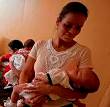 Investment
in global health is best way to save lives, say Bill and Melinda Gates Investment
in global health is best way to save lives, say Bill and Melinda Gates
In a joint speech to US policymakers this week, Bill and Melinda Gates
called for a global push to halve child deaths worldwide by 2025. They
made the case that US initiatives to fight AIDS, malaria, and other
diseases in poor countries are America's best investment for saving
lives. 30 Oct 2009
GE Launches $250m Healthymagination
Fund for healthcare technology ventures
GE's new equity fund will make investments in highly promising
healthcare technology companies globally that have innovative
diagnostic, IT, and life sciences technologies. 27 Oct009
TÜV Product Service extends medical
device testing service in UK
The TÜV Active Medical Device Service includes safety testing for the
first time and is responding to a surge in demand from UK customers
preparing for the 2012 third Edition of the Medical Electrical Equipment
Standard. 27 Oct 2009
Emergent BioSolutions sponsors
discussion on biopreparedness in Europe
Emergent BioSolutions Inc. has sponsored the Security and Defence
Agenda’s roundtable discussion, Raising Biopreparedness Levels in
Europe, which examined European efforts in preparing and reacting
to various biological threats and the potential for European cooperation
in these areas. 20 Oct 2009
Norway's aging population creating
impossible demand for hospital beds
SINTEF has estimated that the
health service in 2030 will need to employ every second young person in
the country and increase hospital bed capacity by 5000, which cannot be
achieved in the timeframe. 20 Oct 2009
GE's Developing Health Globally programme commissions
three
hospitals in Cambodia
The Developing Health Globally corporate citizenship program is aimed at
improving access to quality healthcare by addressing critical gaps in
existing developing-world healthcare facilities. 20 Oct 2009
Wellcome Trust and Merck launch
joint venture to develop affordable vaccines for low-income countries
The Wellcome Trust and Merck have created the MSD Wellcome Trust
Hilleman Laboratories, a first of its kind research and development
joint venture with a not-for-profit mission to focus on developing
affordable vaccines to prevent diseases that commonly affect low-income
countries. 9 Oct 2009
Blindness in Nigeria set to rise
40% — mostly preventable
By 2020, 1.4 million Nigerians over age 40 will lose their sight, and
the vast majority of the causes are either preventable or treatable,
according to the Nigeria National Blindness and Visual Impairment Study
Group. 5 Oct 2009
Cancer awareness scheme launched at
English football clubs
A new scheme launched today at five English football clubs will help
educate men about the symptoms and risks of ‘male’ cancers — prostate,
lung and bowel cancer — and encourage them to go to their doctor earlier
when they show the symptoms. 26 Sept 2009

METRC calls for project proposals
in the "science of everyday things"
METRC the N8 Molecular Engineering Translational Research Centre based
at Sheffield University, has launched its Autumn 2009 Proof of Concept
Funding Call for industry–academic partnership projects. Up to £50,000
is available for each project. 23 Sept 2009
Large differences in cardiovascular mortality and national prevention
policies across EU
Research from a three-year programme to analyse cardiovascular health
and prevention policies in 16 European countries shows heart disease
remains the leading cause of death in Europe but there are huge
differences in both national prevention policies and levels
of cardiovascular mortality between countries. 21 Sept 2009
US FDA approves four vaccines for
2009 H1N1 influenza virus
The US Food and Drug Administration (FDA) has announced that it has
approved four vaccines against the 2009 H1N1 influenza virus. The
vaccines will be distributed nationally after the initial lots become
available, which is expected within the next four weeks. 21 Sept
2009
World Alzheimer's Day: report shows
more than 35 million with dementia worldwide
Alzheimer's Disease International (ADI) has released a new report to
mark World Alzheimer's Day on 21 September 2009. It shows more than 35
million people will have dementia in 2010, a 10% increase over figures
reported in 2005, and a doubling nearly every 20 years. 21 September
2009
Does government do enough for SMEs?
The UK Chartered Institute of Marketing has launched its latest Agenda
Paper, Access all areas? which asks what kind of help does government
really offer SMEs. 19 Sept 2009
The Gambia launches national
vaccination campaign against child-killing disease
The Gambia has launched a national immunisation programme with the help
of the GAVI Alliance to eradicate pneumococcal disease, one of the
leading causes of child death worldwide. 1 September 2009
Francais
How to reduce the millions wasted
on purchases based on physicians' personal preferences
ECRI Institute has revealed some of the processes that hospital
administrators can implement to better manage the high cost of personal
preferences in a new white paper. 28 August 2009
Americans would embrace
comprehensive healthcare reform if properly informed
With polls pointing to a decline in public support for healthcare reform
in the US, new research shows that getting Americans more involved in
the debate is essential to swinging public opinion in its favour. 26
August 2009
1957-58 flu pandemic can provide clues to planning for current H1N1
outbreak
The Center for Biosecurity of the University of Pittsburgh Medical
Center (UPMC) has examined documents and
newspaper coverage related to the 1957-58 influenza pandemic to compare
the progress and severity of that outbreak and study the practical
actions taken that allowed the US to continue functioning with minimal
disruption. 17 August 2009
Dutch Center for Translational
Molecular Medicine completes €265 million funding
The funding, which was completed with the approval of a prostate cancer
research project, makes CTTM one of the largest public-private
partnerships in the world. 17 August 2009
World's population aging at
unprecedented rate
The average age of the world’s population is increasing at an
unprecedented rate. The number of people worldwide aged 65 and older is
estimated at 506 million as of mid 2008 and by 2040 it will reach 1.3
billion. 17 August 2009
UK parliamentary committee
criticises government for inadequate support for science and technology
The UK Government has reduced science to a political bargaining chip and
must raise its game to produce an ambitious science and engineering
strategy for the future, concludes an all-party committee of MPs in a
report published last month. 7 August 2009
Call for UN action to avert world's
fastest growing health threat: non-communicable diseases
The International Diabetes Federation (IDF), the International Union
Against Cancer (UICC) and the World Heart Federation (WHF) have called
on the UN’s Economic and Social Council (ECOSOC) to take immediate
action to avert the fastest growing threat by non-communicable diseases
(NCDs) to global health. 16 July 2009
UK life sciences sector applauds government's
Life Sciences Blueprint
The associations say that it provides an excellent basis for firmly
securing the future of the life sciences sector and re-establishing the
UK’s global competitive position. 16 July 2009
UK government launches strategy to put innovative
technology into health
services
The Office for Life Sciences (OLS) Blueprint sets out to transform the
UK environment for life sciences companies and ensure faster patient
access to cutting-edge medicines and technologies. 16 July 2009
EU project to assess the
cardiovascular and gastrointestinal risks of NSAIDs
The SOS project aims to assess the risk of cardiovascular and
gastrointestinal events among NSAIDs users to guide the selection of
NSAIDs that have minimal harmful side effects. 15 July 2009
Better estimates of A(H1N1) flu
virus severity needed, say experts
Accurate estimates of the severity of the new H1N1 virus, and in
particular how many deaths might arise over the course of the pandemic,
are central to healthcare planning over the coming months, say experts
in a paper published on bmj.com today. 14 July 2009
European project to assemble a
virtual human body to aid medical research
The Virtual Physiological Human (VPH) is a pan-European project that
aims to create a methodological and technological framework to deliver
patient-specific computer models for the personalised and predictive
healthcare. 6 July 2009
Poorer countries with no access to
antivirals in pandemic could use generic drugs to prevent deaths
Almost 90% of the world’s population will not have timely access to
affordable supplies of vaccines and antiviral agents in the current
influenza pandemic, but it is possible that inexpensive generic drugs
that are readily available, even in developing countries, could save
millions of lives. 29 June 2009
UK tops list of 213 countries at
extreme risk to spread of swine flu
A Warwick Business School professor and one of the founders of global
risks specialist, Maplecroft, has released three new maps and indices
revealing the countries most at risk from an influenza pandemic. 29 June
2009
Cancer screening fear is fuelled by
lack of information
Fear plays a major role in whether women decide to go for cancer
screening or not, but healthcare providers underestimate how much women
need to know and wrongly assume that they will ask for information if
they want it. 29 June 2009
sanofi-aventis donates 100m doses of
A(H1N1) flu vaccine to WHO
Sanofi Pasteur, the vaccines
division of sanofi-aventis
Group, will reserve 10 percent of its output for the WHO as a donation
to help address the influenza pandemic in developing countries. 18 June
2009
Edible silica tags could help
prevent counterfeiting of medicines
Cellular Bioengineering is developing a novel technology that can help
prevent counterfeit medicine and other consumables. The tags are made of
the highest purity silica, rendering them biologically inert and edible.
17 June 2009
WHO calls for health sector to lead
fight against climate change
The health sector can play a leadership role in reducing the magnitude
and consequences of global warming by reducing its climate footprint,
says WHO and Health Care Without Harm in a discussion paper. 17 June
2009
Impaired vision costs billions in
lost productivity worldwide
Nearly 158 million people globally suffer with vision impairment
resulting from uncorrected refractive error, which can usually be
eliminated with a pair of eyeglasses and an eye examination. 15 June
2009
Over 60% of US bankruptcies due to
medical problems
A survey of bankruptcy filers in the US shows that illnesses and medical
bills contribute to a large and increasing share of bankruptcies. 15
June 2009
Leading NGOs call for international
action to combat global epidemic of non-communicable diseases
The International Diabetes Federation (IDF), International Union Against
Cancer (UICC) and World Heart Federation (WHF) have jointly called on
the international community to address urgently the epidemic of
non-communicable diseases (NCDs), responsible for 35 million deaths a
year. 10 June 2009
European experts launch think tank for chronic
fatigue syndrome
Ten leading scientists in Europe have formed a Think Tank for ME and
will hold their first meeting on the 13th of June. They want to initiate
an effective research effort to find the secret behind the mystery
disease that cripples an increasing number of lives. 10 June 2009
Cost of medical technology only small part of national health costs
and rising slowly
A study by AdvaMed of the costs of medical technology in the US has
found
that it rose only slightly as a percentage of national health
expenditure from 5.4% in 1989
to 6.2% in 2006, despite huge technological advances. 8 June 2009
European medical technology sector
weathering storm but expecting tougher times
A recent survey by Eucomed of medical technology manufacturers across
Europe has found that the recession was having a significant negative
impact on only 20% of the companies. 8 June 2009
Deutsch
Francais Español
Diabetes care not improved by pay
incentives for primary care doctors
The care of patients with diabetes in the UK has improved over the last
decade, but this does not seem to be a direct result of the Quality and
Outcomes Framework — the scheme that rewards UK general practices for
delivering quality care. 5 June 2009
University of Hertfordshire to host
international symposium on the future of medical technology
The International MedTech Symposium hosted by the University’s Medical
Technology Innovation Centre (MTIC) will bring together opinion leaders
from industry, government, academia and finance to examine the future of
the MedTech industry. 3 June 2009
European online obesity survey
launched
With excess weight and obesity increasing across Europe at an alarming
rate, the online survey seeks to understand to what degree this is of
concern to European citizens and what steps we think should be taken to
address this pressing issue. 28 May 2009
Español
Deutsch
Francais
Italiano
Reducing chronic diseases critical
to US economic recovery and healthcare reform
The second annual Almanac of Chronic Disease published by the US
Partnership to Fight Chronic Disease (PFCD) highlights the factors
making up the US$1.7 trillion cost to the US economy of treating chronic
diseases. 28 May 2009
Developed world neglects diarrheal
diseases that kill 1.6 million children
PATH and WaterAid America have released two new reports that show that
the international aid community and developing-country governments are
not responding to clear evidence on child mortality by targeting
resources where the disease burden is greatest. 27 May 2009
Institute for OneWorld Health in
collaboration to fight neglected diarrheal diseases
The US-based non-profit pharmaceutical company has successfully
completed its first screening campaign of the Roche proprietary compound
library and will select up to 40 new drug leads for further study
intended to identify a new treatment for childhood diarrhea. 28 May 2009
Generic pharmaceuticals saved US
healthcare $734 billion over last decade
The use of generic pharmaceuticals saved the American healthcare system
more than $734 billion from 1999-2008, with approximately $121 billion in
savings in 2008 alone, according to a report published by the Generic
Pharmaceutical Association. 19 May 2009
Early findings on development of
Mexican swine flu reported in new study
An international team including World Health Organisation and public
health agencies in Mexico, have found that the outbreak data so far is
very consistent with the early stages of a pandemic and the strain of
influenza is as lethal as the 1957 pandemic. 13 May 2009
Imperial College to build £99m health
science centre in London
A new centre will will form a key part of the Academic Health Science
Centre, which is a unique partnership between Imperial College London
and Imperial College Healthcare NHS Trust that aims to bring new
therapies and treatments to patients much more quickly than ever before.
13 May 2009
Warning over 6-month time lag to
develop pandemic flu vaccine
Research from the University of Leicester and University Hospitals of
Leicester NHS Trust warns of a six-month time lag before effective
vaccines can be manufactured in the event of a pandemic flu outbreak. 11
May 2009
GE expands developing health globally
program to Cambodia
GE has announced that it is expanding its Developing Health Globally
program to include six sites in Cambodia and is donating ultrasound
equipment, mobile x-rays and patient monitors to Cambodia’s Ministry of
Health for distribution to 23 public health facilities. 11 May 2009
Hospital infection control will be
critical in preventing spread of swine flu
The severity and extent of the current swine flu outbreak (now
officially named influenza A(H1N1) by WHO) are unknown, but the SARS
outbreak (severe acute respiratory syndrome) in 2003 taught that
rigorous infection control in hospitals may be key to limiting deaths
from any disease outbreak. 1 May 2009
Preparing for pandemic flu — guides
for families, businesses, healthcare providers
Trust for America's Health (TFAH) has re-issued its series of It's
Not Flu As Usual guides on pandemic flu preparedness for families,
businesses, medical providers, and community groups. The guides are
applicable to all countries. 1 May 2009
Swine flu could be a disaster for weak
public health systems in developing countries
A potential spread of swine flu to developing countries without adequate
means to track the outbreak or to treat those infected could prove
disastrous, says humanitarian agency World Vision. 1 May 2009
European Association of Urology position statement on screening for
prostate cancer
Based on the results of the European Randomised Study for Screening
of Prostate Cancer (ERSPC), the EAU has formulated a position statement
regarding prostate cancer screening in Europe, and the subsequent
actions to be taken by health professionals and health authorities. 24
April 2009
Tide turns in fight to stop European
Commission restricting use of MRI scanners
Further pressure has been applied to the European Commission to amend
the Physical Agents (EMF) Directive which, if adopted into national
legislation, would drastically curtail the use of MRI scanners in
hospitals and research centres across Europe. 24 April 2009
Deutsch
Dutch Consortium builds registry for care
of rare diseases
The Dutch Orphan Disease Registry Consortium is building a disease registry
framework to collect information on rare diseases, encourage drug
development and optimize patient care. The consortium focuses on inborn
errors of metabolism as a target group of diseases. 22 April 2009
Yorkshire attracts major investment in
healthcare technologies
The Yorkshire and Humber region in northeast England has accounted for
nearly 10% of first-round investments in healthcare technology in the UK,
according to figures revealed at the launch of a new Access to Finance
programme for local healthcare technology companies. 2 March 2009
EU project to study impact of nanomedicine on healthcare
The EU-funded NANOMED project aims to look at all aspects of
nanomedicine and provide an objective answer to claims that this rapidly
evolving field will change the face of healthcare forever. 25 February
2009
Diabetes in UK increases 74% over six
years
The numbers of new cases of diabetes in the UK rose 74% between 1997 and
2003. The rate of increase is now higher than in the US. 24 February 2009
NHS medical device training goes online
A ground-breaking project is being launched in the UK to create a National
Health Service (NHS) e-learning platform for medical devices, including a
library of both generic and detailed training. 22 February 2009
Rotary members worldwide prepare for mass
polio-immunization campaigns
Hundreds of Rotary club members from the United States, Canada, Australia,
Denmark, Italy, Korea, the UK and the Caribbean will join thousands of their
fellow Rotary members , other volunteers and health workers over the next
few months to immunize children against polio in India and Nigeria. 16
February 2009
Public health approach needed to win the
war on cancer
Smoke-free laws and other proven methods are an essential component of the
public health approach to preventing cancer, according to an article
published in The Oncologist. 31 January 2009
Canada to enforce world's first mandatory
reporting on engineered nanomaterials
The Canadian government reportedly is planning to release in February the
world's first national regulation requiring companies to detail their use of
engineered nanomaterials, according to environmental officials. 31 January
2009
Boston Scientific and Medtronic reach
agreement over patent disputes
Boston Scientific Corporation and Medtronic, Inc.have announced the
settlement of two lawsuits and an agreement to stand down in three others.
31 January 2009
US$630 million drive to eradicate polio by
Gates foundation, Rotary, UK and Germany
Rotary International, the Bill & Melinda Gates Foundation, and the UK and
German governments have committed more than US$630 million in new funds to
fight polio, a crippling and sometimes fatal disease that still paralyzes
children in parts of Africa and Asia and threatens children everywhere. 31
January 2009
 Malaria
diagnostic test on a card gives hope for developing countries Malaria
diagnostic test on a card gives hope for developing countries
Researchers at the University of Washington have developed a prototype
malaria test printed on a disposable Mylar card the size of a credit card.
The key to the test is not only miniaturised lab-on-a-chip technology, but
also the use of sugar to keep the dried reagent viable for months without
refrigeration. 26 January 2009
UK healthcare technology companies
urged to tap into growing Middle East markets
UK Trade & Investment (UKTI) and the Association of British Healthcare
Industries (ABHI) are urging UK healthcare technology businesses to
capitalise on demand in the fast growing Middle East market. 23 January 2009
Call for nanoscale food-additives to
undergo new testing for safety
Nanotechnology policy experts in the US are urging that food additives that
contain nanoscale materials be subject to new safety testing to ensure that
their use does not pose unintended risks. 12 January 2009
Alfred P Sloan Foundation funds studies
on societal issues of synthetic biology
The Alfred P Sloan Foundation has launched a new initiative to study the
societal issues associated with synthetic biology — a rapidly developing
scientific field where researchers are constructing novel organisms from the
building blocks of DNA. 12 January 2009
World hunger crisis spiralling out of
control
The United Nations World Food Program (WFP) has urged countries to step up
and urgently allocate funds for the world's poor. Warehouses will run out of
food by March — for school children alone it needs to feed 59 million
children. 9 January 2009
Hospitals pump $18bn into New Jersey
economy
Hospitals in New Jersey hospitals are a key economic engine for the US
state, providing more than 113,000 full-time jobs, $7 billion in employee
salaries and more than $18 billion in total spending, according to the New
Jersey Hospitals 2008 Economic Impact Report. 9 January 2009
UK NanoKTN supports EC's €1.8bn investment in ICT research
The UK Nanotechnology Knowledge Transfer Network (NanoKTN) has announced its support for the €1.8bn that has been made available
for research projects by
the European Commission, through their Information Communications
Technology (ICT) fund. 9 January 2009
Cheap reliable diagnosis for
tuberculosis urgently needed
TB kills 2 million a year in developing countries and the threat of TB
outbreaks even in Europe and North America costs these countries hundreds of
millions of Euros to control every year. Yet the immediate, solvable
challenge in TB is simply to diagnose the disease quickly and simply with
robust, fully-tested kits. 8 January 2008
Economic stress and healthcare costs
causing ill health in US
A survey by AARP, the US membership organisation for the over 50s, has found
that the economic recession is affecting people's health and that
difficulties in paying for healthcare are adding to the problem. 6 January
2009
EU legislation
threatens use of MRI scanners
Urgent action and public pressure is still required to stop the
European Union adopting legislation which will restrict the use of magnetic
resonance imaging (MRI) scanners throughout Europe, according to the UK's
Institute of Physics. 22 December 2008
German hospital finance reform improves
access to medical technologies
The German parliament has paved the way for the use of more innovative
medical technologies with the passing of the Hospital Financing Reform Act.
19 December 2008
Canadian Supreme Court upholds selection
patents
The Canadian Supreme Court’s unanimous decision to uphold selection patents
earlier this month helps keep the biotechnology sector competitive as it
seeks international investment during these difficult economic times, says
BIOTECanada, an intervener in the case. 20 November 2008
UK Royal Commission calls for more safety
measures for nanotechnology materials
A new report by the UK's Royal Commission on Environmental Pollution (RCEP)
says that there is an urgent need for more testing, extending existing
governance arrangements and creating new arrangements to control the
development of nanomaterials. 12 November 2008
Healthy bones program reduces hip
fractures by 37%
Proactive measures can reduce hip fracture rates by an average of 37.2% —
and as much as 50% — among those at risk, according to a study conducted by
Kaiser Permanente Southern California. 10 November 2008
People with chronic diseases are often
unaware of their health status
A screening of 65,000 people across the US showed that many people, despite
knowing that they have a chronic disease, such as diabetes or asthma, may
not understand the extent or seriousness of their health problems. 5
November 2008
Médecins Sans Frontières prevented from
treating refugees in Italy
Médecins Sans Frontières medical teams have been forced to stop providing
medical care to refugees at the harbour of the Italian island of Lampedusa
after the Italian Interior Ministry refused to sign a new Memorandum of
Understanding. 1 Nov 2008
Gates Foundation invests in 104
unconventional approaches to solving global health problems
The Bill & Melinda Gates Foundation has awarded 104 grants to explore bold
and largely unproven ways to improve global health. The grants of US$100,000
each, announced in Bangkok this week, will be made to scientists from 22
countries and five continents. They mark the first round of funding from
Grand Challenges Explorations, an initiative to help lower the barriers for
testing innovative ideas in global health. 24 October 2008
International effort to study role of body microbes in human health
and disease
Scientists from around the globe have formed the International Human Microbiome Consortium (IHMC),
which will co-ordinate research to characterize the relationship of the
human microbiome in the maintenance of health and in disease. 23 October
2008
 Pandemic
flu models help determine food distribution and school closing strategies Pandemic
flu models help determine food distribution and school closing strategies
The 1918 flu pandemic killed more than 40 million people worldwide and
affected persons of all age groups. While it is difficult to predict when
the next influenza pandemic will occur or how severe it will be, researchers
at the Georgia Institute of Technology have developed models to help
organisations such as emergency services and education authorities prepare
emergency response plans. 16 October 2008
A third of diseases in developing
countries are potentially treatable by surgery
Researchers from Columbia and Cornell Universities (NY) have been studying
whether patients in poor countries suffering from certain medical conditions
could benefit from surgical treatment. The results of the study could
potentially lead to the implementation of surgical infrastructure in
countries where none currently exists. 16 October 2008
 International
Diabetes Federation launches diabetes awareness campaign International
Diabetes Federation launches diabetes awareness campaign
The International Diabetes Federation is calling on groups and individuals
worldwide to get involved in activities to raise awareness of diabetes
leading up to World Diabetes Day on November 14. The theme for this year’s
campaign is “Diabetes in Children and Adolescents.” 29 September 2008
UK technology board invests £15m in
medical device and telecare R&D
The UK Technology Strategy Board has awarded grants of £5 million for nine
projects to research and develop telecare products and a further £10 million
for 22 projects developing new medical devices. The projects will bring
together the best UK expertise from industry, the health and care
professions and universities. 23 September 2008
War against malaria in the tropics failed partly due to poor advice
The war against malaria in tropical countries was fought and lost in
the 20th Century on the basis of faulty intelligence, a ‘dodgy dossier’
which argued that the same methods used to tackle the disease in
temperate countries would also work in the tropics. 18 September 2008
UK medical technology industry body
announces new chief executive
The Executive of the Association of British Healthcare Industries (ABHI) has
announced the appointment of Peter Ellingworth as its new Chief Executive.
He replaces John Wilkinson, who left to take over as Director General of
EUCOMED earlier this year. 11 September
Call to make sudden cardiac arrest a
national health priority in USA
The US National Medical Association (NMA) has called for changes in the
prevention and treatment paradigm for sudden cardiac arrest (SCA). It has
released a white paper that outlines directives for elevating SCA to a
national health priority and bringing it to the forefront of the policy
discussion. 13 August 2008
Sony supports Operation Smile
Sony Electronics is helping the worldwide children's medical charity
Operation Smile as part of a promotion for a new camera range. 13 August
2008
American diabetics fight for right to
continuous blood glucose monitors
A group of American diabetics has launched a campaign to get insurance
companies to allow claims for continuous glucose monitoring systems. 3
August 2008
Scottish study shows smoking ban reduces
hospital admissions for heart attacks
NHS Health Scotland, the national health improvement agency, has found a 17%
fall in admissions for heart attacks just one year after a national smoking
ban came into force. 31 July 2008
Benefits of minimally invasive technology
debated at UK parliamentary meeting
A cross section of members of parliament, clinicians and patient groups came
together in London last week to debate the benefits of minimally invasive
technology (MIT) at a parliamentary reception. 22 July 2008
Global action against neglected tropical diseases
The WHO Strategic and Technical Advisory Group on Neglected Tropical
Diseases (STAG-NTD) has released a report of its recommendations to the
World Health Organization (WHO) on action to take over neglected tropical
diseases resulting from its meeting in April. 16 July 2008
IHA to assess value of medical devices and
improve use
The Integrated Healthcare Association (IHA) of California has been awarded a
$1.3m grant to implement statewide collection of comparative data, evaluate
purchasing and payment systems, and develop a new episode-based payment
method for medical device purchasing. 6 June 2008
Lung cancer in Europe not prioritised
despite poor survival rates
The fragmented organisation and management of lung cancer diagnosis and care
in many European countries are exacerbating already poor survival rates
amongst patients with the disease, according to a report from a group of
leading Swedish researchers. 6 June 2008
International Diabetes Federation to set
up global framework for diabetes education
The International Diabetes Federation (IDF) will begin designating centres
of education globally to improve clinical outcomes, care and knowledge of
healthcare providers and people with diabetes. IDF is calling for
applications from institutions and member organisations that have a
recognised reputation in health professional education. 6 June 2008
UK
Health Protection Agency to study health effects of MRI scanners
The UK Health Protection Agency has announced its intention to study the
potential harmful effects on patients and medical staff of the high magnetic
fields generated by magnetic resonance imaging machines.22 May
2008
Call for European action to combat heart
disease
A Call for Action encouraging European countries to develop national
strategies to combat 4.3 million deaths and economic loss of
€192 billion annually from heart disease
has been issued by the Joint European Societies on Cardiovascular Disease
Prevention. 29 April 2008
Workshops on FDA medical device
inspections outside US
The United States Food and Drug Administration (FDA) is holding two
workshops in Europe to help medical device companies prepare for an FDA
inspection. 11 April 2008
Clinical trials have major deficiencies in
design and funding
There are major shortcomings in the way clinical trials are designed,
carried out and funded in the US. These include the exclusion or
under-representation of women, older people and minorities and insufficient
training in disparities for members of institutional review boards. 7 April
2008
Dutch molecular medicine institute
allocates €150m for disease research
The Center for Translational Molecular Medicine (CTMM) in Eindhoven has
awarded €150 million of funding for nine
research projects directed at the most prevalent diseases in the
cardiovascular area, cancer and neurodegeneration.
Better primary care for elderly could
reduce hospitalisation by 50%
An efficient response from primary care would reduce hospitalisation of
people over 60 by more than 50%, for cases caused by the most common
illnesses in the older population, according to a study by researchers at
the University of Granada. 31 March 2008
Global pledge to avert 388 million deaths
from chronic diseases
A group of leading international health experts and activists, the Oxford
Health Alliance, has launched a call to action to confront the global
explosion of chronic diseases which will claim 388 million lives in the next
decade. 10 March 2008
US representatives call for more funding
for prostate cancer research
Prostate cancer has become more common than breast cancer, yet advanced
diagnostic imaging technologies comparable to mammograms remain unavailable.
Over 20 US representatives have urged the US Department of Health and Human
Services and National Institutes of Health to urgently fund research into
the disease. 18 February 2008
European Commission sponsors study on
regulating nanotechnology in the EU and US
The EC has awarded US$587,000 to a group of US and UK institutes, headed by
the London School of Economics and Political Science, to compare
nanotechnology regulation in the EU and US and assist a unified approach to
regulation. 18 February 2008
US offers industry voluntary submission of
nanotechnology hazards
Industry, non-governmental organizations and other groups in the US can
voluntarily submit safety data on engineered nanoscale materials under the
US Environmental Protection Agency (EPA) plan for the Nanoscale Materials
Stewardship Program under the Toxic Substances Control Act (TSCA). 1
February
UK strategy to improve cancer services
The UK government has published a five-year cancer strategy focussing on
prevention and improving services. The report identifies the need to tackle
the serious shortage of radiotherapy capacity and radiographers, delays in
uptake of new cancer drugs and the need to encourage the spread of improved
surgical techniques. 15 January 2007
Harvard's top 10 health stories of 2007
Drug safety, genome science and sleep are among the top ten health issues of
2007 chosen by the editors of Harvard Medical School's Harvard Health
Letter. 17 December
Public safety at risk from FDA's lack of
resources to keep up with scientific advances
A new report on the state of the US Food and Drug Agency (FDA) says that the
safety of the nation is at risk from the inability of the Agency to keep up
with advances across a wide range of scientific fields. 17 December
World Bank report says TB control would
lead to massive economic gain for poor countries
A World Bank study has found that 22 countries with the world’s highest
numbers of TB cases could earn significantly more than they spend on TB
diagnosis and treatment if they implemented a global plan to sharply reduce
the numbers of TB-related deaths. Highly affected African countries could
gain up to 9 times their investments in TB control. 12 December
Ineffective action in controlling TB
causing 1.6 million deaths each year
TB is treatable, but inadequate action by governments worldwide is leading
to escalating cases of drug-resistance, of which only 2% are treated. TB is
an avoidable human tragedy of 9 million infected people and 1.6 million
deaths each year. 12 December
Berlin future fund grants €16m to medical
engineering projects
The Technologiestiftung Berlin (TSB) has granted €2.2m to develop a new
marker for use in diagnosing strokes. It is the eighth medical engineering
project supported by the Fund and brings the total granted in this area to
€16m. 6 December
 Diabetes
communities unite to celebrate World Diabetes Day November 14 Diabetes
communities unite to celebrate World Diabetes Day November 14
Diabetes currently affects 246 million people globally. For all of them and
the many millions more at risk, November 14, 2007 is a highly significant
date as it marks the first United Nations-observed World Diabetes Day. 13
November Reducing the environmental
impact of medical technology at Siemens
Siemens Medical Solutions systematically improves the impact of its products
and systems on people and the environment. As a result, new computed
tomography systems consume 30% less energy, contain 80% less lead and
generate up to 58% less radiation than previous systems. 22 October
World ill-prepared to cope with
catastrophic impact of flu pandemic
The impact of a flu pandemic is likely to exceed what most corporate and
governmental leaders have imagined, or are prepared for, according to a new
report. A long-lasting pandemic is not only likely to happen, but overdue. 9
October
Up to 98% of hepatitis C in Europe goes
undiagnosed
A report released today by the Eurasian Harm Reduction Network (EHRN)
highlights the significant inconsistencies that exist in hepatitis C (HCV)
diagnosis and treatment across Europe and beyond. In recognition of World
Hepatitis Awareness Day, patient groups around the globe are united in their
call for action. 1 October 2007
European Directive on radiation exposure
will ban MRI scans
European Directive aimed at minimising exposure to radiation will prevent
the use of MRI scanners, according to Professor Dag Rune Olsen of the the
Norwegian Radiation Hospital, Oslo. 27 September
1.5 million unnecessary child deaths from
diarrhoea
Diarrhoea is still one of the most common reasons for the high child
mortality rates in many low and middle-income countries despite two decades
of global efforts to control it. One fifth of all the deaths amongst
children under the age of five that are reported every year are caused by
serious diarrhoea. 17 September
US FDA lacks resources to regulate
nanotechnology
The US Food and Drug Administration (FDA) has released a report recommending
action to address the benefits and risks of nanotechnology. But according to
the Project on Emerging Nanotechnologies the agency has been under-resourced
for decades and there is a lack of risk-research data on nanotechnology for
the agency to be able to carry out the recommendations. 21 August 2007
US environment agency criticised for lack
of action on health risks of nanomaterials
The US Environmental Protection Agency's voluntary Nanoscale Materials
Stewardship Program has been labelled "too little, too late" by
Environmental Defense. 14 August 2007
Rapid action in the community can prevent
deaths during pandemic
A study of the 1918-1919 influenza pandemic has shown that early
intervention to isolate infected people slowed down the spread of the
disease and saved lives, according to a new study based on public records
from the time. 9 August
WHO launches US$2.15 billion plan to
contain extensively drug-resistant tuberculosis
The World Health Organization (WHO) and the Stop TB Partnership have called
for urgent investment worldwide to boost the ability to contain the threat
of extensively drug-resistant tuberculosis (XDRTB). They have launched
an action plan to help prevent hundreds of thousands of cases of the disease
and save up to 134 000 lives. 3 July 2007
UK businesses unprepared for severe
disruption from flu pandemic
Most companies in the UK have inadequate plans to protect their businesses
in the event of loss of staff during a flu pandemic even though most
recognise they will suffer significant financial loss, according to a recent
survey. 18 June 2007
GE Healthcare donates used medical
equipment to International Aid for use in developing countries
GE Healthcare has formed a partnership with International Aid to supply a
range of used medical equipment and training of staff. International
Aid will refurbish and distribute the products overseas and will also
provide education and product support. 14 June
Growing Alzheimer’s epidemic could cripple
healthcare
The rapidly increasing number of people suffering from Alzheimer’s disease
could cripple healthcare services in the next few decades. In 2006, 26.6m
people were suffering from Alzheimer’s disease worldwide and could rise to
100m by 2050. 11 June 2007
Call for mass screening in Europe to
prevent 200,000 deaths from colon cancer
Leading European scientists, physicians and politicians have called for
national action plans across Europe to screen for colon cancer and prevent
the 200,000 unnecessary deaths each year. Virtually all colon and rectal
cancers can be either prevented or cured, yet little effective action has
been taken since screening was recommended in 2003. 19 May 2007
Español
Francais
The effects of climate change on health in
the UK
The UK Department of Health and Health Protection Agency have published an
updated report on the
Health Effects of Climate Change in the UK. The Department is asking
for comments up to mid June, before final publication. 13 May 2007
Report on developing radiotherapy services
in England
The report says there is still a need to increase services to meet current
and future demand, there should be greater choice and there is a need for
more community-based services. 17 May 2007
Call for international action on biggest
epidemic in human history — diabetes
The International Diabetes Federation (IDF) is calling for urgent action to
counter the diabetes pandemic, which is threatening to overwhelm global
healthcare services. There are 246 million people with diabetes now and 4
million die from it every year. It is likely to bankrupt national economies.
4 May 2007 Español
Francais
Deutsch
Groundbreaking study shows hospital
investment in IT does reduce costs
A two-year long study by PricewaterhouseCoopers and the Wharton School of
Business of the use of information technology in US hospitals provides the
strongest evidence that the investment does pay for itself, but it has to be
comprehensive and given enough time to work. 3 April 2007
Lack of transparency in healthcare raises
costs and prevents innovation
A new study from the US National Center for Policy Analysis (NCPA) has found
that the lack of real competition for patients has a profound effect on the
cost and quality of healthcare. It also found legal, regulatory and cultural
barriers barriers to competition, innovation and transparency. 28 March 2007
Sweden donates US$42m to GAVI Alliance for
child immunisation in poorest countries
The SEK 300 million (US $42 million) donation from the Swedish International
Development Agency (SIDA) reflects the country's long-term commitment to
global health and poverty eradication goals. 14 February 2007
Deutsch
Español
Francais
Healthcare products should be chosen for
quality not price, say German hospital directors
German medical technology companies and sickness funds agreed that competing
on product quality is better than a price-based economy in the BVMed's
January conference on German health reforms. 7 Feb 2007
Call for masterplan for German health
economy
A cross-party "Masterplan for the health economy" is needed in Germany, with
innovative medical technologies playing a key role, according to BVMed. 7
Feb 2007
Global public health network funded by $20
Million Gates Foundation grant
The Bill & Melinda Gates Foundation has awarded a five-year grant of nearly
$20 million to Emory University and Finland's National Public Health
Institute, KTL (Kansanterveyslaitos) to support the International
Association of National Public Health Institutes
(IANPHI). 18 Jan 2006
Adoption of new technology needs to be
evidence-based to reduce health care costs
Advances in medical technology are a main factor driving the trend of
increasing health care costs. Including evidence-based decision-making in
the healthcare coverage process would ensure that use of new therapy and
technology is tied to evidence of clinical benefit. 11 Jan 2006
Nanotechnology safety in workplace
neglected
Little is known about the potential risks of nanotechnology even though
there are more than 400 products on the market. A strategic plan and more
resources for risk research are needed now in order to ensure safe nano-workplaces.
9 Jan 2007
Indian in vitro diagnostics market
surpasses $250 Million in 2006
A new study from Kalorama Information, Clinical Diagnostics in India,
estimates in vitro diagnostics (IVD) revenues topped $250 million in 2006
and will show double-digit growth rates over the next three years. 4 Jan
2007
Financing sustainable healthcare in
Europe: how to get value for money
Leading healthcare, policy and finance experts have developed a range of
recommendations to improve healthcare quality and financing in Europe. 18
December 2006 Español
Francais
Deutsch
Point-of-care diagnostics market to
surpass $16bn worldwide by 2010.
The demand for reduced costs and decentralized diagnostic testing in the US
is driving the market, according to research from Kalorama Information. 18
December 2006
Medtech companies need risk intelligence
to survive and thrive
Medtech companies face demands from many quarters, including business,
government, legal and medical. To manage all these needs, companies need
risk intelligence, according to a new white paper from Deloitte & Touche LLP.
18 December 2006
Pre-hospital care in Lund, Sweden doubles
survival rates for sudden cardiac arrest. 8 Dec 2006
Francais
Deutsch
Español
Top US health industry trends of 2007
Pressure on pricing amid demand for transparency will force pharmaceutical
companies, hospitals and health plans to rethink their strategies. This is
one of the top issues identified by PricewaterhouseCoopers' Health Research
Institute in a new report. 8 Dec 2006
Advance Nanotech joins EC's FLUTEST avian
flu project
Advance Nanotech joins a consortium of elite government labs in Europe,
South Africa, and the USA to develop, evaluate and validate diagnostic tools
to aid in the early detection of avian influenza. 7 Dec 2006
Falls become leading cause of injury
deaths for over-65s
Fall-related death rates for men and women 65 years and older increased
significantly from 1993 to 2003 in the USA, according to a report from CDC.
In 2000, the direct medical costs for falls among older adults were
approximately $19 billion.
World Diabetes Day — 14 November
In almost every country of the world, diabetes is on the rise. The current
number of people with diabetes stands at over 230 million. The disease is a
leading cause of blindness, kidney failure, amputation, heart attack and
stroke. It is one of the most significant causes of death, responsible for a
similar number of deaths each year as HIV/AIDS. 14 Nov 2006
Español
Deutsch
Francais
UK to move minor operations and tests out
of hospitals into GP practices
As part of a major UK policy change designed to cut hospital stays and
reduce costs in the NHS, the UK will conduct a nationwide wave of
demonstration projects that could pave the way for the NHS to carry out
millions more operations and tests at the doctor's surgery instead of in
hospitals. 31 October 2006
FDA will be overstretched by need to
monitor medical nanotechnology
Developments in medical nanotechnology are advancing at such a rate that the
US regulatory body, the Food and Drug Administration is unlikely to be able
to cope with the requirements to monitor them, according to a new report. 12
Oct 2006
Pro-active approach to introducing medical
innovations needed — BVMed innovation forum. 15 Sept 2006
 The
ethics and politics of nanotechnology The
ethics and politics of nanotechnology
UNESCO has published a report that assesses the ethical, legal and political
aspects of nanotechnology. It outlines what the science of nanotechnology
is, and presents some of the issues facing the international community in
the near future. 8 August 2006
Global harmonization of regulations for
medical devices
The 10th annual Global Harmonization Task Force1 (GHTF) Conference was held
last month in Germany to discuss "Design for Patient Safety in a Global
Regulatory Model". 27 July 2006
Deutsch
First electronic record products certified
for use in USA
The first round of ambulatory electronic healthcare record products (EHRs)
have been certified by the US Certification Commission for Healthcare
Information Technology (CCHIT). This removes a significant barrier to
widespread adoption of electronic health records in the USA. 25 July 2006
Disparity in efficiency of healthcare
financing in western countries
A new research paper from Siemens Financial Services, entitled Healthcare
Affordability — The Global Challenge highlights the need for efficient
use of capital in Western world healthcare systems. 13 July 2006
Media relations increasingly important to
medical device companies
An online survey of 90 companies carried out by BVMed found that the sector
needs to make better use of the media and manage their communications more
effectively. 8 June 2006
Successful medical device companies use
CRM and KM
A new strategy review from HBS Consulting concludes that poor information
and cumbersome processes can seriously hamper the sales and service
operations of medical device companies. Success is achieved by effective use
of customer relationship and knowledge management systems. 7 June 2006
Tom Cruise Ultrasound Bill should ban
keep-sake scans, says ACR
The American College of Radiology (ACR) has applauded the California
Assembly for passing the "Tom Cruise law," which would prohibit the sale of
diagnostic ultrasound equipment to anyone but appropriately licensed health
care providers. It also urges the California Senate to include the
prohibition of sale to foetal keepsake studios. 25 May 2006
Millions squandered in unnecessary medical
tests
A study of preventive health screening measures such as ECGs, X-rays and
laboratory tests has shown that unnecessary tests are costing the U.S.
health care system millions — and potentially billions— of dollars per year.
25 May 2006
Legal simplification for medical devices
in Germany and the EU
The German parliament will amend the restrictive Medical Devices Act and the
simplification strategy of the EU Commissioner aims to cut legal red tape
for medical devices. 18 May 2006
Uptake of doctors’ ideas is an important
factor for success in medical technology.
The importance of proper use of doctors’ ideas for new medical technologies
and procedures was made clear at the BVMed special conference in Munich. 18
May 2006
German law hinders use of medical devices
German medical device manufacturers and healthcare providers have demanded a
clarification of the legal conditions for the adoption of medical technical
aids into the medical technical aids register. 11 May 2006
Industry and government leaders to analyse
EU medical device regulations
Top-level European government and industry leaders will meet to dissect
European policy on health product innovation at a regulatory affairs
conference in Portugal in June. 6 May 2006
Improvements in patient-safety depend on
culture change
A new study of six innovative patient-safety programs found that building a
safety culture into healthcare organisations required both revamped clinical
practices and “social engineering" to bring about cultural change. 20 April
2006
New Georgia Tech research institute in
Ireland to focus on medical devices and RFID
The Georgia Tech Research Institute (GTRI) will establish its first research
enterprise outside the USA in Athlone, Ireland to focus on research and
development needs of industry. It plans to build up a portfolio of research
programs and collaborations with industry valued in excess of $24 million.
26 March 2006
Anton J. Schmidt re-elected chairman of
BVMed board
Anton J. Schmidt, executive chairman of Ethicon GmbH, was re-elected as
BVMed chairman of the board at the German Medical Technology Association’s
annual general meeting in Berlin. He has headed the association since March
2004. 24 March 2006
EU should invest more in medical
technology to benefit economies
EU Member States should invest more in innovative medical technology and
diagnostics, as this will increase efficiency in healthcare and reduce the
burden on society of disease and disability, according to Eucomed and EDMA.
24 March 2006
First HIV/AIDS medical centre for children
opened in Swaziland
Operated by Baylor College of Medicine, Houston, TX, in partnership with the
government, it is funded by Bristol-Myers Squibb's Secure the Future
philanthropic initiative. It is the third such centre built under the
initiative. 3 March 2006
Swedish association of medical device
suppliers changes name to Swedish Medtech. 2 March 2006
Setting targets improves NHS performance
in England but can cause problems
The star rating system for English NHS trusts seems to have improved
performance, but systems need to be put in place to minimise gaming and
ensure targets are not causing problems elsewhere, according to an article
in the British Medical Journal (BMJ). 24 February 2006
Circulatory support system gains German
approval for reimbursement
The governmental authority for healthcare charge reimbursement in Germany
(InEK) has granted the highest approval level available for Abiomed's
Impella Recover devices. 7 February 2006
German government initiatives to boost use
of IT in healthcare
Expenditure on healthcare IT in Germany represents a paltry 0.5% of total
healthcare outlays — an extremely low proportion compared to other developed
countries. However, the pursuit of a more integrated healthcare IT policy,
government initiatives and new reimbursement structures are set to boost
demand for healthcare IT in Germany. 5 February 2006
Technology adoption easier for German
hospitals
The processes for the introduction of medical technology innovations in the
German hospital flat-rate reimbursement (DRG) system have been significantly
improved and accelerated. 1 February 2006
European doctors embracing Internet
technology and mobile devices
A survey of European doctors has found over 80% use the Internet and
electronic records, and two thirds use handheld mobile devices. 30 January
2006
New website for global health data
GlobalHealthFacts.org is a new and freely accessible website with the latest
country and region-specific data on high-profile diseases such as HIV/AIDS,
tuberculosis, malaria and other key health indicators. 17 January 2006
Une nouvelle ressource accessible
sur le Net facilite l'accès aux données mondiales de santé. 17 janvier
2006
Health technology assessment in Europe
The World Health Organization has produced a policy brief on: Health
technology assessment: an introduction to objectives, role of evidence, and
structure in Europe. 15 January 2006
European e-health initiatives boost
virtual private networks
The European healthcare segment offers exciting growth potential for
information and communication technologies (ICT) service providers and
equipment vendors. Uptake will particularly impact areas such as patient
data, security, telemedicine technologies and hospital administration. 15
January 2006
Document: Medical Technology in Germany — Opportunities and Risks through
Technological Innovation Repercussions of and for the National Health
System, as well as Potential Growth Markets Abroad.
Research project on behalf of the Ministry of Economics and Labour. Berlin,
August 2005. Download
Summary (191K PDF) in English.
German Federal Ministry of Economics and Technology publication page.
Rise in number of older people living
independently in UK
More older people are getting the help they need to live independently,
according to a report published by the UK Health and Social Care Information
Centre. 8 January 2006
Broadband for elderly and disabled could
generate billions for economy and cut care costs
A report by the US New Millennium Research Council shows that accelerated
broadband deployment to older Americans and people with disabilities could
deliver hundreds of billions of dollars to the economy in potential health
care savings and other major benefits. 21 December 2005
Europe needs major investment in medical
applications of nanotechnology
The European Science Foundation (ESF) has called for a clear strategy and
investment plan to ensure Europe does not miss out on the benefits of
nanomedicine. 18 December 2005
More resources needed to study dangers of
nanotechnology
A new inventory of research into the environmental, health, and safety
aspects of nanotechnology shows the need for more resources, for a coherent
risk-related research strategy, and for more collaboration. 18 December 2005
Patient-centric strategy crucial for EU
Healthcare
Health First Europe (HFE) outlined a series of recommendations to contribute
to a debate on the challenges and the future of healthcare in the EU at the
annual Open Health Forum held by the European Commission. 15 November 2005
Health systems worldwide unsustainable,
says PwC
Faced with rapidly rising costs, diminished resources and growing demands,
health systems around the world are under siege and many will be
unsustainable within 15 years unless fundamental change occurs, according to
a survey of 700 health leaders by PricewaterhouseCoopers. 15 November 2005
Medical technology has vital role in
preventing flu pandemic
A wide range of medical technology products, ranging from masks to pulse
oximeters, will play a vital role in dealing with any flu pandemic,
according to industry association AdvaMed. 11 November 2005
Strong patient support for new medical
technologies in doctor's surgery
A survey by Wall Street Journal Online/Harris Interactive Health-Care Poll
shows that the vast majority of US adults are in favour of new technologies
in doctors' practices and many believe they will reduce the costs or improve
the quality of medical care. 3 November 2005
US may lose lead in biomedical robots
he United States' lead in research on robots for use in biology and medicine
could change in the next few years, according to a report on robotics
research and development in the United States, Japan, Korea and Western
Europe. 11 October 2005
eHealth requires harmonisation across
Europe
Insurmountable hurdles to harmonisation of healthcare in Europe are being
created as a result of incompatible electronic systems being introduced in
EU member countries. 8 October 2005
Health illiteracy costs Europe millions
Improving health literacy is the key to improving overall health and to
reducing healthcare budgets in Europe, according to a panel of experts
meeting at the European Health Forum Gastein, Austria. 8 October 2005
EC consultation on restrictions of
hazardous substances in electrical equipment
The EC is inviting interested parties to submit comments on the new
legislation controlling use of toxic substances in electrical equipment,
which is due to come into force next year. 12 September 2005
UK government hinders uptake of vital
medical technologies
Only a few months after a UK parliamentary report highlighted the need to
make better use of medical technologies to improve healthcare, the
government is scrapping the committee that assesses these technologies for
use in the National Health Service. 3 September 2005
US FDA issues White Paper on automatic
identification of medical devices
The US Food and Drug Administration (FDA) has issued a White Paper giving a
general overview of some of the most prevalent technologies for automatic
identification of medical devices. 31 August 2005
Public consultation for the proposed
revision to the European Medical Devices Directive 93/42/EEC. 15 May
2005
AHA expresses concern over satellite
interference with medical devices. April 2005
European Commission launches public
consultation on RFID data-protection issues. February 2005
Health plans attempt to rein in radiology
costs
While prescription cost increases have moderated, radiology costs grow
almost 20% a year, according to new research from HealthLeaders-InterStudy.
February 2005
US Medicaid cuts will hurt
most-vulnerable citizens
The Hospital & Healthsystem Association of Pennsylvania said that the
proposed $60 billion in Medicaid reductions over ten years shifts the burden
of deficit reduction to the most vulnerable citizens. February 2005
American Diabetes Association
disappointed with Bush's budget cuts for chronic disease prevention
The Centers for Disease Control and Prevention (CDC) is slated for a 6.11%
funding cut and areas within the CDC responsible for responding to the
diabetes epidemic are slated for a 6.5% funding cut. There are currently
18.2 million Americans living with diabetes and more than 40 million with
pre-diabetes. February 2005
President Bush lauded for support of
medical liability reform
The Coalition for Affordable and Reliable Healthcare (CARH) applauded
President Bush's continued call for meaningful medical liability reform in
his State of the Union Address. February 2005
Business Roundtable applauds President
Bush's bold State of the Union agenda
Business Roundtable President John J Castellani hailed President Bush's
State of the Union address, saying it promoted innovative, pro-growth
approaches that will benefit all Americans. February 2005
New EU directive should simplify
electronic device manufacturing in Europe. January 2005
|
