Neurology news
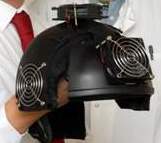
Eye-tracking device measures severity of concussion and brain injury
A novel eye-tracking device can effectively measure the severity of
concussion or brain injury in patients presenting to emergency
departments following head trauma. The simple and objective
diagnostic tool could also be developed for use on the sidelines at
sporting events. 10 Feb 2015
Electrical stimulation restores leg muscle activity for MS sufferer
A 56-year-old MS sufferer in Cork has become the first patient in
Ireland to be fitted with Ottobock's MyGait electrical stimulation
device to regain some use of her ankle muscles. 29 Jan 2015
Fourteen institutes join $27m
initiative to find causes of Sudden Unexpected Death in Epilepsy
A new initiative, called the SUDEP Center Without Walls for
Collaborative Research, is a $27.3 million international effort to
identify the causes of Sudden Unexpected Death in Epilepsy (SUDEP) a
mysterious and deadly phenomenon that strikes people with epilepsy
without warning. 10 Dec 2014
Combined MRI-PET imaging gives
new insights to plaque formation in Alzheimer's disease
Researchers at Tübingen University have used combined PET and
magnetic resonance imaging (MRI) to show that amyloid plaques in
brain blood vessels are associated with a reduced blood flow in mice
with Alzheimer’s-like disease. 18 Nov 2014
Sleep disturbance linked to
Alzheimer's
A 40-year study of older men has found that those
who had sleep disturbances had a higher risk of developing
Alzheimer’s disease. 4 Nov 2014
Plant flavanols reverse
age-related memory decline
Dietary flavanols, a range of
compounds found in certain plants such as cocoa seeds, can reverse
age-related memory decline in healthy older adults, according to a
study led by Columbia University Medical Center (CUMC). 27 Oct 2014
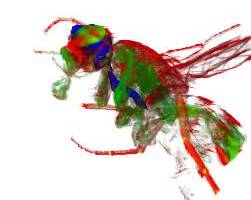
New model gives 3D reconstruction of the brain's memory structures
Researchers at Ruhr-Universitaet-Bochum have developed a new
method for creating 3D models of memory-relevant brain structures.
They published their results in the journal Frontiers in Neuroanatomy.
Scientists at UCL and NTNU
awarded Nobel Prize for discovering brain's positioning system
The 2014 Nobel Prize in Physiology or Medicine has been
awarded to Professor John O’Keefe of University College London and
husband-and-wife team Professors May-Britt Moser and Edvard Moser of
the Norwegian University of Science and Technology. 6 Oct 2014
electroCore to present at
European headache meeting on non-invasive vagus nerve stimulation
therapy for cluster headache
The company will be presenting
full data on their PREVA study, a randomized, multi-centre trial
across several European countries at the EHMTIC meeting in
Copenhaghen. 18 Sept 2014
Medtronic acquires Sapiens
Steering Brain Stimulation for $200m
Medtronic has announced
that it has acquired privately held Dutch company Sapiens Steering
Brain Stimulation for approximately $200 million in an all-cash
transaction. The deal strengthens Medtronic's
capabilities in the modulation of brain function. 2 Sept 2014
Alzheimer's study to look at
link to lifestyle and genetics in 1 million people
A global
study led by Cardiff University will combine multiple
epidemiological studies to explore the relationship between genetics
and lifestyle in the development of Alzheimer’s disease and help
develop personalised treatments.
Injectable pressure sensor detects
full bladders for people suffering neurological disease
A small
pressure sensor developed by SINTEF in Norway can help people suffering from
a neurological disease that affects control of the bladder and can lead to a
life threatening situation. 4 April 2014
Nerve protein in blood shows
extent of brain damage following concussion
Elevated blood
levels of tau, a nerve cell protein, indicates the extent of brain
damage from concussion, according to research at Sahlgrenska Academy
in Sweden. 1 April 2014
DDT exposure linked to
Alzheimer's
A study by UT Southwestern Medical Center has
found that exposure to DDT may lead to Alzheimer’s disease later in
life. 19 Feb 2014
Sheffield patient receives
pioneering kidney treatment for high blood pressure
A patient
at Sheffield Teaching Hospitals NHS Foundation Trust has become one
of the first in the world to have pioneering renal denervation
therapy to reduce high blood pressure. in a kidney patient whose
blood pressure could not be controlled with conventional medication.
4 Feb 2014
Directed ultrasound boosts
brains ability in sensory discrimination
Scientists at
Virginia Tech Carilion Research Institute have demonstrated that
ultrasound directed to a specific region of the human brain can
boost performance in sensory discrimination. 28 Jan 2014
Pre-clinical study shows
prebiotics affect brain chemistry
Prebiotic manufacturer
Clasado and the Department of Psychiatry, University of Oxford have
announced the results of pre-clinical research that demonstrates
prebiotics affect the relationship between the gut and the brain. 28
Jan 2014
New evidence for quantum
vibrations in brain neurons as basis of consciousness
The
recent discovery of quantum vibrations in 'microtubules' inside
brain neurons corroborates a controversial 20-year-old theory of
consciousness , according to Stuart Hameroff and Sir Roger Penrose
in an article in the journal Physics of Life Reviews. 17
Jan 2013
Combining imaging and
assessment can predict Alzheimer's two years in advance
A combination of brain analysis
by MRI with a neuropsychological
assessment can accurately predict whether people with mild cognitive impairment
get Alzheimer's disease within two years. 18 Dec 2013
MRI mapping of nerve fibres
helps brain surgeons preserve brain function
A novel
technique for interpreting MRI scan data produces images of the
brain’s nerve network that can guide neurosurgeons to preserve
critical brain functions such as vision, speech and memory. 24 Nov
2013
Vagus nerve stimulation via
implant improves tinnitus
A small clinical trial has found
that treating tinnitus using vagus nerve stimulation-tone therapy is
safe and brought significant improvement to some of the
participants. 21 Nov 2013
3D video game helps restore muscle function in stroke patients
Researchers at The Ohio State University Wexner Medical Center
have developed a video game so that stroke patients with muscle
weakness can have therapy at home to build strength in the affected
hand or arm. 18 Nov 2013
Laser treatment could cure
Alzheimer's
Researchers at Chalmers University of Technology
in Sweden and the Polish Wroclaw University of Technology, have
discovered a technique to distinguish disease-causing proteins in
the brain from normal proteins using lasers. 8 Nov 2013
High blood sugar combined with
Alzheimer's causes brain damage
High blood-sugar levels
damage blood vessels in the brain of Alzheimer's sufferers according
to a study at Tulane University published in the Journal of
Alzheimer's Disease. 31 Oct 2013
New compound halts Alzheimer's
in mice
Researchers at the University of Leicester have
discovered an oral treatment that blocks the process causing brain
cell death in neurodegenerative diseases such as Alhzheimer's. 10
Oct 2013
Serious delays in diagnosis of
Alzheimer’s, Parkinson’s and MS
Most patients with
Alzheimer’s, Parkinson’s and multiple sclerosis are facing
unacceptable delays in diagnosis in Europe, according to research
carried out by GE Healthcare. 26 September 2013
3D-printed tubular pump provides alternative to heart transplant
A custom-designed tubular pump for implanting into the aortic
artery to support a failing heart is being developed by researchers
at Nottingham Trent University and Nottingham University Hospitals
NHS Trust. 11 Sept 2013
Skuldtech secures €1m to develop blood
biomarker test for Alzheimer's disease
French biotechnology company
Skuldtech has secured €1m in funding from Bpifrance (French public financing
structure) to develop a blood biomarker test for Alzheimer's disease. 11
Sept 2013
Spermidine prevents dementia
in fruit flies
Feeding fruit flies with the natural cell
component spermidine prevents memory impairment, according to
research conducted by Freie Universität Berlin and the University of
Graz. 1 Sept 2013
Link found between Crohn's disease and
RNA enterovirus
A study of a small group of children in Sweden has
found a new link between Crohn's disease and an RNA virus that is known to
infect the mucosal lining of the intestine. 17 July 2013
Cerus Endovascular secures
£600,000 for device to treat brain aneurysms
Cerus
Endovascular Ltd has secured investment from The North West Fund for
Biomedical to further develop its implantable medical device for
treating intracranial aneurysms. 21 May 2013
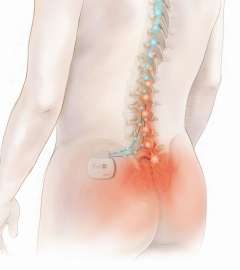
Novel pain therapy system
manages patients with chronic neuropathic pain
A study
investigating the safety and performance of Spinal Modulation Inc's
Axium Spinal Cord Stimulator System has shown that after six months
of treatment patients reported clinically significant pain relief.
21 May 2013
Trigger for onset of Alzheimer's
discovered
The chemical changes in the brain that are at the root of
diseases such as Alzheimer’s have been mapped in detail for the first time
by scientists at the Chemistry Department of Cambridge University. 20 May
2013
New insight on brain cell metabolism
during onset of Alzheimer's
Researchers from Karolinska Institutet in
Sweden have shown, for the first time, how important parts of the nerve cell
that are involved in the cell’s energy metabolism operate in the early
stages of Alzheimer’s disease. 23 April 2013
Common antihistamine could be
treatment for prion diseases
Scientists from the Scripps Research
Institute (TSRI) in Florida have identified a pair of drugs already
approved for human use that show anti-prion activity. 23 Apr 2013
Miniature LED implant shines light on
workings of mouse brain
A miniature electronic device with LEDs the
size of neurons, when implanted in the brain of a genetically altered mouse
can stimulate the release of dopamine, a chemical associated with pleasure.
23 April 2013
New probes for connecting with the brain
An international project, NeuroSeeker, aims to develop new probes
to measure and analyse signals from individual neurons in the brain.
8 Mar 2013
ASA recommends 60-minute limit
for door-to-needle time for stroke sufferers
People having an
ischemic stroke should receive clot-dissolving therapy, if
appropriate, within 60 minutes of arriving at the hospital,
according to new American Stroke Association guidelines. 7 Feb 2013
Hormone produced by moderate
exercise could delay onset of Alzheimer's
The discovery, by a
team at Nottingham University, may also explain why people who are
susceptible to stress are at more risk of developing the disease. 5
Feb 2013
Undetected stroke could cause
Parkinson's disease
Small strokes that show no outward
symptoms could cause enough damage to the brain to give Parkinson's
disease, according to scientists at the University of Manchester. 20
Dec 2012
Diabetes drug may reduce brain
damage after stroke
A common antidiabetic drug is a new
potential therapy to reduce brain damage following stroke in type 2
diabetic patients, according to a study in mice. 5 Dec 2012
New biomaterials can promote
regeneration of brain tissue after injury and disease damage
This allows the generation, within these structures, of new neurons
and glia, capable of repairing injured brain tissue caused by
trauma, stroke or neurodegenerative disease, among other causes. 3
Dec 2012
National brain
injury service directory launched in UK
BrainNav will provide users with a national directory of
rehabilitation centres, cognitive therapists, clinics, and other
specialist facilities, to help support both them and their carers,
and ultimately assist in their recovery process. 30 Nov 2012
Exercise is the best way to keep
the brain healthy in old age
People who exercise later in
life may better protect their brain from age-related changes than
those who do not, MRI scans of the brain shows. 26 Oct 2012
Intermittent binge drinking
causes significant brain damage and alcoholism
Scientists at
The Scripps Research Institute found signs of cognitive impairment
similar to that seen in established alcoholism after only a few
months of intermittent binge drinking. 16 Oct 2012
High-definition fibre
tractography is new tool for brain imaging
High-definition
fibre tractography (HDFT) can trace the course of nerve fibre
connections within the brain with more accuracy and give a greater
understanding of the brain's functional networks. 18 Sept 2012
Diabetes drug could boost memory and
help Alzheimer's sufferers
A drug given to diabetes sufferers to
control their response to sugar stimulates cell growth in the hippocampus, a
part of the brain involved in memory. 17 Sept 2012
Boston Scientific's
Precision Plus spinal cord stimulator gains CE mark
The
company's Precision Plus spinal cord stimulator (SCS) System for
peripheral nerve stimulation for patients with chronic intractable
pain of the trunk has received EU approval. 13 Sept 2012
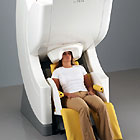
Combining MEG and MRI maps
brain electrical activity with high accuracy
Aalto University
has developed the world’s first device designed for mapping the
human brain that combines whole-head magnetoencephalography (MEG)
and magnetic resonance imaging (MRI) technology. 15 Aug 2012
Tracking real-time
chemical changes in brain aids treatment of Parkinson's
A
novel way to monitor real-time chemical changes in the brains of
patients undergoing deep brain stimulation (DBS) has been developed
at Mayo Clinic in the US. 15 Aug 2012
EyeBrain researchers move into
Brain and Spine Institute
The aim is to foster scientific
exchange with ICM researchers and speed up the development of
clinical research tools for neurological diseases. 16 July 2012
Chronic inflammation in the brain is
precursor to Alzheimer's
Chronic inflammation from infection can
predispose the brain to develop Alzheimer’s disease later in life, according
to Swiss researchers. 11 July 2012
Miniature magnetic sensor
opens new era for neurology
A new type of magnetic field
sensor, called a chip-scale atomic magnetometer (CSAM), uses
miniaturized optics for measuring absorption changes in a rubidium
gas cell caused by magnetic fields. 12 June 2012
MIRSURG project develops
table-top laser for minimally invasive brain surgery
The
solid-state laser system emits short pulses exactly at 6.45 microns
with a repetition rate of 100-200 Hz. It that can cut brain tissue
with unprecedented precision and greatly reduced collateral damage.
31 May 2012
IET AF Harvey
prize lecture on controlling brain circuits with light
Professor Ed Boyden of the MIT Media Lab and the MIT McGovern
Institute will be presenting the Institution of Engineering and
Technology AF Harvey Prize lecture on 19 June. 17 May 2012
Key cellular
mechanisms behind the onset of tinnitus identified
Research
into hearing loss after exposure to loud noises could lead to the
first drug treatments to prevent the development of tinnitus. 16 May
2012
New type of
stem cell found in the brain
Researchers at Lund University
in Sweden have discovered a new stem cell in the adult brain. These
cells can proliferate and form several different cell types
including new brain cells. 30 April 2012
DiaGenic and GE
Healthcare to develop blood-based test for early Alzheimer's
The blood-based test will use DiaGenic’s peripheral gene expression
profiling in patients with mild cognitive impairment, a disorder
associated with risk for Alzheimer’s Disease. 30 Apr 2012
Induced hypothermia protects
the brain following stroke
Inducing mild hypothermia can
reduce the side effects of treatment for blood clot in the brain
following a stroke. 8 Mar 2012
European neurodegenerative disease
research strategy launched
The EU Joint Programme in
Neurodegenerative Disease Research (JPND) is the first of the
European Joint Programming initiatives which are designed to address
the ‘grand challenges’ facing EU society. 9 Feb 2012
Measuring brain activity in
infants can give early indication of autism
Infants as young
as six months can show signs of autism in their brain activity,
according to new research conducted at the Centre for Brain and
Cognitive Development, Birkbeck, University of London. 27 January
2012
MindFrame awarded
third patent for Capture LP thrombectomy technology
The
company's technology is used to treat ischemic stroke therapy, in
which rapid flow restoration and clot retrieval is essential to
prevent irreversible deterioration of brain function. 19 Jan 2012
New decision-support tool
provides earlier diagnosis in Alzheimer’s disease
The VTT
Technical Research Centre of Finland has developed a decision
support tool for objective diagnostics of Alzheimer’s disease as
part of the European PredictAD project. 13 Jan 2012
Alzheimer’s disease produces
chemical markers years before symptoms show
These indicators
can be analysed by a simple biochemical analysis of a blood serum
and used to complement a neurocognitive assessment by a doctor. 18 Dec 2011
EyeBrain’s eye-tracker
used in study of levodopa treatment for Parkinson's
EyeBrain
Tracker is being used in a clinical trial studying the dyskinesia
induced by treating patients suffering from idiopathic Parkinson’s
disease with levodopa. 18 Dec 2011
Feature: Inner cooling reduces heart and brain damage after MI, cardiac arrest and stroke
The Philips Inner Cool RTx system provides a rapid method of cooling the body from the inside. The RTx system cools or warms patients with a unique integrated temperature sensor catheter that circulates temperature-controlled fluid within the catheter and adjusts the temperature of the blood near the heart. 17 Dec 2011
New findings contradict plaque
formation as cause of Alzheimer’s disease
The new study
suggests that it is the neurons’ inability to secrete beta-amyloid
that is at the heart of pathogenesis in Alzheimer’s disease. 3 Nov
2011
Cerebrospinal fluid is key to early
diagnosis of different types of dementia
Different forms of
dementia leave different biochemical fingerprints in the
cerebrospinal fluid before any clinical symptoms emerge, researchers
at the Sahlgrenska Academy in Sweden have discovered. 11 Oct 2011
Brain stents increase risk of stroke
and death
Stents inserted in arteries in the brain to reduce
to reduce the high risk of repeat strokes have been found instead to
significantly increase strokes and deaths. 21 Sept 2011
St Jude gains CE mark for
implanted neurostimulation device for migraine
St. Jude
Medical, Inc. has received approval for its Genesis implanted PNS
device for patients with intractable chronic migraine. 12 Sept 2011
Neurons created from skin
cells give hope for Alzheimer's treatment
Columbia University
Medical Center researchers have for the first time directly
converted human skin cells into functional forebrain neurons,
without the need for stem cells of any kind. 19 August 2011
Pipeline embolization device
gives new hope for treating complex brain aneurysms
PED gives
doctors the ability for the first time to treat some of the most
complex and dangerous brain aneurysms using minimally invasive
techniques. 4 July 2011
Nasally delivered stem cell
treatment for Parkinson’s improves motor control
Stem cells,
delivered intranasally, have been found to substantially improve
motor function in Parkinson’s disease. 21 Feb 2011
Deep brain stimulation shows promise for treating deep depression
Electrical stimulation of targeted areas in the brain has
shown promise for treating patients with the most severe form
of depression. 16 Feb 2011
First 3-D map of invertebrate
nervous system
A team of neurobiologists from the University
of Freiburg has created the first complete map of all axons that use
dopamine as a messenger in a vertebrate, in this case a Zebra fish.
14 Feb 2011
 Computer-based therapy gives dramatic improvement
to stroke-based
blindness Computer-based therapy gives dramatic improvement
to stroke-based
blindness
NovaVision has found that nearly 90% of patients using
its therapy cited
at least one improvement in functionality and 88% noted a considerable improvement in
overall quality of life. 7 Feb 2011
EyeBrain launches eye-tracking device for diagnosis of
Parkinson-plus diseases
The device offers early diagnosis for a
number of neurological diseases based on eye movements of patients,
is non-invasive and costs less than regularly used imaging
techniques such as MRI. 7 Feb 2011
GE presents data on
Flutemetamol PET imaging agent to detect amyloid plaques
New
clinical research data suggests that [18F] Flutemetamol could add
value to current diagnostic tools used to provide accurate
identification of beta amyloid plaques in the brain. 31 Jan 2011
Underlying cause of Alzheimer's found
and new treatments identified
Alzheimer's disease is a disease of
synapses and treatments that target this can virtually eliminate other
characteristics of the disease, according to a study by the Blanchette
Rockefeller Neurosciences Institute. 31 Jan 2011
Boston Scientific acquires
deep brain stimulation company Intelect Medical
Boston
Scientific is paying $60m for the company which is developing the
GUIDE DBS programming system, a system to enable clinicians to
visualize stimulation fields in the brain and provide more precise
targeting of therapy. 13 Jan 2011
Colour changing crystals
indicate potential brain injury from bomb blast
Photonic
crystals that change colour on exposure to the blast from an
explosion could be used to indicate the potential brain damage to
people nearby. 10 Dec 2010
Biological clock affected by season of
birth
The season in which babies are born can have a dramatic
and persistent effect on how their biological clocks function. It
may help explain the fact that people born in winter months have a
higher risk of a number of neurological disorders. 9 Dec 2010
Boston Scientific to sell
neurovascular business to Stryker for US$1.5bn
The business
employs approximately 1,150 people and reported 2009 revenues of
US$348 million.
Tissuemed surgical film improves brain
surgery outcomes
A study carried out by neurosurgeons at the
University of Padova has found that a surgical film developed by
Leeds based Tissuemed prevented cerebrospinal fluid leakage
following brain surgery. 9 Nov 2010
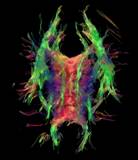 Software
to convert MRI scans of brain into three-dimensional maps of nerves Software
to convert MRI scans of brain into three-dimensional maps of nerves
A team of researchers at the Eindhoven University of Technology has
developed a software tool that converts MRI scans of the brain into
three-dimensional coloured images of nerve structure. making this
visible for the first time without having to operate (includes video). 3 Nov 2010
St Jude gains Japanese
approval for spinal cord stimulation system
St Jude Medical,
Inc. (NYSE:STJ) has received Japanese approval to market its Eon
Mini spinal cord stimulation (SCS) system in the country. 1 Oct 2010
Non-pharmacological therapies
as effective as drugs for Alzheimer's disease
An
international study has for the first time produced strong evidence
for the effectiveness of non-pharmacological therapies in improving
the lives of Alzheimer's sufferers. 23 Sept 2010
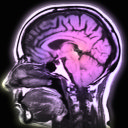 Brain
scan detects autism in 15 minutes Brain
scan detects autism in 15 minutes
A new technique can
identify autism from MRI scans of the brain in just 15 minutes.
Tested so far only in adults, it can identify autism with over 90%
accuracy. 11 August 2010
Bee venom toxin leads to new
treatment for dementia
Apamin, a toxin found in bee venom
that blocks a type of ion channel in the human nervous system, has
potential for developing new treatments for neural conditions such
as muscular dystrophy, depression and dementia. 12 July 2010
Link found between surgery and
Creutzfeldt-Jakob disease
A causal relationship between the onset of
Creutzfeldt-Jakob disease (CJD) and general surgery has been found by
analysing decades of Danish and Swedish electronic patient records. 12 July
2010
Falls in elderly linked to
high blood pressure and blood flow in brain
Falls in elderly
people are higher in those with high blood pressure and an inability
of the brain blood supply to respond adequately to changing
conditions. It shows that basic treatment and exercise could reduce
the high numbers of falls and admissions to hospital. 24 May 2010
First EU Joint Programming
initiative to tackle Alzheimer’s and Parkinson's disease
Leading researchers from across Europe gathered in Stockholm last
week to develop a European-wide research strategy to tackle
neurodegenerative diseases such as Alzheimer’s and Parkinson’s
Disease. 20 April 2010
New support programme for
Alzheimer's disease sufferers in Europe
A new support
programme for patients and carers, called Memory Problems? was
launched at the Alzheimer’s Disease International (ADI) Conference
this month. 26 March 2010
Faster stroke treatment with
application for imaging of blood flow in brain
Siemens
Healthcare has developed a new software application that enables the
visualisation of parenchymal blood flow during minimally invasive
interventions in the brain for the first time. 22 Feb 2010
Brain research finds new
appetite-suppressing nutrient
A vitamin-like nutrient called citicoline could be the next weapon in
the battle against the obesity epidemic in developed countries. 21 Jan
2010
Mobile phone use may prevent and
reverse Alzheimer’s disease
A study with mice has provided the first evidence that long-term
exposure to electromagnetic waves associated with mobile phone use may
actually protect against, and even reverse, Alzheimer’s disease. 14 Jan
2010
Nexstim’s navigated brain
stimulation for neurosurgery planning receives FDA approval
Nexstim Oy, a medical device company has received US FDA appproval for
its navigated brain stimulation system for use in the assessment of the
primary motor cortex for pre-procedural planning. 17 Dec 2009
First patient in China implanted
with rechargeable neurostimulator for chronic pain
A 62-year-old man from Shenzhen, Guangdong province has become the first
patient in China to be implanted with St Jude Medical's Eon
neurostimulator, a rechargeable device used to help manage chronic pain.
17 Dec 2009
Mathematical modelling enables
faster development of electrical stimulation devices customised for
patients
The Cleveland FES Center in the US has used model-based design tools to
develop technology that more quickly restores movement to individuals
with neuromuscular disabilities. 13 Oct 2009
Medtronic launches intraoperative
nerve integrity monitors for surgeons
During minimally invasive or traditional open surgery them monitors
enable surgeons to identify and confirm motor nerve function and monitor
major motor nerves throughout the body, such as cranial nerves in a
patient’s head, face and neck. 9 Oct 2009
Electrical nerve stimulation could
complement medicinal pain management
A recent study on the short-term effects of high and low-frequency
transcutaneous electrical nerve stimulation (TENS) on neuropathic pain
following spinal chord injury showed that a significant amount of
patients can gain benefit from treatment. 5 October 2009
Sigma-Aldrich receives award from
The Michael J Fox Foundation to develop clinical research models for
Parkinson's disease
Sigma-Aldrich and The Michael J. Fox Foundation have announced a
collaboration that is expected to develop more accurate preclinical
research models of Parkinson’s disease based on the company's novel
CompoZr zinc finger nuclease (ZFN) technology. 2 Oct 2009
Functioning model of human brain
could be built within 10 years
A model that replicates the functions of the human brain is feasible in
10 years, according to neuroscientist Professor Henry Markram of the
Brain Mind Institute in Switzerland. 21 Sept 2009
First patient implanted with St
Jude's Brio neurostimulator
St. Jude Medical, Inc. has announced the first implant of the Brio
neurostimulator and the EU approval of the device, which it claims is
the world’s smallest, longest-lasting rechargeable deep brain
stimulation (DBS) device for treating the symptoms of Parkinson’s
disease. 10 Sept 2009
NeuroLogica announces FDA clearance
for inSPira HD: portable high resolution SPECT
The inSPira HD is a battery-powered, high resolution, portable SPECT
designed primarily for brain imaging. 5 Sept 2009
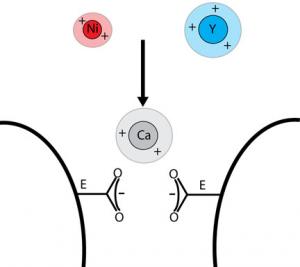 Cause
of neurological interference by carbon nanotubes discovered Cause
of neurological interference by carbon nanotubes discovered
A team of Brown University researchers in the US has found that the
cause is the metal catalysts used to form the tubes, especially the
metal yttrium. 1 September 2009
Ichor awarded US$3.3m grant to develop
DNA-based Alzheimer’s disease vaccine
Ichor Medical Systems of San Diego has been awarded the grant from the US
National Institute of Neurological Disorders and Stroke (NINDS) for
development of the vaccine and studies required to support eventual
initiation of human clinical testing. 20 August 2009
Alzheimer's risk shown by cerebrospinal
fluid proteins
A combination of proteins in the cerebrospinal fluid can reliably identify
which patients with early symptoms of dementia will subsequently develop
full-blown Alzheimer's disease, according to an international study. 20
August 2009
Formal education lessens impact of
Alzheimer’s disease
Researchers at the Department of Psychiatry, Klinikum rechts der Isar,
Technische Universität München have shown that education diminishes the
impact of Alzheimer’s disease on cognition even if a manifest brain volume
loss has already occurred. 20 August 2009
Brain's mechanism for understanding
words and pictures discovered
For the first time, scientists studying the brain have worked out how
words and pictures paint concepts in our minds. The results are important for understanding how perception and memory
formation occurs. 7 August 2009
Reading brain signals without inserting
electrodes
A University of Utah study shows that brain signals controlling arm
movements can be detected accurately using new microelectrodes that sit on
the brain but don’t penetrate it. 8 July 2009
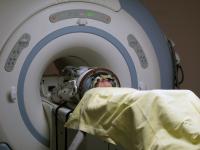 Non-invasive
neurosurgery with focused ultrasound a world first Non-invasive
neurosurgery with focused ultrasound a world first
Ten patients in Zurich, Switzerland, have successfully been given brain
surgery using focused ultrasound to kill tumour cells without cutting open
the skull.
BRNI and Inverness Medical Innovations to
develop commercial skin test to detect early Alzheimer's disease
The Blanchette Rockefeller Neurosciences Institute (BRNI) and Inverness
Medical Innovations, Inc. (Inverness, NYSE:IMA) have announced that they
will work together to further develop and commercialize a diagnostic test
for Alzheimer's disease first discovered by scientists at BRNI. 18 June 2009
Deep brain stimulation improves symptoms
of patients with depression
According to the latest data in a clinical study supported by St Jude
Medical, Inc., deep brain stimulation therapy for depression may provide
sustainable improvement in depression symptoms among patients with major
depressive disorder. 10 June 2009
New peptide indicates Alzheimer's disease
before brain is damaged
Researchers at Osaka University in Japan have discovered a peptide in
cerebrospinal fluid (CSF) that can show whether a person is developing
Alzheimer's disease. Measuring the level of this peptide could show that the
disease process has started, long before any serious damage is done to the
brain and allow early treatment. 10 June 2009
New rapid cognitive screening test could
help diagnose early Alzheimer's
A new cognitive test for detecting Alzheimer's disease is quicker and more
accurate than many current tests, and could help diagnose early dementia,
according to researchers at Addenbrooke's Hospital in Cambridge. 10 June
2009
Connections between diabetes and
Alzheimer’s disease explored
Numerous epidemiological studies have described the incidence of both
Alzheimer’s disease and type 2 diabetes in the Western world and extensively
defined common environmental risk factors. In a special issue of the
Journal of Alzheimer’s Disease (April 2009), nineteen contributions
examine the possible connections between AD and T2D. 28 May 2009
Dementia in Clinical Practice — a new book
Dementia in Clinical Practice summarizes
the most recent advances in the field and provides an updated view of
the disorders likely to be encountered in daily practice. 11 May 2009
Autism genes discovery suggests biological
reasons for altered neural development
A research team has connected more of the intricate pieces of the autism
puzzle, with two studies that identify genes with important contributions to
the disorder. 8 May 2009
Commonly used ulcer drugs may offer
treatment potential in Alzheimer’s Disease
Scientists at the University of British Columbia have discovered that drugs
commonly used to treat ulcers have significant neuroprotective properties,
which appear to be enhanced when used in combination with ibuprofen, a
widely used anti-inflammatory drug. 24 April 2009
IMEC paves way for multi-electrode
deep-brain stimulation
The Belgium-based Interuniversity Microelectronics Centre (IMEC) has
presented a new design strategy for brain implants, which it used to create
a prototype multi-electrode stimulation and recording probe for deep-brain
stimulation. 24 April 2009
Rigorous visual training teaches brain to
see again after stroke
By doing a set of vigorous visual exercises on a computer every day for
several months, patients who had gone partially blind as a result of
suffering a stroke were able to regain some vision. 22 April 2009
First European implants of St Jude
Medical's deep brain stimulation system for Parkinson’s Disease. 27
March 2009
23andMe launches Parkinson's disease
community for genetics research
23andMe Inc has launched a Parkinson's disease genetics initiative in
collaboration with The US Parkinson's Institute and Clinical Center (PI) and
The Michael J Fox Foundation (MJFF) and with funding from Google co-founder
Sergey Brin. 23 March 2009
Magnetic resonance imaging shows what
people store in short-term memory
Functional magnetic resonance imaging (fMRI), can show what information
people are holding in memory based only on patterns of activity in the
brain. By analyzing blood-flow activity researcher were able to identify the
specific colour or orientation of an object that was intentionally stored by
the observer. 15 March 2009
St Jude Medical receives EU approval for
neurostimulation system for chronic angina
St Jude Medical's Genesis neurostimulation system is for managing a form of
chest pain known as chronic angina pectoris, or chronic angina. It helps to
control angina pain by sending mild pulses of electricity from a device
implanted in the torso to nerves located along the spinal cord. 12 March
2009
Novel way to stimulate immune system
reduces amyloid deposits in mice with Alzheimer’s
A novel way to stimulate the immune system of mice with Alzheimer's disease
(AD) led to reduced amyloid deposits and the prevention of Alzheimer's
disease related pathology without causing toxic side effects. 22 February
2009
Training the brain to avoid falls
Training people to avoid falls by repeatedly exposing them to unstable
situations in the laboratory helped them to later maintain their balance on
a slippery floor. The research could eventually help people, including the
elderly, for whom falling is an important health issue. 21 February 2009
Brain region controlling sociability
identified
A combination of functional magnetic resonance imaging (fMRI) and
measurement of brain electrical activity in a study of brain function has
enabled researchers to trace sociability to the amygdala region of the
brain. 9 February 2009
BioGenes designated partner in EU-funded
dementia project
BioGenes GmbH has been chosen as a new partner of cNEUPRO. an EU-funded
research project to analyse neurodegenerative diseases and discover novel
biomarkers. 4 February 2009
St Jude's Libra deep brain stimulation
systems for Parkinson’s disease gains EU approval
St Jude Medical has received the European CE Mark approval for its Libra and
LibraXP deep brain stimulation (DBS) systems, the company's first products
in the DBS market. 31 January 2009
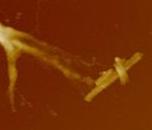 Nanotubes
for treating neurodegenerative disorders Nanotubes
for treating neurodegenerative disorders
Magnetic nanotubes combined with nerve growth factor can enable specific
cells to differentiate into neurons, according to electrical engineering
researchers at the University of Arkansas. 25 January 2009
|
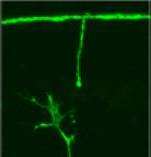 Worm
gene gives hope for restoring injured nerves
Worm
gene gives hope for restoring injured nerves